





What's Happening?
The Philippines is actively evolving its water programs to integrate climate-smart resilience in response to increasing climate variability and extreme weather events. The Climate Change Act mandates the incorporation of adaptation strategies into all
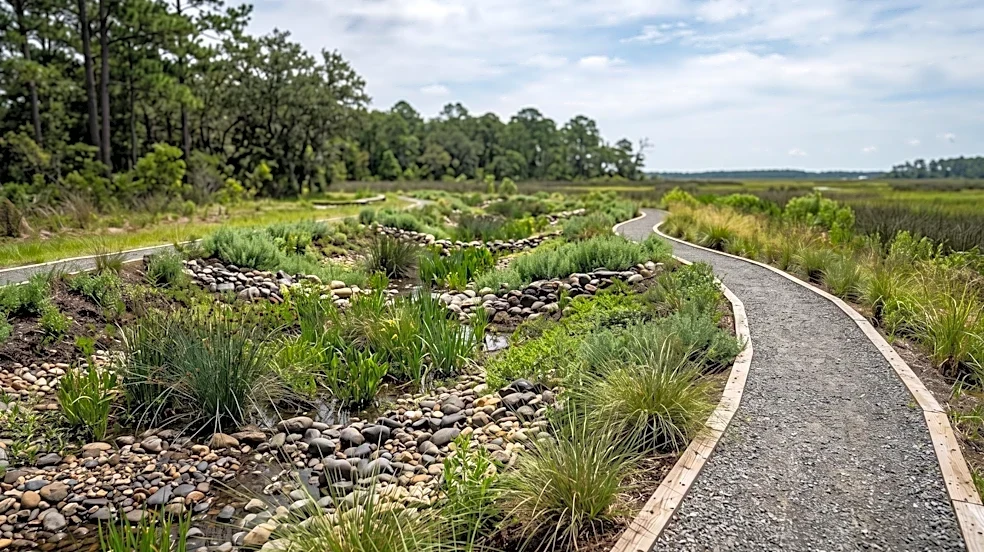
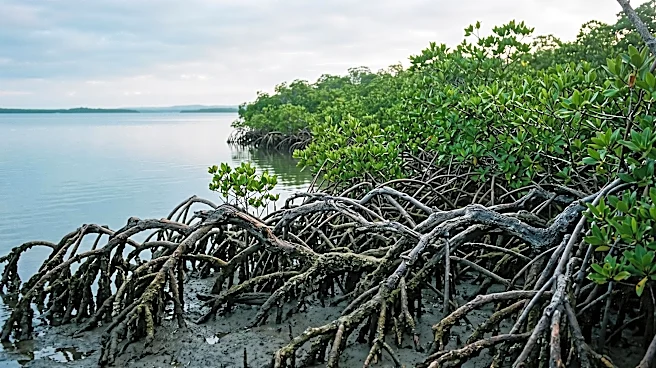
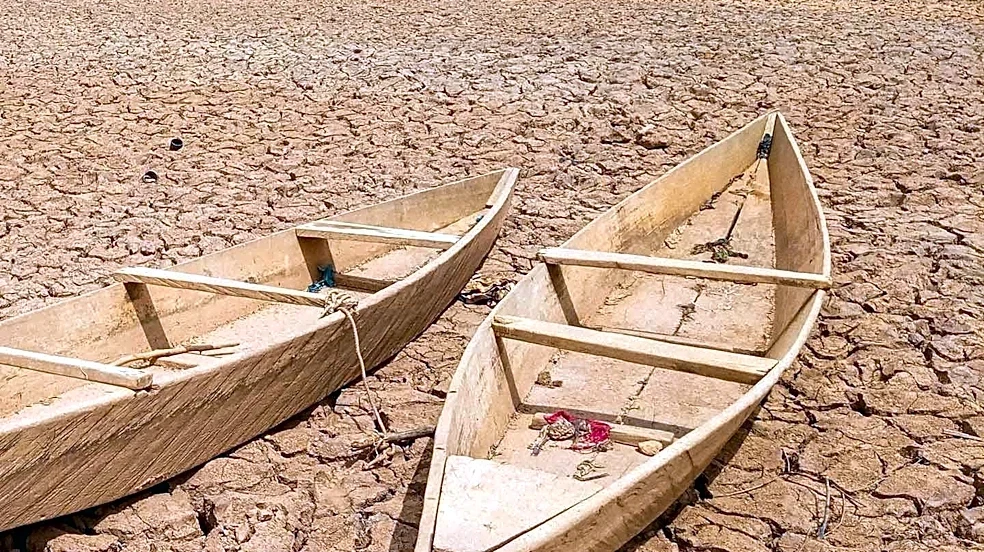
phases of water planning, from catchment management to urban drainage. Key innovations include real-time hydrometeorological early warning systems, which facilitate preemptive reservoir releases and flood preparedness. The country experiences highly erratic rainfall patterns, with seasonal monsoons leading to both severe droughts and violent floods, impacting agriculture, domestic use, and industrial activities. Annual rainfall variability often exceeds 30% in many regions, directly influencing the frequency of these extreme events. Nature-based solutions, such as mangrove rehabilitation in coastal zones, are being implemented to buffer storm surges and recharge aquifers. Additionally, public-private partnerships are funding climate-resilient water storage and treatment facilities, particularly in high-risk urban corridors. Dr. Maria Exceed, an environmental engineer at the University of the Philippines, emphasizes that new water infrastructure must anticipate future extremes, relying on smart monitoring, adaptive design, and community collaboration for durability.
Why It's Important?
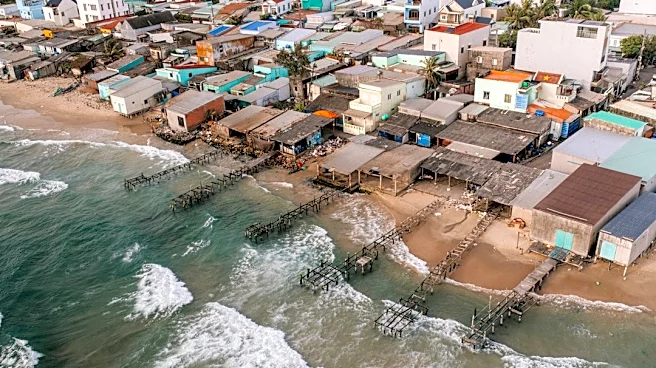
The Philippines' proactive approach to climate-smart water management is crucial for safeguarding its economy and population from the escalating impacts of climate change. The country's vulnerability to typhoons, prolonged dry spells, and rising sea levels poses significant threats to its agricultural sector, which is a cornerstone of its economy, as well as to its water resources essential for domestic and industrial use. By investing in early warning systems and nature-based solutions, the Philippines aims to mitigate economic losses and protect livelihoods. The integration of adaptation into water planning ensures that infrastructure development is not only responsive to current needs but also resilient to future climatic shocks. This shift from reactive disaster response to proactive risk reduction is vital for long-term sustainability and stability, potentially serving as a model for other nations facing similar climate challenges. The involvement of public-private partnerships also highlights a collaborative effort to address these complex issues, distributing the financial and operational burden while fostering innovation.
What's Next?
The Philippines will continue to implement and expand its climate-smart water programs, with a focus on integrating adaptation into every phase of water planning. This includes further development of real-time hydrometeorological early warning systems to enhance flood preparedness and optimize reservoir management. The country is expected to scale up nature-based solutions, such as mangrove rehabilitation, to strengthen coastal resilience against storm surges and improve aquifer recharge. Public-private partnerships will likely play an increasingly significant role in funding and developing climate-resilient water infrastructure, especially in vulnerable urban areas. The National Water Plan (NWP) 2023–2028 sets targets to reduce water losses, improve service coverage, and scale climate-resilient infrastructure across key river basins, indicating a sustained commitment to these initiatives. Continued emphasis will be placed on smart monitoring, adaptive design, and community collaboration to ensure the durability and effectiveness of these water management strategies in the face of ongoing climate uncertainty.
Beyond the Headlines
The Philippines' commitment to climate-smart water programs reflects a deeper understanding of the interconnectedness between environmental health, economic stability, and social equity. The emphasis on community collaboration and decentralized management acknowledges that top-down solutions alone are insufficient for addressing systemic water inequities. This approach fosters local ownership and ensures that interventions are tailored to regional hydrology and socio-economic realities, promoting a more inclusive and sustainable development model. The ethical dimension of ensuring equitable access to water, especially for vulnerable communities, is implicitly addressed through these initiatives. Furthermore, the adoption of nature-based solutions like mangrove rehabilitation highlights a shift towards ecological engineering, recognizing the intrinsic value of natural ecosystems in providing critical protective services. This holistic strategy not only aims to mitigate the physical impacts of climate change but also seeks to build social capital and empower local populations, fostering a more resilient and adaptive society in the long run.