






What's Happening?
Datuk Jamawi Jaafar, the state Agriculture, Fisheries and Food Industries Minister in Sabah, has emphasized the critical need to involve more young people in the agriculture and livestock industries. He noted that the current workforce in these sectors
is aging, necessitating concerted efforts to attract the younger generation to ensure sustainability and continuity. Jamawi highlighted the importance of creating 'pull factors' and providing adequate training to encourage youth participation. He specifically mentioned the significance of programs like the Agriculture Basic Certificate course, which aims to educate young individuals about the industry and spark their interest. These training initiatives are designed to help participants understand the sector better, connect with experienced professionals, and develop their talents in specific agricultural areas. Jamawi underscored that agriculture and livestock cultivation are developing sectors in Sabah with substantial potential for both domestic and international growth, provided they receive appropriate exposure, support, and encouragement.
Why It's Important?
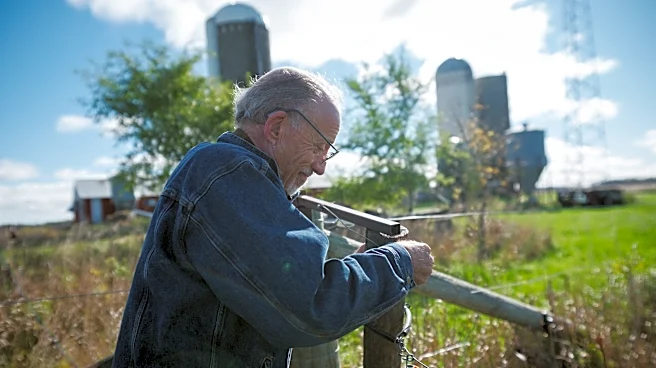
While this news originates from Sabah, its implications resonate with broader U.S. concerns regarding workforce sustainability in critical sectors like agriculture. The U.S. agricultural industry also faces challenges with an aging farmer population and a need to attract younger talent. Jamawi's call for 'pull factors' and training programs could serve as a model or inspiration for U.S. policymakers and agricultural organizations seeking to revitalize their own workforces. Investing in youth education and creating incentives for engagement in agriculture can ensure food security, promote innovation, and maintain economic stability in rural areas. If the U.S. fails to address similar demographic shifts, it could lead to labor shortages, reduced agricultural output, and increased reliance on imported goods, impacting national food supply chains and economic resilience.
What's Next?
Following Datuk Jamawi Jaafar's statements, it is expected that Sabah will continue to implement and expand training programs and initiatives aimed at attracting youth to the agriculture and livestock sectors. These efforts will likely include further development of educational courses, vocational training, and potentially financial incentives or land access programs for young farmers. Stakeholders such as educational institutions, agricultural associations, and government agencies will need to collaborate to create a supportive ecosystem for young entrants. The success of these programs will be measured by increased youth enrollment in agricultural studies, the establishment of new youth-led agricultural enterprises, and a noticeable shift in the demographic profile of the workforce. Continued monitoring and adaptation of these strategies will be crucial to ensure long-term sustainability and growth in Sabah's agricultural and livestock industries.