


What's Happening?
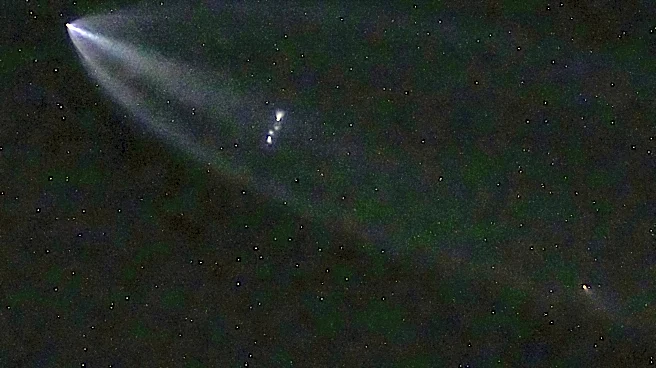
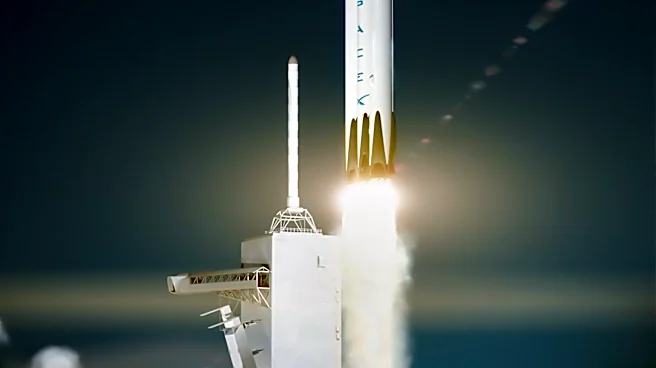
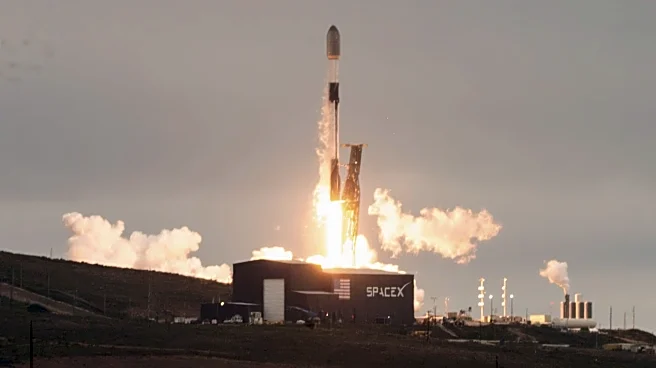
SpaceX is preparing for another Starlink launch, the Starlink 10-39 mission, from Space Launch Complex 40 at Cape Canaveral Space Force Station. The launch window is scheduled to open from 11:19 a.m. ET to 3:19 p.m. ET. However, weather conditions pose
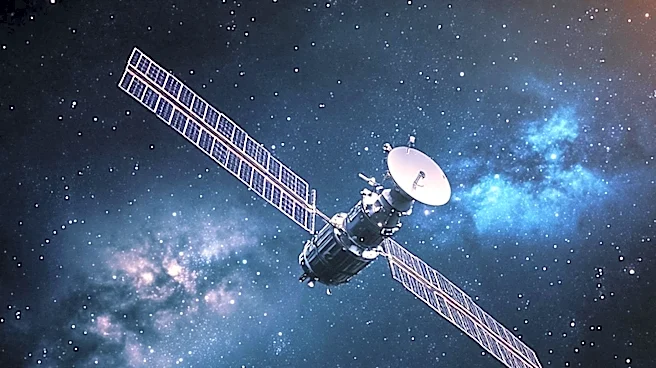
a potential challenge, with the 45th Weather Squadron indicating a 20% to 50% chance of weather being a concern against liftoff. The primary weather worries include cumulus clouds, anvil clouds, and surface electric field rules. This mission marks the 30th for Falcon 9's first-stage booster B1078, which has a history of launching Starlink satellites and one crewed mission to the International Space Station. After stage separation, the first-stage rocket is expected to land on the droneship 'A Shortfall of Gravitas' in the Atlantic Ocean. The mission aims to deploy 29 Starlink satellites into low-Earth orbit to expand internet service globally. Dr. Jonathan McDowell of the Harvard-Smithsonian Center for Astrophysics has been tracking Starlink satellites, noting that prior to this launch, 10,979 were in orbit, with 9,724 in operational orbit.
Why It's Important?
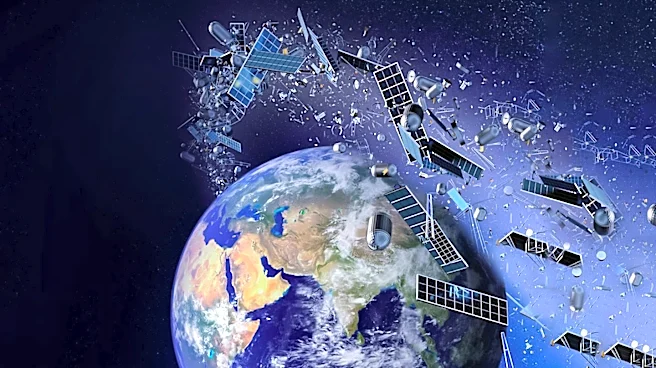
This Starlink launch is significant for several reasons, primarily its contribution to expanding global internet connectivity. The deployment of 29 additional satellites will enhance the Starlink constellation, which aims to provide high-speed, low-latency internet access to underserved and remote areas worldwide. Improved internet access can foster economic development, facilitate education, and enhance communication in regions where traditional infrastructure is lacking. For SpaceX, successful launches reinforce its position as a leading private space company and demonstrate the reliability of its Falcon 9 booster, particularly B1078 reaching its 30th mission. The weather-related concerns highlight the inherent challenges and complexities of space launches, where environmental factors can significantly impact schedules and operations. The continuous expansion of the Starlink network also raises broader discussions about orbital debris and the increasing number of satellites in low-Earth orbit, which could affect astronomical observations and future space missions.
What's Next?
The immediate next step is the launch attempt within the specified window, contingent on favorable weather conditions. If the weather prevents a launch on the scheduled day, SpaceX will likely announce a new launch window. Following a successful launch, the 29 Starlink satellites will undergo a period of deployment and orbital maneuvering to reach their operational positions. The performance of these new satellites will be monitored to ensure they integrate seamlessly into the existing constellation and contribute to the overall network's capacity and coverage. The successful landing of the Falcon 9 first-stage booster on the droneship will be another key event, demonstrating SpaceX's continued commitment to reusability and cost-efficiency in space operations. The ongoing expansion of the Starlink network will continue to be observed by industry analysts and regulators, particularly concerning its impact on global internet markets and space traffic management.
Beyond the Headlines
The continuous deployment of Starlink satellites, exemplified by this mission, underscores a broader shift in global internet infrastructure, moving from terrestrial cables and geostationary satellites to large constellations in low-Earth orbit. This shift has profound implications for digital equity, potentially bridging the digital divide in remote and rural areas. However, it also brings forth complex challenges, including the increasing risk of orbital collisions and the impact of satellite mega-constellations on astronomy, as the sheer number of bright satellites can interfere with ground-based observations. The reusability of rockets, as demonstrated by Falcon 9's B1078, is revolutionizing the economics of space travel, making launches more frequent and less costly, which in turn accelerates the development of new space-based services. This technological advancement is not just about internet access; it's about redefining humanity's presence and capabilities in space, with long-term implications for scientific research, national security, and commercial ventures beyond Earth.