




What's Happening?
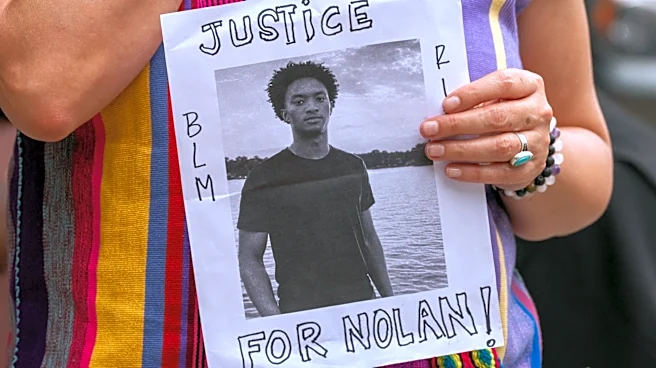
Mississippi Governor Tate Reeves has publicly accused civil rights attorney Ben Crump and Reverend Al Sharpton of exacerbating tensions surrounding the investigation into the death of 18-year-old Nolan Wells. Reeves claims that Crump and Sharpton are
responsible for increasing hostility, as federal authorities investigate threats linked to the case. The governor's comments followed the announcement of preliminary findings from an independent autopsy conducted by Dr. Roger A. Mitchell Jr., which raised new questions about Wells' death. Despite Reeves' accusations, authorities have not publicly connected Crump or Sharpton to any threats, and neither has responded to the governor's remarks. The investigation into Wells' death is ongoing, with federal agents assisting state investigators in addressing threats directed at public officials and potential witnesses.
Why It's Important?
The accusations by Governor Reeves highlight the ongoing tensions and complexities in high-profile cases involving racial dynamics and civil rights advocacy. The involvement of prominent figures like Ben Crump and Al Sharpton often brings national attention and scrutiny, which can influence public perception and the course of investigations. The situation underscores the challenges faced by authorities in managing public interest and ensuring a fair investigation. The outcome of this case could have significant implications for community relations and the handling of similar cases in the future, particularly in how public figures and civil rights leaders engage with legal processes.
What's Next?
As the investigation continues, federal authorities will likely focus on addressing the threats and ensuring the safety of those involved in the case. The findings of the independent autopsy may lead to further inquiries or legal actions, depending on the evidence uncovered. The responses from Crump and Sharpton, if forthcoming, could also shape the narrative and public discourse surrounding the case. Additionally, the handling of this case may influence future interactions between state authorities and civil rights advocates, potentially affecting policy and procedural changes in similar investigations.