




What's Happening?
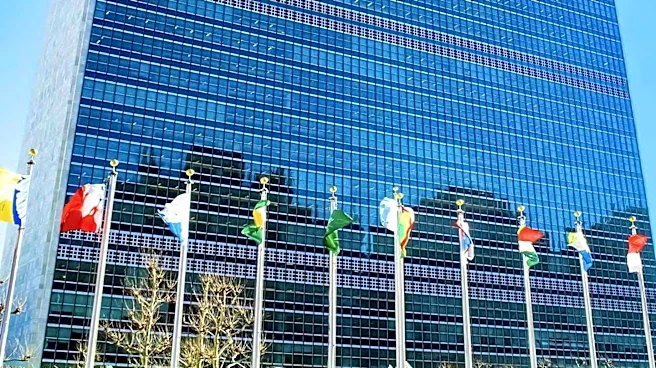
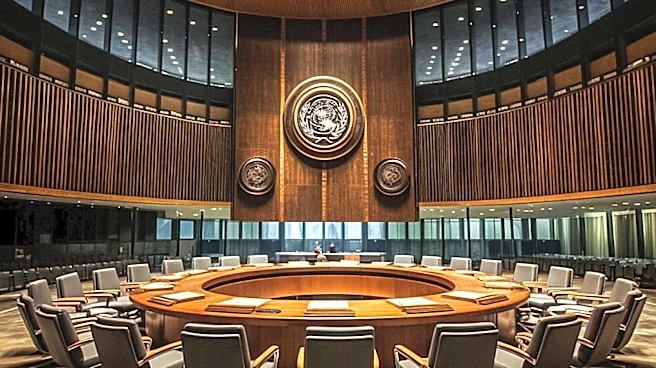
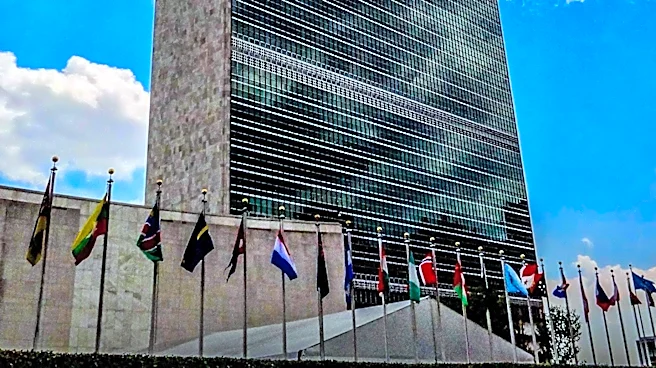
The United Nations, established in 1945 to maintain international peace and prevent armed conflict, is currently facing significant structural weaknesses and challenges posed by great power politics. Despite its successes in peacekeeping, humanitarian
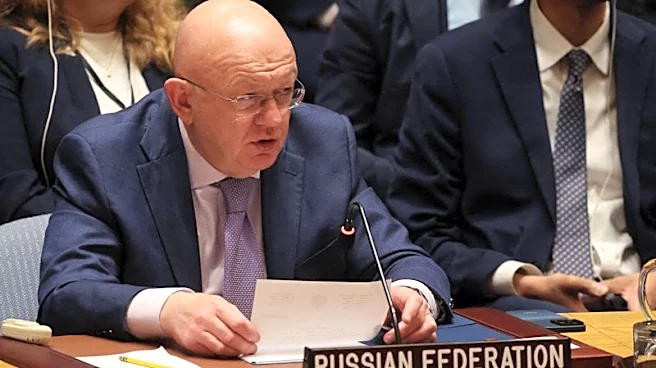
relief, and international development, the UN frequently struggles to halt aggression or resolve major geopolitical crises. Key issues include the dominance of the five permanent members of the Security Council (USA, UK, France, Russia, and China), whose national interests often override global peace efforts. The veto power held by these permanent members frequently blocks critical decisions, especially when a powerful country or its ally is involved. Additionally, the UN lacks an independent military force, relying instead on voluntary troops and resources from member countries, which can lead to delays and weak responses. Political rivalries and a lack of political will among member states further hinder the UN's ability to act cohesively and effectively.
Why It's Important?
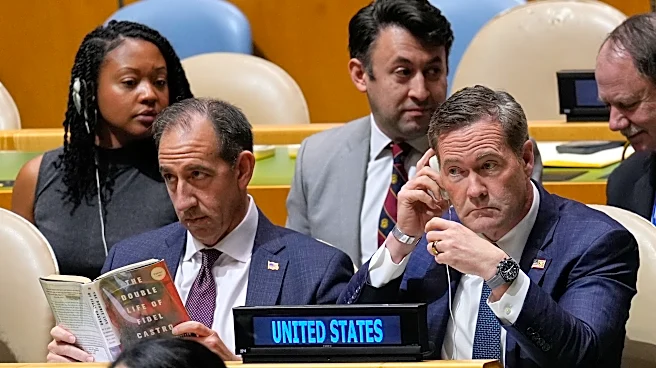
The limitations of the United Nations have profound implications for global stability and the effectiveness of international law. The inability of the UN to consistently enforce resolutions and prevent major conflicts means that the world remains vulnerable to unilateral actions by powerful states and prolonged humanitarian crises. For the U.S., as a permanent member of the Security Council, these structural issues highlight the complex balance between national interests and collective security. When the UN's enforcement power is weak, it can lead to situations where international norms are disregarded, potentially increasing global instability and the need for individual nations, including the U.S., to intervene in conflicts. The lack of equal representation in the Security Council also erodes confidence in the system, particularly among developing nations, which can undermine broader international cooperation on critical issues like climate change and human rights. The financial dependence of the UN on member states further means that delays or non-payment of contributions can weaken its capacity to respond to crises, impacting its humanitarian and development efforts worldwide.
What's Next?
To address its inherent weaknesses, several steps have been proposed to strengthen the United Nations. These include limiting the use of the veto, particularly in cases of genocide and war crimes, and providing peacekeeping missions with clearer mandates, better resources, and sufficient troops. There is also a call for stronger mechanisms to enforce decisions and international law, encouraging member countries to prioritize collective interests over narrow national ones. Ensuring regular and timely financial contributions is crucial for the UN's operational capacity. Furthermore, improving human rights monitoring and accountability, and giving developing countries a stronger voice in decision-making, are seen as vital for enhancing the UN's legitimacy and effectiveness. Expanding the Security Council to make it more representative of the current global power structure is another key reform under consideration to better adapt the UN to modern challenges.
Beyond the Headlines
The ongoing struggles of the United Nations reveal a deeper tension between the ideal of collective security and the reality of state sovereignty and national interests. The UN's foundational design, which sought to secure the participation of great powers, inadvertently embedded structural limitations that continue to impede its effectiveness. This dynamic raises ethical questions about the responsibility of powerful nations to uphold international law and protect human rights, even when it conflicts with their immediate strategic interests. The repeated instances of non-compliance with UN resolutions by various member states, including permanent Security Council members, underscore a systemic challenge to the rule of law on a global scale. The long-term implications include a potential erosion of trust in international institutions and a shift towards a more fragmented global order where power politics dictate outcomes, rather than shared principles and collective action. Reforming the UN is not merely an administrative task but a fundamental re-evaluation of how nations can collectively address global challenges in an increasingly interconnected world.