



What's Happening?
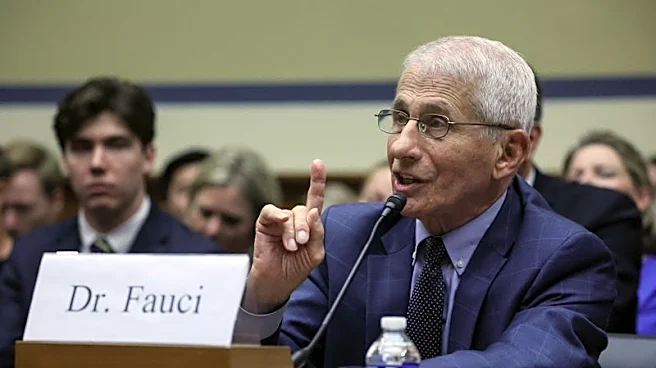
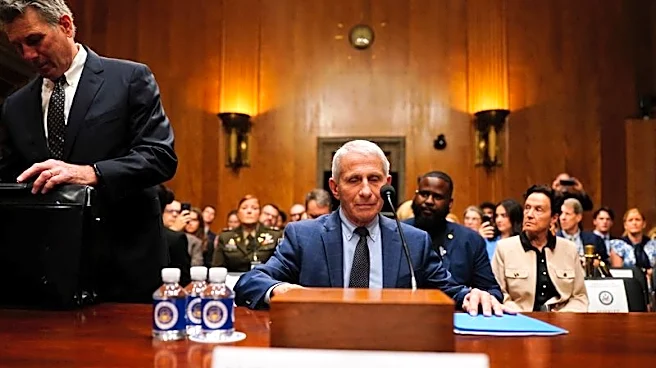
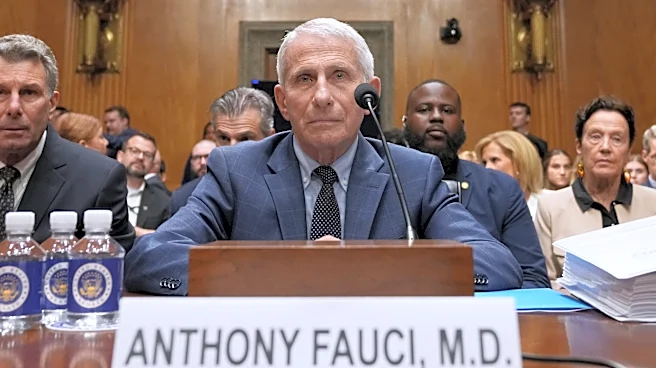
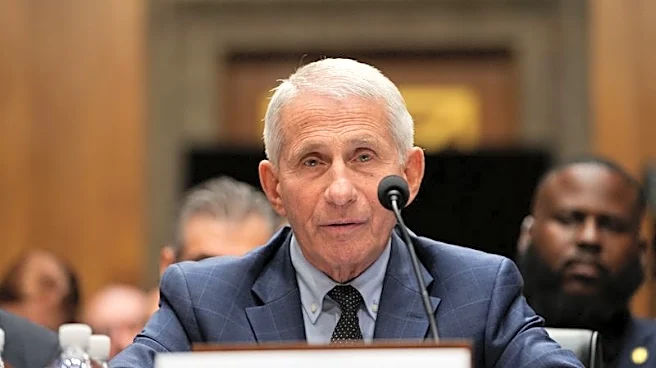
Anthony Fauci, former U.S. infectious disease expert, may face criminal charges after refusing to answer over 100 Senate questions regarding his handling of the COVID-19 pandemic. The confrontation with Republican lawmakers, led by Senator Rand Paul,
could test the limits of congressional power to compel testimony. If the Senate votes to refer Fauci for contempt of Congress, the Justice Department would decide whether to pursue charges, which would require grand jury approval.
Why It's Important?
This legal battle could set a precedent for congressional oversight and the accountability of public officials. It highlights the ongoing political tensions surrounding the pandemic response and the role of scientific experts in public policy. The case could influence future interactions between Congress and executive branch officials, potentially affecting the balance of power and the scope of legislative inquiries.
What's Next?
If the Senate supports the referral, the Justice Department's decision on whether to seek charges will be closely watched. Legal experts suggest that Fauci's defense could involve constitutional arguments, such as the Fifth Amendment. The outcome of this case could have significant implications for congressional authority and the legal protections available to government officials.