






What's Happening?
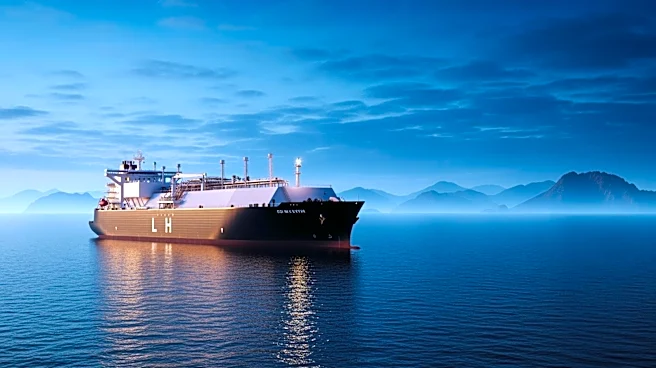
Gas-fired power operators in Asia are experiencing delayed but inevitable cost increases due to recent oil price shocks. The pricing of liquefied natural gas (LNG) remains tied to crude benchmarks, embedding oil volatility into long-term gas supply agreements.
This situation is exacerbated by take-or-pay LNG agreements, which limit operators' ability to adjust output in response to sudden price shifts. As a result, many Asian utilities are turning to alternative fuels like coal to manage rising costs. The International Energy Agency has released 400 million barrels from emergency reserves to stabilize oil markets, but structural exposure tied to LNG contracts remains.
Why It's Important?
The delayed cost increases in Asia's gas power sector highlight the interconnectedness of global energy markets and the impact of oil price volatility on different regions. The reliance on oil-linked pricing for LNG contracts exposes Asian countries to significant financial risks, affecting their energy security and economic stability. The shift towards alternative fuels like coal could have environmental implications, potentially increasing carbon emissions. Additionally, the situation underscores the need for diversified energy sources and more flexible contractual arrangements to mitigate the impact of future price shocks.
What's Next?
Operators in Asia are likely to continue exploring hedging strategies and supply diversification to manage volatility. Governments may introduce short-term measures such as tax relief and price controls to ease consumer pressure. In the long term, countries may revisit domestic exploration policies to reduce import dependence, though this carries risks of resource nationalism and treaty conflicts. The ongoing disruptions linked to the Strait of Hormuz could trigger further disputes and force majeure claims, impacting the stability of LNG contracts.