



What's Happening?
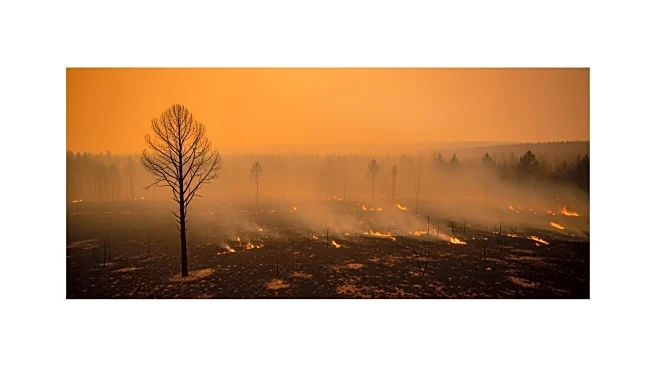
In mid-January 2026, wildfires erupted in south-central Chile, severely affecting the Biobío and Ñuble regions. These fires, fueled by hot and dry conditions, have led to the evacuation of 50,000 people and the destruction of over 300 homes. The fires have burned
more than 30,000 hectares (74,000 acres) of land. NASA's Terra satellite, equipped with the MODIS instrument, captured images of the smoke from these fires on January 18. The situation has been exacerbated by gusty winds and temperatures exceeding 38 degrees Celsius (100 degrees Fahrenheit), which have hindered firefighting efforts. In response, Chile's president declared a state of catastrophe in the affected regions to allocate more resources for firefighting and community assistance.
Why It's Important?
The wildfires in Chile highlight the increasing frequency and intensity of natural disasters exacerbated by climate conditions. The declaration of a state of catastrophe underscores the severity of the situation and the need for immediate action to protect lives and property. The fires not only pose a direct threat to human safety but also have significant environmental impacts, including the destruction of habitats and increased carbon emissions. This event serves as a reminder of the broader challenges posed by climate change, which can lead to more extreme weather patterns and natural disasters, affecting global ecosystems and economies.
What's Next?
With the state of catastrophe declared, Chile is expected to mobilize additional resources to combat the fires and support affected communities. International aid and cooperation may also play a role in providing relief and expertise in managing such disasters. The focus will likely be on containing the fires, preventing further damage, and beginning the recovery process for displaced residents. Long-term strategies may include enhancing fire prevention measures and addressing the underlying climate conditions contributing to such events.