





What's Happening?
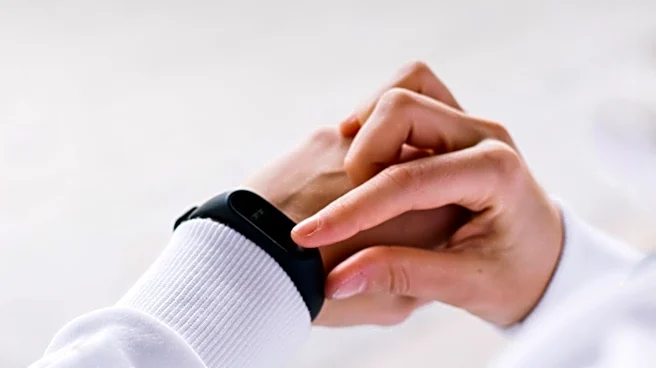
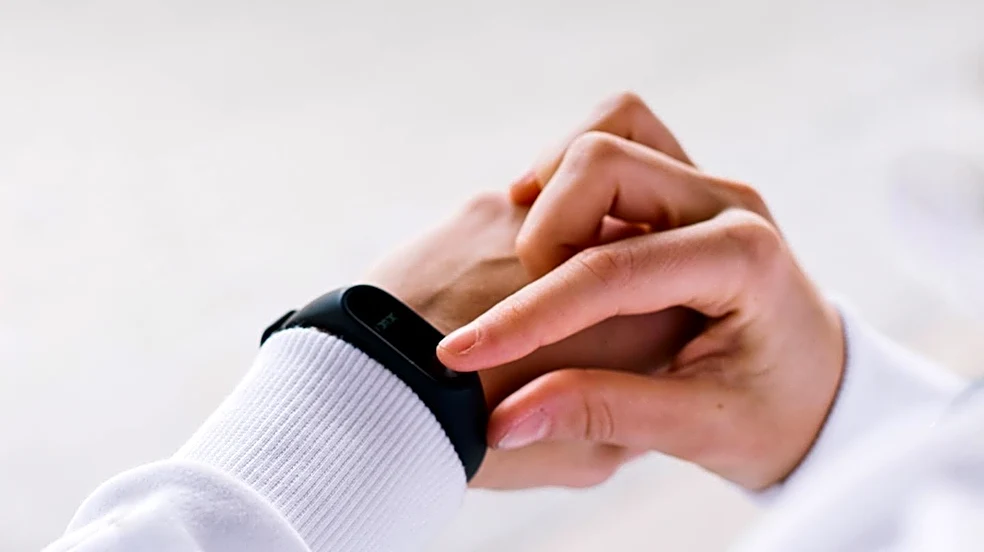
Smart rings are emerging as popular devices for tracking sleep habits, including bedtime, wake time, and total sleep duration. These rings typically use accelerometers to track movement and light-based sensors to read pulse, with some also monitoring
skin temperature and estimating blood oxygen levels. From this data, they estimate sleep onset, wake times, and even attempt to categorize sleep into light, deep, and REM stages. However, the American Academy of Sleep Medicine (AASM) has issued a position statement clarifying that while these consumer sleep technologies can be useful for monitoring sleep patterns over time and initiating conversations with clinicians, they cannot be used to diagnose or treat sleep disorders. The AASM emphasizes that the sleep stage data provided by smart rings are estimates based on physiological signals, not direct readings of brain activity, which is required for accurate sleep stage identification.
Why It's Important?
The proliferation of smart rings and other wearable sleep trackers has significant implications for public health and the healthcare industry in the U.S. On one hand, these devices empower individuals to become more aware of their sleep patterns, potentially motivating them to adopt healthier sleep habits. This increased awareness can be a valuable first step in addressing sleep-related issues. On the other hand, the AASM's clarification is crucial to prevent misinterpretation of data and self-diagnosis, which could delay proper medical intervention for actual sleep disorders. The distinction between consumer-grade tracking and clinical diagnosis is vital for ensuring that individuals with conditions like sleep apnea or insomnia receive appropriate, evidence-based care. This also impacts the medical device market, highlighting the need for clear communication about the capabilities and limitations of consumer wearables versus medical-grade diagnostic tools.
What's Next?
Consumers using smart rings for sleep tracking should continue to view them as tools for personal insight into their sleep habits rather than diagnostic devices. If consistent problematic patterns are observed, such as chronic sleep deprivation or frequent awakenings, these insights should prompt a consultation with a healthcare professional. The AASM's stance suggests a continued need for education among both the public and clinicians regarding the appropriate use and interpretation of data from consumer sleep technologies. Manufacturers of smart rings may face pressure to clearly articulate the non-diagnostic nature of their devices and potentially integrate features that facilitate seamless data sharing with healthcare providers, while adhering to privacy regulations. Future developments might focus on improving the accuracy of sleep stage estimation in wearables or developing more sophisticated algorithms that can flag potential sleep disorder indicators for professional review.
Beyond the Headlines
The rise of smart rings for sleep tracking reflects a broader societal trend towards self-quantification and the integration of technology into personal health management. This phenomenon raises deeper questions about data privacy, the ethics of health monitoring, and the potential for technology to both empower and mislead individuals about their health status. While these devices offer convenience and accessibility, they also contribute to a culture where personal data is constantly collected, necessitating robust regulations and transparent practices from tech companies. Furthermore, the AASM's statement underscores the enduring value of professional medical expertise in an era of readily available consumer health data. It highlights the critical role of trained clinicians in interpreting complex physiological information and providing nuanced diagnoses, reminding us that technology, while powerful, is a tool to augment, not replace, human medical judgment.