

What's Happening?
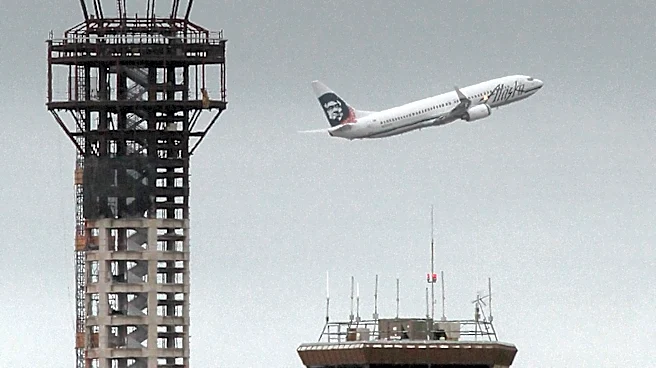
Vice President JD Vance has called on Congress to approve funding for modernizing the nation's aging aviation infrastructure before the end of the year. This plea follows a nationwide ground stop on Friday, which exposed significant vulnerabilities in the country's
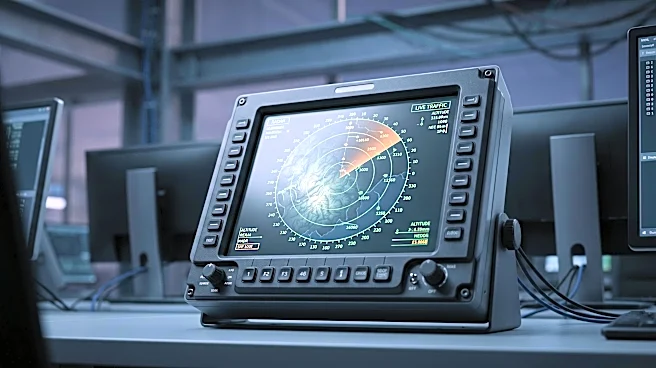
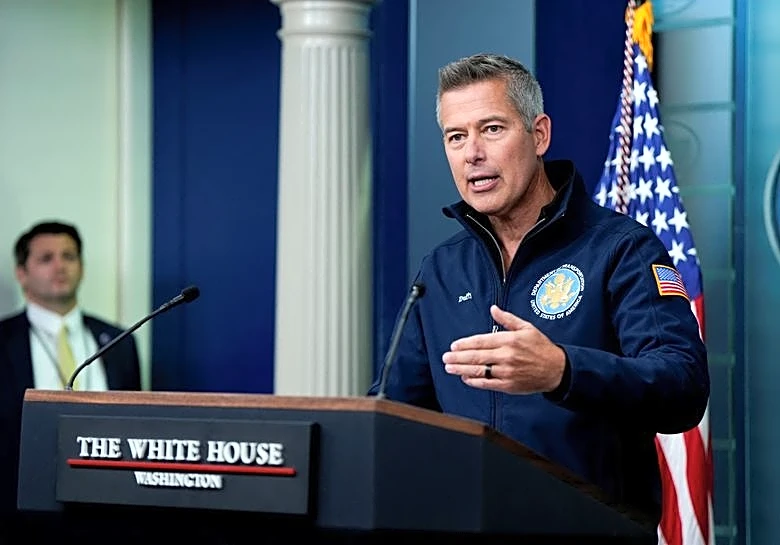
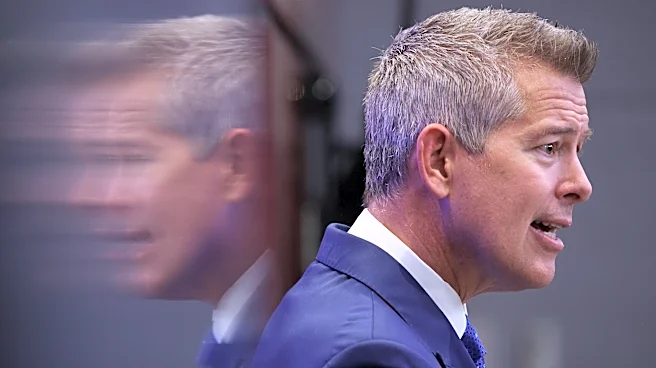
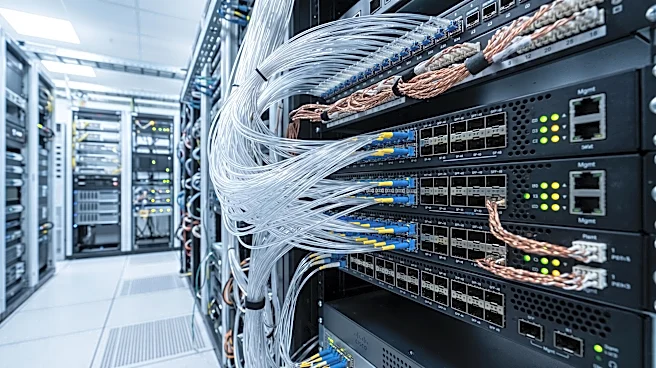
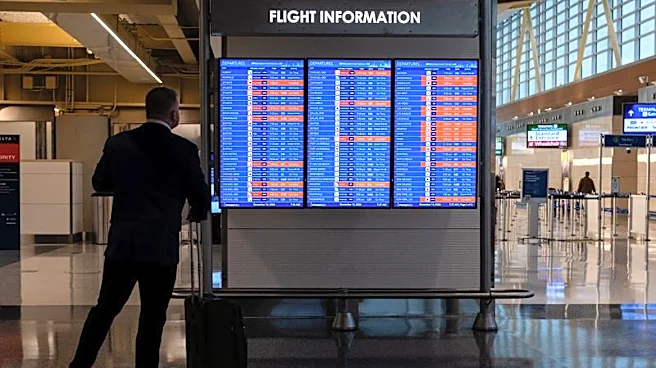
air traffic control systems. During an interview with Fox News host Laura Ingraham, Vance stated that the Trump administration would push for congressional action to upgrade outdated aviation technology. He highlighted that the current system relies on 50-year-old technology and emphasized the need for a new, rebuilt system. The disruption, caused by a failure in the Federal Aviation Administration’s communications infrastructure, led to widespread flight delays and cancellations, raising concerns about the reliability of air travel. Vance claimed that approximately 70% of the necessary equipment upgrades have already been completed by the administration, but acknowledged that substantial work remains. Ingraham questioned why these issues had not been fully resolved during President Trump's second term, to which Vance cited congressional funding constraints and the ongoing efforts of Transportation Secretary Sean Duffy to maintain the existing system.
Why It's Important?
The call for immediate funding to upgrade FAA infrastructure is critical for national security and economic stability. The recent nationwide ground stop underscored the fragility of the current air traffic control system, which, if not modernized, poses a significant risk to public safety and could lead to more frequent and severe disruptions. Such incidents can have cascading economic effects, impacting travel, commerce, and supply chains across the U.S. Businesses reliant on air freight and passenger travel face substantial losses from delays and cancellations. Furthermore, the reliance on outdated technology could make the system vulnerable to cyberattacks or other failures, potentially crippling air travel for extended periods. Modernizing this infrastructure is essential to ensure the efficiency and safety of the national airspace, supporting economic growth and maintaining public confidence in air travel. Failure to act could lead to increased operational costs for airlines, higher ticket prices for consumers, and a diminished competitive edge for U.S. aviation globally.
What's Next?
Vice President Vance indicated that the Trump administration will press Congress to approve the necessary funding during the upcoming lame-duck session. He warned that a failure to act before the busy Christmas and New Year's travel season would be a 'huge indictment' of lawmakers. The immediate next step involves legislative efforts to secure bipartisan support for an appropriations bill that includes significant allocations for FAA modernization. Stakeholders, including airlines, travel industry associations, and passenger advocacy groups, are likely to intensify lobbying efforts to ensure Congress prioritizes these upgrades. Transportation Secretary Sean Duffy and other administration officials will likely engage in discussions with congressional leaders to outline the urgency and scope of the required investments. If funding is secured, the FAA will then proceed with procurement and implementation phases for new technologies, which could take several years to fully deploy. Conversely, if Congress fails to act, the nation could face continued risks of air travel disruptions, potentially leading to increased public frustration and further calls for accountability.
Beyond the Headlines
The debate over FAA funding extends beyond immediate operational concerns, touching upon broader issues of national infrastructure investment and governmental efficiency. The reliance on 50-year-old technology highlights a systemic challenge in maintaining critical public services, often exacerbated by political gridlock and competing budgetary priorities. This situation also raises questions about the long-term planning and foresight within federal agencies responsible for essential infrastructure. The incident could spur a more comprehensive review of other aging national infrastructure systems, such as rail, road, and energy grids, which may also be operating on outdated technology and susceptible to similar failures. Ethically, the government's responsibility to ensure public safety through robust infrastructure is paramount, and any perceived negligence could erode public trust. Legally, repeated failures could lead to increased scrutiny and potential litigation against responsible agencies. Culturally, a reliable air travel system is deeply ingrained in the American way of life, and its consistent disruption could lead to significant societal frustration and a re-evaluation of national priorities.