




What's Happening?
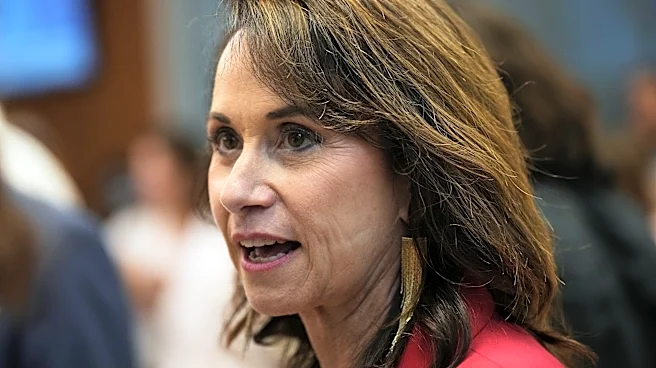
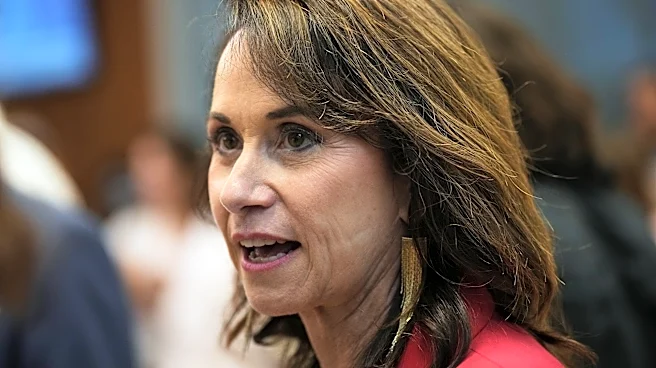
Louisiana's Attorney General, Liz Murrill, has been indicted by a New Orleans grand jury on charges of intimidation and malfeasance. The indictment stems from accusations that Murrill threatened New Orleans officials who opposed a Republican-led law to restructure
local courts. This law, supported by Republican Governor Jeff Landry, aimed to eliminate the position of Orleans Parish criminal court clerk, a role won by Calvin Duncan, a man previously wrongfully convicted. The indictment highlights ongoing tensions between the Republican state leadership and the predominantly Democratic city of New Orleans. Murrill, who faces a 16-count indictment, has been accused of using her position to pressure local officials into compliance with the new law. Governor Landry has promised a swift pardon for Murrill, criticizing the indictment as politically motivated.
Why It's Important?
This indictment underscores the deep political divide in Louisiana, where state-level Republican leaders frequently clash with Democratic officials in New Orleans. The case also raises questions about the balance of power between state and local governments, particularly in how laws are enforced and challenged. The outcome of this legal battle could set a precedent for how similar disputes are handled in the future, potentially affecting the governance and judicial processes in other states with similar political dynamics. The case also highlights issues of racial and political representation, as the law's critics argue it undermines the electoral will of a predominantly Black and Democratic constituency.
What's Next?
As the legal proceedings unfold, the case is expected to draw significant public and media attention. Governor Landry's promise to pardon Murrill could lead to further political and legal challenges, especially if the indictment is perceived as a misuse of power. The Republican Attorneys General Association has already criticized the indictment, suggesting it could have broader implications for how legal opinions are issued by state officials. Meanwhile, Calvin Duncan and his supporters may continue to seek legal and political avenues to challenge the law that prevented him from taking office.