



What's Happening?
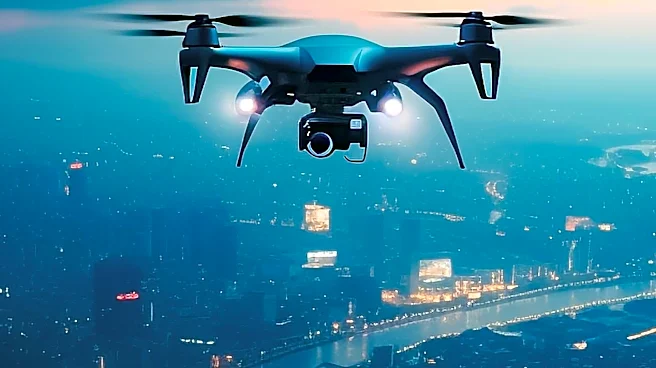
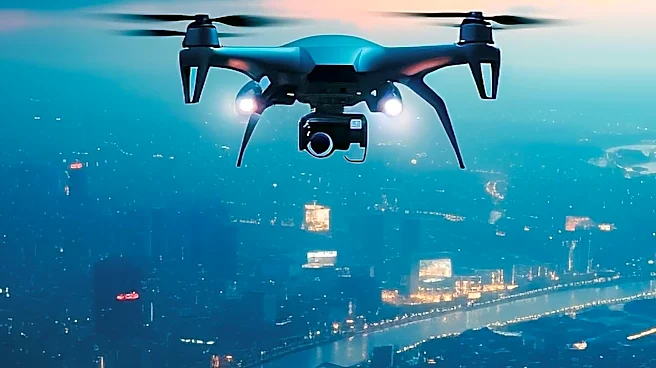
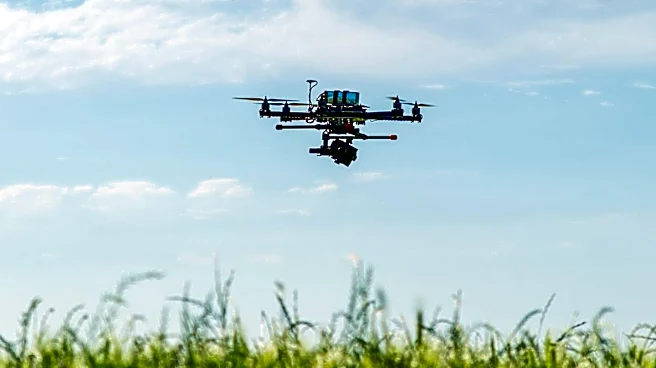
The Howard County Police Department (HCPD) is significantly upgrading its technological capabilities to improve public safety services. A key component of this enhancement is the expansion of its drone program to include 'Drone as First Responder' (DFR)
units. This initiative will deploy seven pre-positioned drones from rooftop docks, enabling them to reach calls-for-service within minutes or even seconds by bypassing traffic and physical barriers. These DFR drones will stream live video to the HCPD’s Real Time Information Center, providing responding officers with crucial aerial information to assess hazards, locate suspects, find weapons, and track missing individuals. The HCPD emphasizes that these drones, like their standard drone program launched in early 2020, will not patrol or monitor the public, identify faces, or record sound. In addition to the DFR program, the HCPD is implementing other technologies through an agreement with Axon, its current vendor. These include immediate translation capabilities for improved communication, tools to expedite report writing, enhanced digital evidence collection and review systems, and improved handling of non-emergency public calls to free up 911 dispatch staff. These new tools and the DFR program are slated for phased implementation over the coming months.
Why It's Important?
This technological advancement by the Howard County Police Department marks a significant shift in how law enforcement can respond to incidents, potentially setting a precedent for other police departments nationwide. The DFR program's ability to provide immediate aerial intelligence can drastically reduce response times and enhance officer safety by offering a clearer picture of a scene before ground units arrive. This proactive approach could lead to more efficient resolution of emergencies and a reduction in risks for both officers and the public. The integration of translation services, streamlined report writing, and improved digital evidence management also addresses critical operational inefficiencies and communication barriers within law enforcement. By freeing up dispatchers from non-emergency calls, the department can ensure that critical 911 calls receive immediate attention, potentially saving lives. This comprehensive technological upgrade reflects a broader trend in policing towards leveraging advanced tools to improve operational effectiveness and community safety, impacting how police services are delivered and perceived.
What's Next?
The Howard County Police Department plans to implement these new technologies, including the DFR program, in phases over the next few months. This phased rollout will likely involve training for officers and staff on the new systems and drones, as well as public awareness campaigns to inform residents about the enhanced services and address any concerns regarding privacy or drone usage. The success and effectiveness of these programs in Howard County could influence other police departments across the U.S. to adopt similar technologies, potentially leading to a wider integration of drones and AI-powered tools in law enforcement. Future developments may include further expansion of the drone fleet, integration with other smart city initiatives, and continuous evaluation of the technology's impact on crime rates, response times, and community relations. The agreement with Axon suggests ongoing collaboration to refine and expand these technological solutions, indicating a long-term commitment to tech-driven policing.
Beyond the Headlines
The adoption of 'Drone as First Responder' technology by the Howard County Police Department raises important discussions beyond immediate operational benefits. Ethically, while the HCPD states drones will not patrol or identify faces, the increasing use of aerial surveillance technology often sparks debates about privacy rights and potential for mission creep. The balance between public safety and individual liberties will remain a critical consideration as such technologies become more prevalent. Legally, the deployment of DFR units may prompt new legal frameworks or updates to existing regulations concerning drone operation in civilian areas, particularly regarding data collection, storage, and access. Culturally, the public's perception of police will likely evolve with the increased presence of drones; building trust and transparency around their use will be crucial. This move also signifies a long-term shift in policing towards predictive and preventative models, where technology plays a central role in intelligence gathering and rapid response, potentially reshaping the very nature of law enforcement in the digital age.