





What's Happening?
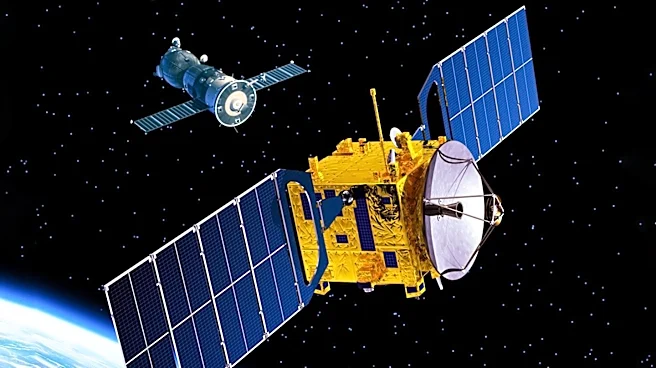
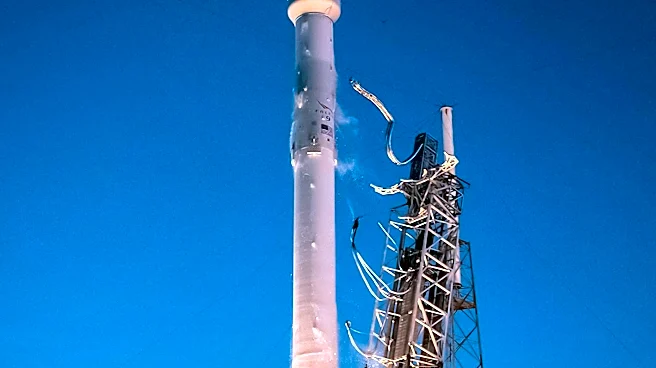
SpaceX successfully launched 27 Starlink internet satellites into low Earth orbit (LEO) from Vandenberg Space Force Base in California. The launch, which occurred just after midnight ET on October 31, 2026, utilized a Falcon 9 rocket. The first stage
of the Falcon 9, designated B1093, completed its 18th flight and landed as planned on the drone ship 'Of Course I Still Love You' in the Pacific Ocean. The upper stage deployed the satellites approximately 62 minutes after liftoff. This mission contributes to the ongoing expansion of the Starlink megaconstellation, which now comprises over 11,000 spacecraft, making it the largest satellite network ever assembled. This was the 118th Falcon 9 flight of 2026, with more than 70% of these missions dedicated to building the Starlink network.
Why It's Important?
The continuous deployment of Starlink satellites by SpaceX is crucial for expanding global internet access, particularly in remote and underserved areas. The growing megaconstellation aims to provide high-speed, low-latency internet connectivity, which can bridge the digital divide and foster economic development in regions lacking traditional broadband infrastructure. For the U.S., this expansion reinforces its leadership in commercial space technology and satellite internet services, potentially creating new markets and job opportunities in the aerospace and telecommunications sectors. The increasing number of satellites also enhances the resilience and capacity of the Starlink network, making it a more robust and reliable service for consumers and businesses. Furthermore, the reusability of the Falcon 9 booster, demonstrated by its 18th flight, signifies significant advancements in cost-effective space launches, which benefits the entire space industry by reducing the barriers to accessing orbit.
What's Next?
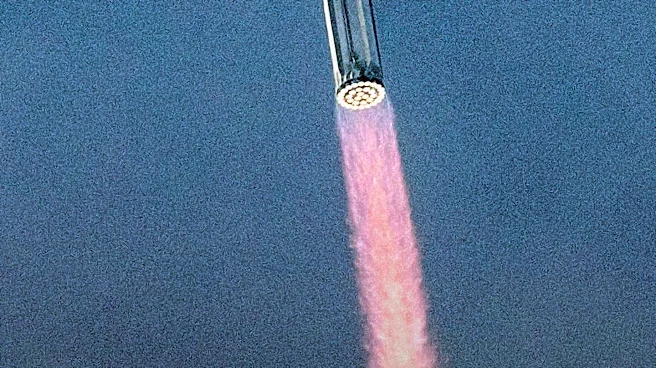
SpaceX is expected to continue its aggressive launch schedule to further build out the Starlink network. The company has dedicated over 70% of its Falcon 9 missions in 2026 to this effort, indicating a sustained focus on constellation expansion. Additionally, SpaceX is preparing for another Starship launch, anticipated in November, which could eventually play a role in deploying larger batches of Starlink satellites or next-generation versions. The ongoing growth of the Starlink constellation will likely lead to increased service availability and potentially lower costs for subscribers as the network's capacity and coverage improve. Future developments may also include enhanced features or services, such as direct-to-cell connectivity, as hinted by Elon Musk's vision for Starlink to become a phone carrier.
Beyond the Headlines
The rapid expansion of the Starlink megaconstellation raises broader discussions about space traffic management and orbital debris. With over 11,000 satellites already in orbit and thousands more planned, ensuring the long-term sustainability of LEO is a critical challenge. International cooperation and regulatory frameworks will become increasingly important to mitigate collision risks and manage the growing number of operational satellites and defunct spacecraft. Furthermore, the dominance of a single private entity like SpaceX in deploying such a vast satellite network prompts questions about market competition, equitable access to space, and the potential for monopolistic practices in the satellite internet sector. The environmental impact of frequent rocket launches and the eventual deorbiting of satellites also warrant ongoing scientific and policy attention.