








What's Happening?
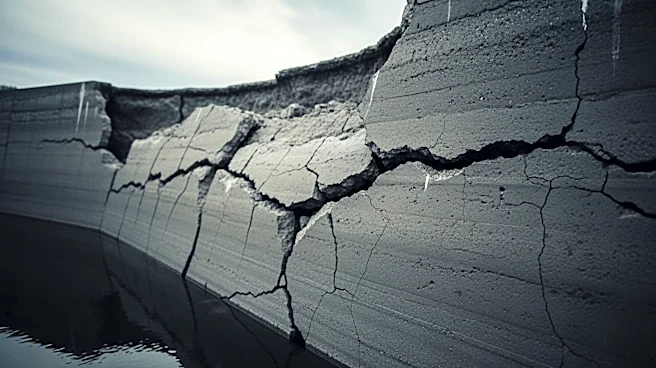
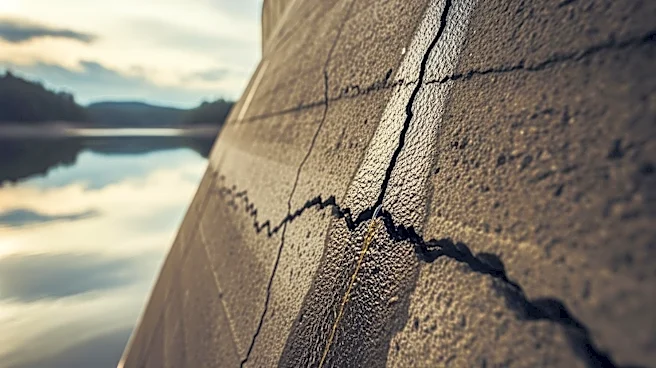
The London Court of Appeal has rejected BHP's attempt to appeal a previous ruling that held the mining company accountable for the collapse of the Fundão dam in Mariana, Minas Gerais, Brazil. This disaster, which occurred in 2015, resulted in significant
environmental damage and loss of life. The court's decision upholds the responsibility attributed to BHP, a major player in the mining industry, for the catastrophic event. The ruling is a significant legal setback for BHP, which has been involved in ongoing litigation and compensation claims related to the disaster. The collapse of the dam released millions of cubic meters of mining waste, causing widespread destruction and affecting thousands of people in the region.
Why It's Important?
This ruling is crucial as it reinforces the accountability of multinational corporations for environmental disasters, particularly in the mining sector. The decision could have far-reaching implications for BHP and similar companies, potentially influencing how they manage environmental risks and liabilities. It also highlights the increasing legal scrutiny and pressure on corporations to adhere to environmental and safety standards. For the affected communities, the ruling may pave the way for more substantial compensation and remediation efforts. The case underscores the importance of corporate responsibility and the role of legal systems in enforcing it, which could lead to stricter regulations and oversight in the industry.
What's Next?
Following the court's decision, BHP may need to focus on addressing the legal and financial repercussions of the ruling. This could involve negotiating settlements with affected parties and implementing measures to prevent future incidents. The company might also consider appealing to higher courts, although the current ruling sets a strong precedent. Additionally, the decision could prompt other mining companies to reassess their operational practices and risk management strategies to avoid similar liabilities. Regulatory bodies may also use this case as a basis to strengthen environmental protection laws and enforcement mechanisms.