

What's Happening?
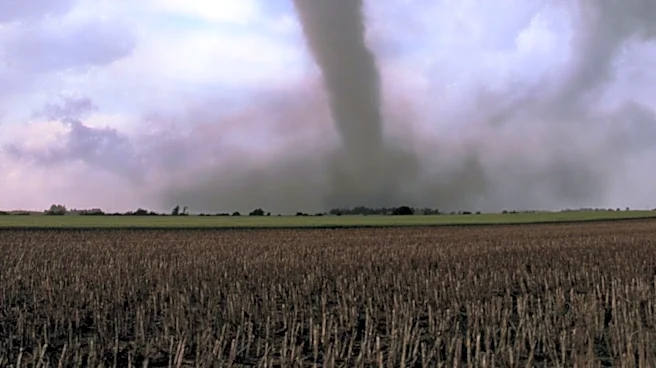
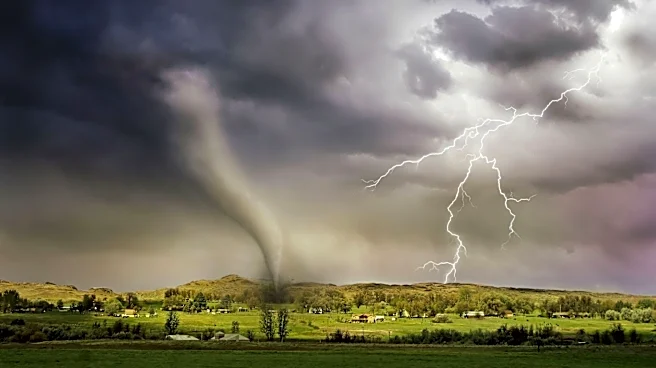
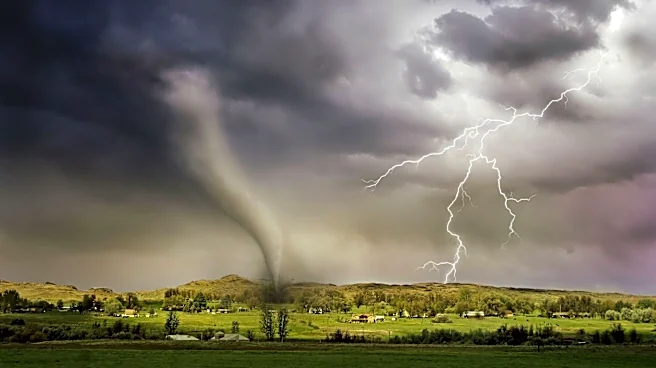
An EF-3 tornado recently struck the Appleton area in Wisconsin, marking the fourth severe-level tornado in the state this year. This event is part of an unusual weather pattern, as EF-3 tornadoes are relatively rare in Wisconsin. Meteorologist Timothy
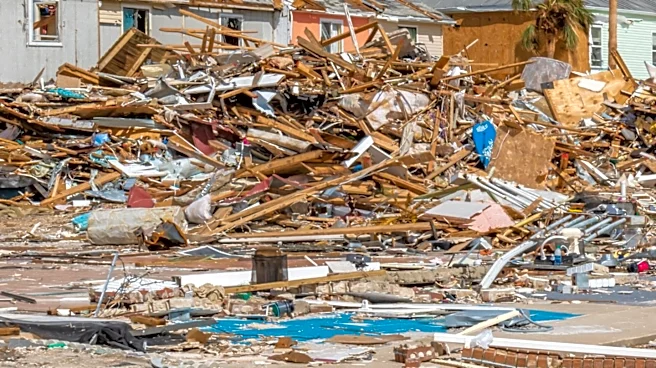
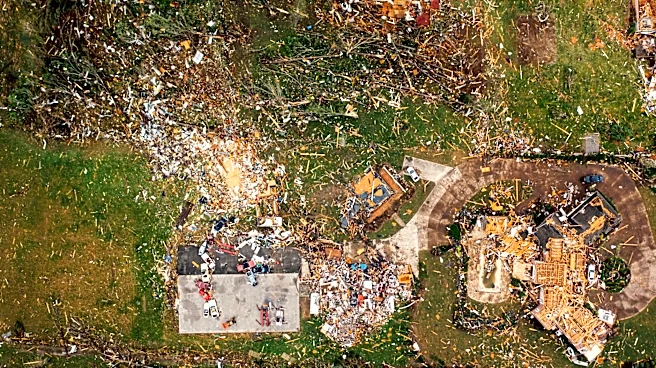
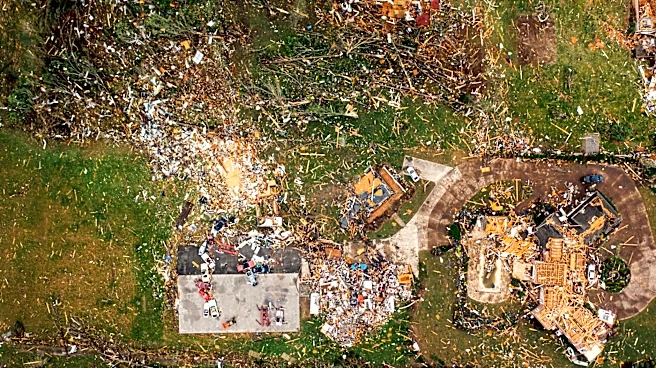
Halbach from the National Weather Service noted that the current year's weather conditions, including more humid air masses and favorable wind patterns, have contributed to the increased frequency of severe tornadoes. The tornado caused significant damage in the Menasha community, with estimated wind speeds reaching 140 mph. This year's tornado count in Wisconsin has already surpassed last year's total, highlighting a notable increase in severe weather events.
Why It's Important?
The occurrence of multiple EF-3 tornadoes in Wisconsin is significant due to their rarity and the extensive damage they cause. These severe weather events pose substantial risks to communities, infrastructure, and local economies. The increased frequency of such tornadoes may indicate broader changes in weather patterns, potentially linked to climate variability. The situation underscores the importance of effective emergency preparedness and response strategies to protect lives and property. It also highlights the need for ongoing research and monitoring to understand and adapt to changing weather conditions.
What's Next?
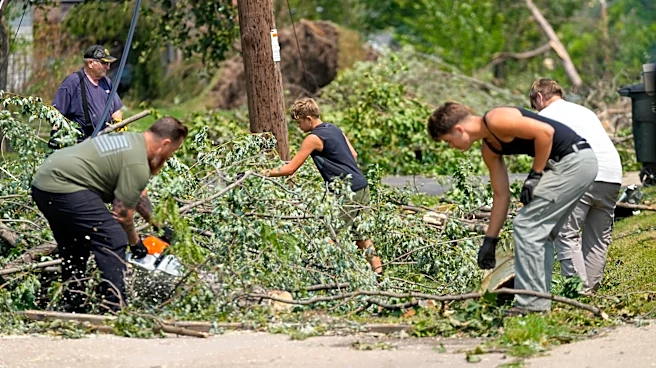
In the aftermath of the tornado, recovery and rebuilding efforts will be crucial for affected communities. Local authorities and emergency services will focus on providing assistance and resources to those impacted. The National Weather Service and other meteorological agencies will continue to monitor weather patterns and provide forecasts to help mitigate future risks. The situation calls for increased awareness and preparedness among residents, particularly in areas prone to severe weather. Long-term, there may be discussions on improving infrastructure resilience and emergency response capabilities to better handle such events.