







What's Happening?
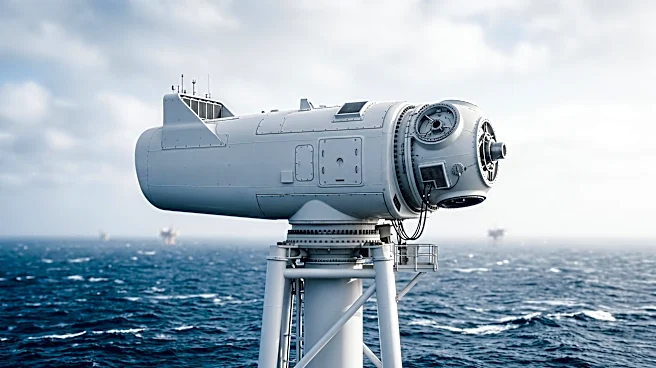
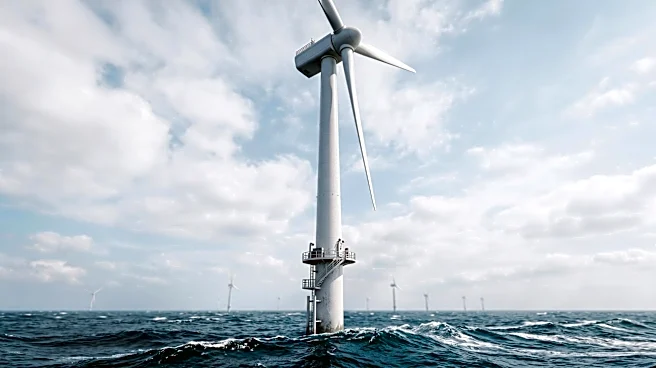
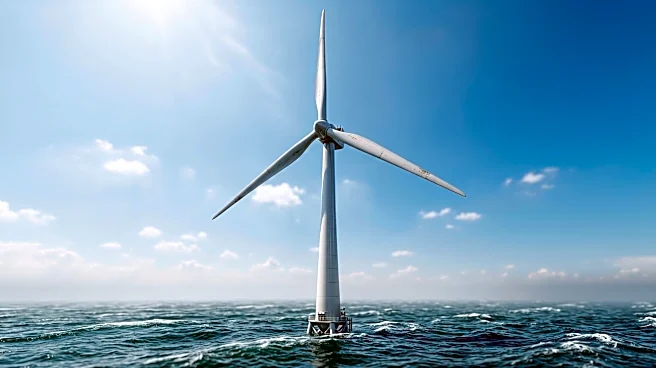
Orsted, the Danish offshore wind developer, announced that its 704-megawatt Revolution Wind project has reached commercial operation in October. This milestone was disclosed in the company's third-quarter interim report on November 5. The project, located
approximately 15 nautical miles southeast of Point Judith, features 65 turbines and began delivering power to the grid in March, with the final turbine installed in September. Rhode Island Energy holds a 20-year contract to purchase 400 megawatts of the farm's output, while Connecticut utilities will receive the remaining 304 megawatts. Governor Dan McKee of Rhode Island lauded the project's completion as a significant achievement for the state's workforce and energy future. The project is estimated to power the equivalent of more than 350,000 New England homes, with the federal Bureau of Ocean Energy Management (BOEM) stating it can power nearly 250,000 homes. The Rhode Island contract sets a flat wholesale price of $98.425 per megawatt-hour for the 20-year term.
Why It's Important?
The commercial operation of the Revolution Wind project marks a significant advancement for renewable energy infrastructure in the U.S., particularly in the New England region. This project contributes substantially to the clean energy goals of Rhode Island and Connecticut, diversifying their energy portfolios and reducing reliance on fossil fuels. For Rhode Island, the long-term contract is projected to save customers $374 million over its lifespan in energy and renewable energy certificates, plus an additional $139 million from lower wholesale energy prices. Residential bills are anticipated to see a reduction of $4 to $10 in the first full year. This demonstrates the potential economic benefits of large-scale offshore wind developments for consumers. Furthermore, the project's success reinforces the viability of offshore wind as a major power source in the U.S., potentially encouraging further investment and development in the sector, creating jobs, and fostering a domestic supply chain for offshore wind technology.
What's Next?
With Revolution Wind now fully operational, the focus will shift to its consistent power generation and the realization of projected cost savings for Rhode Island and Connecticut consumers. The project's performance will be closely monitored as it integrates into the regional power grid. Orsted will continue to manage the operational aspects of the wind farm, ensuring its efficiency and reliability. The successful commissioning of Revolution Wind may also influence future energy policy decisions and procurement strategies in other states looking to expand their renewable energy capacity. Additionally, the project's long-term economic and environmental impacts will be assessed, providing valuable data for future offshore wind developments. The ongoing monetization of U.S. tax credits for such projects, including the 10% bonus credit tied to community elements, will also be a key financial aspect for Orsted.
Beyond the Headlines
The completion of Revolution Wind underscores the complex interplay between federal and state regulatory bodies, environmental concerns, and energy development. The project faced federal stop-work orders and legal challenges, highlighting the regulatory hurdles and potential for delays in large-scale infrastructure projects. The successful navigation of these challenges by Orsted and its partners sets a precedent for future offshore wind developments in the U.S. It also brings to the forefront the ongoing debate about balancing energy needs with environmental protection and the interests of various stakeholders, such as the fishing industry. The project's long-term impact on marine ecosystems will be a subject of continued study and monitoring, contributing to the broader understanding of offshore wind's ecological footprint. This development also signifies a broader shift in the U.S. energy landscape towards sustainable sources, influencing technological innovation and investment in green energy solutions.