






What's Happening?
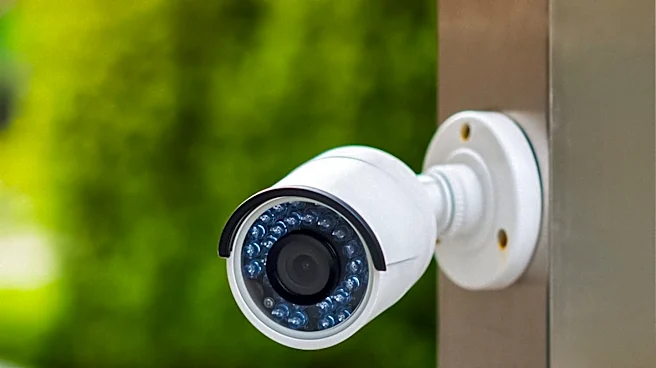
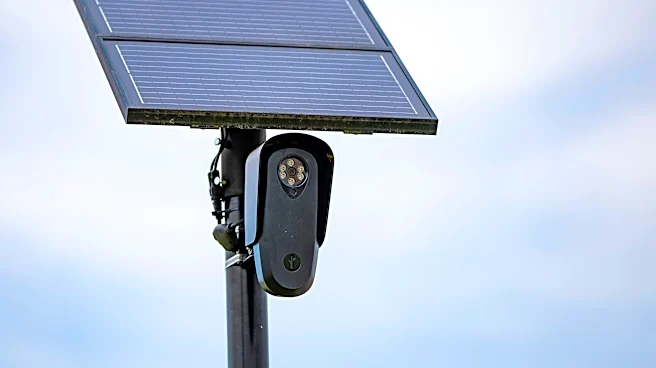
Flock Safety, a company operating a vast network of 120,000 license plate reading cameras across 49 U.S. states, is facing significant backlash from lawmakers and civil liberties organizations regarding privacy concerns and alleged misuse of its technology.
The company, which partners with 6,000 law enforcement agencies and 1,000 private customers, has been implicated in incidents ranging from false arrests to crooked police officers stalking individuals. Recent reports also indicated plans to integrate its surveillance capabilities into Uber and Lyft dash cams. In response to this growing controversy, Flock Safety CEO Garrett Langley has initiated damage control, asserting that the issues are a "big misunderstanding" and that the company is focused on public safety. As part of these efforts, Flock Safety announced platform changes, including requiring law enforcement customers to use an audit tool to flag abnormal behavior and reducing the data retention window for footage from 30 days to seven. However, critics, including the American Civil Liberties Union, have dismissed these adjustments as "window dressing" and "merely retreads of previous inadequate safety measures," arguing they fail to address fundamental issues like the absence of judicial warrants for searches. Public discontent is evident, with at least 54 U.S. cities voting to cancel, non-renew, or reject Flock's automatic license plate readers this year.
Why It's Important?
The controversy surrounding Flock Safety's surveillance technology highlights a critical tension between public safety initiatives and individual privacy rights in the United States. The widespread deployment of license plate readers, coupled with reported inaccuracies and potential for misuse, raises significant civil liberties concerns. The company's revenue growth, from $300 million to $500 million in just six months, underscores the rapid expansion of surveillance infrastructure despite public and legislative opposition. This situation impacts U.S. society by potentially eroding trust in law enforcement and private entities that collect vast amounts of personal data. The debate over Flock Safety's practices could set precedents for how other surveillance technologies are regulated and deployed, influencing future policies on data retention, auditing requirements, and the necessity of judicial oversight for data access. For citizens, the risk of false positives, as demonstrated by the 71% inaccuracy rate reported by Roseville, California police, means a higher likelihood of wrongful stops or investigations, impacting personal freedom and safety. The pushback from cities and civil liberties groups indicates a growing demand for greater accountability and transparency from companies operating in the surveillance sector.
What's Next?
Despite the announced changes, Flock Safety is likely to continue facing intense scrutiny from civil liberties groups and lawmakers. The American Civil Liberties Union and the Institute for Justice have already expressed skepticism, suggesting that the company's adjustments are insufficient to address the core privacy concerns. This ongoing pressure could lead to further legislative action at state and local levels, potentially resulting in more cities canceling or rejecting contracts with Flock Safety. The company's plans to expand its offerings to include drones, surveillance trailers, and gunshot-detecting hardware will likely intensify public and regulatory debate, as these technologies introduce new layers of surveillance and potential privacy infringements. Law enforcement agencies partnered with Flock Safety may face increased public demand for transparency regarding their use of the technology and adherence to the new audit tools. The effectiveness of the reduced data retention period and the audit tool in preventing misuse will be closely monitored by critics. Furthermore, the documented technological inaccuracies of the license plate readers could prompt calls for independent performance audits and stricter standards for surveillance technology deployment, potentially influencing procurement decisions by government entities.
Beyond the Headlines
The Flock Safety controversy delves into profound ethical and legal questions regarding the balance between security and liberty in a technologically advanced society. The concept of "mass surveillance" by a private entity, even if in partnership with law enforcement, challenges traditional notions of privacy and the Fourth Amendment's protection against unreasonable searches. The company's narrative of "protecting people" versus critics' concerns about "Big Brother" highlights a fundamental philosophical divide on the role of technology in governance and public safety. The financial success of Flock Safety, despite its controversies, suggests a powerful market demand for surveillance solutions, which could incentivize other companies to develop similar technologies, potentially leading to a more pervasive surveillance landscape. The incidents of false tracking and arrests underscore the real-world consequences of algorithmic errors and the potential for technology to disproportionately impact individuals. This situation also raises questions about the accountability of private companies when their technology is used by government agencies, blurring the lines of responsibility and oversight. The ongoing debate could catalyze broader discussions about digital rights, the need for robust regulatory frameworks for AI-powered surveillance, and the democratic control over data collection and usage in public spaces.