
What's Happening?
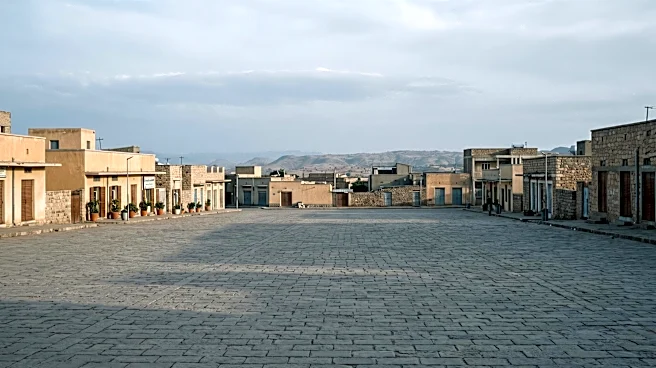
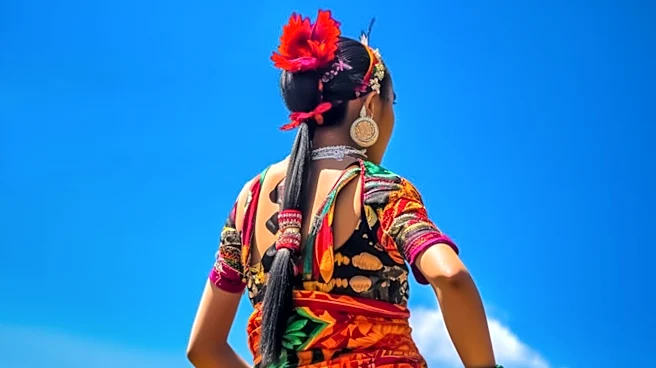
Tigrayan women in Addis Ababa recently celebrated Ashenda, a traditional festival marking the end of a 15-day fast known as Filseta. This year's celebrations were overshadowed by growing fears of renewed
conflict in Ethiopia's Tigray region. Federal and Tigrayan forces have reportedly amassed on both sides of the northern state's border, with minor skirmishes already occurring in some areas. Many Tigrayans living outside the region were unable to travel home for the holiday due to the escalating tensions. Residents expressed sadness and concern over the situation, with one hair stylist, Tiras Gebregziabher, stating that the people are living in a 'bad situation.' Muluberhan Argawi, an Addis Ababa resident, also noted the inconvenience of the current situation preventing travel to Tigray for the celebrations. Ashenda, named after a type of tall green grass, involves women wearing skirts made of this grass over white cotton dresses with colorful embroidery. While originally a Christian festival, it has evolved into a broader cultural celebration observed in Tigray, the Amhara region, and Eritrea.
Why It's Important?
The celebration of Ashenda amidst heightened fears of conflict underscores the deep humanitarian and social impact of the ongoing instability in Ethiopia. The inability of many Tigrayans to return home for a significant cultural and religious event highlights the disruption to daily life and cultural practices caused by the political and military tensions. This situation can exacerbate feelings of displacement and alienation among those affected by the conflict. The reports of military buildups and skirmishes suggest a fragile peace, with the potential for a full-scale resumption of hostilities. Such a development would not only lead to further loss of life and displacement but also deepen the humanitarian crisis in the region, which has already suffered immensely from previous conflicts. The international community's attention remains crucial to de-escalate tensions and prevent further suffering, as the stability of the entire Horn of Africa region is at stake.
What's Next?
The immediate future for the Tigray region remains uncertain, with the potential for either de-escalation through diplomatic efforts or a renewed outbreak of widespread conflict. The continued military posturing by both federal and Tigrayan forces suggests that tensions are high and a resolution is not imminent. International bodies and diplomatic actors will likely continue to monitor the situation closely and may increase calls for dialogue and a peaceful resolution. The experiences of Tigrayans celebrating Ashenda away from their homes could fuel further calls for peace and stability from within the diaspora and affected communities. Any further military action would undoubtedly lead to increased humanitarian needs, potentially triggering a new wave of displacement and exacerbating food insecurity and access to essential services. The coming weeks will be critical in determining whether diplomatic efforts can prevail over the current trajectory towards renewed conflict.
Beyond the Headlines
The celebration of Ashenda, a festival deeply rooted in Tigrayan culture and identity, during a period of intense political and military uncertainty, reveals the resilience of cultural traditions in the face of adversity. It also highlights how cultural events can become symbols of hope and continuity amidst displacement and fear. The inability of many to participate in these celebrations in their homeland underscores the broader issue of cultural disruption caused by conflict, where the fabric of community life is torn apart. This situation also brings to light the complex interplay between ethnic identity, political grievances, and national unity in Ethiopia. The continued observance of such festivals, even under duress, serves as a powerful reminder of the enduring spirit of a people and their desire for peace and normalcy, even as the threat of war looms large. The cultural significance of Ashenda transcends its religious origins, acting as a unifying force for Tigrayan women and a poignant symbol of their aspirations for a peaceful future.