


What's Happening?
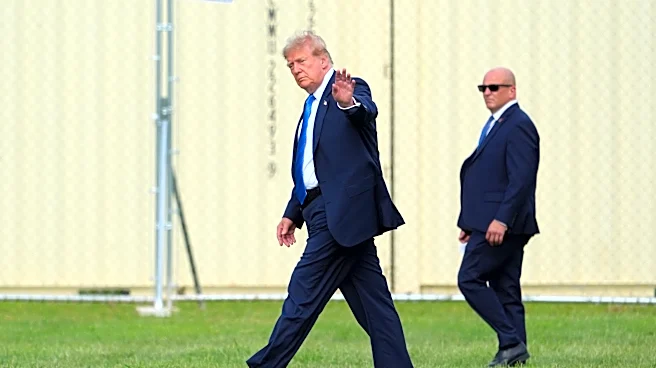
President Trump held a meeting with oil executives on September 1 as the average price per gallon of gas in the United States reached over $4. The meeting, discussed on MS NOW's 'Money, Power, Politics with Stephanie Ruhle,' included various oil refiners,
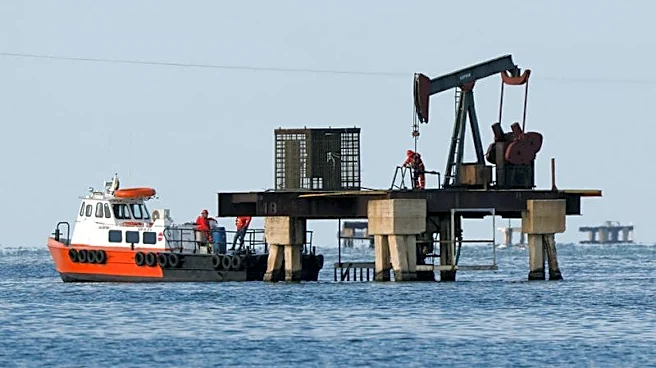
but notably excluded Darren W. Woods, the CEO and chairman of ExxonMobil, the third-largest oil company. Chevron CEO Mike Wirth was expected to attend. The exclusion of ExxonMobil's CEO was attributed to his past comments regarding Venezuela, where he stated in January that the country was 'un-investible' and that Exxon had 'lost our shirts' trying to do business there over the last 50 years. This situation has led to discussions among panelists about 'Crony Capitalism' and the motivations behind such high-level corporate engagements with the administration.
Why It's Important?
This event highlights the complex relationship between the U.S. administration and major energy corporations, particularly during periods of economic strain like rising gas prices. The exclusion of a significant industry leader like ExxonMobil's CEO from a critical discussion on energy policy suggests that corporate leaders' public statements and past business decisions can influence their access to the White House. This could create a chilling effect, potentially discouraging open criticism or independent assessments from business leaders who fear being sidelined from important policy discussions. For the energy sector, it underscores the political dimensions of doing business, where alignment with the administration's views, even on international matters, might be perceived as beneficial for maintaining influence. Consumers, facing higher gas prices, are directly impacted by the outcomes of such meetings, which aim to address fuel costs, yet the political dynamics at play could complicate effective solutions.
What's Next?
The immediate focus will likely remain on the trajectory of gas prices and any policy announcements or initiatives that emerge from President Trump's meeting with the attending oil executives. The administration may seek to present a united front with the energy sector to address public concerns about fuel costs. However, the absence of ExxonMobil's CEO could lead to questions about the comprehensiveness and representativeness of the discussions. Future interactions between the White House and the energy industry will be scrutinized for signs of continued selective engagement based on corporate leaders' public stances. This situation could also prompt other CEOs to re-evaluate their public commentary on politically sensitive issues, especially those touching on foreign policy or economic conditions that the administration is actively managing. The broader implications for corporate lobbying and influence in Washington will also be a point of observation.
Beyond the Headlines
The incident delves into the deeper implications of corporate independence versus political alignment in a highly charged economic and political environment. The concept of 'Crony Capitalism,' as mentioned by the MS NOW panelists, suggests a system where political favoritism, rather than pure market forces, dictates business opportunities and access. This raises ethical questions about the role of the presidency in influencing corporate behavior and the potential for administrations to reward or punish companies based on their perceived loyalty or dissent. It also highlights the pressure on CEOs to navigate a political landscape where their words can have significant consequences beyond market performance. The long-term effect could be a shift in how corporate leaders engage with political figures, potentially leading to more cautious public statements or a greater emphasis on private diplomacy to avoid political repercussions. This dynamic could ultimately impact the transparency and objectivity of corporate input into national policy-making.