





What's Happening?
The 31st Conference of the Parties (COP31) to the UN Framework Convention on Climate Change (UNFCCC) is scheduled to take place in Antalya, Turkey, from November 9 to 20, 2026. This annual conference serves as the largest international gathering for negotiating
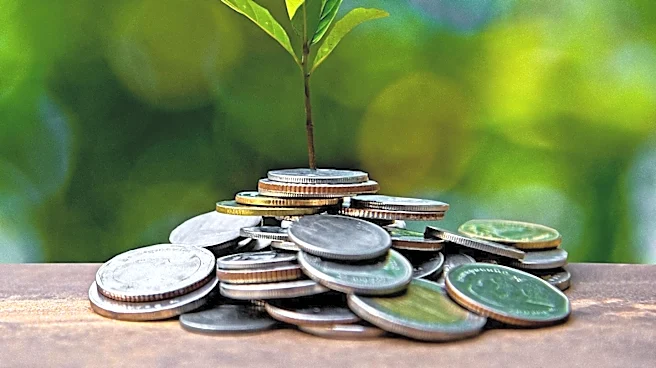
and advancing global cooperation on climate change. Key themes for COP31 include strengthening commitments to reduce greenhouse gas emissions, accelerating the transition from fossil fuels to clean energy, providing climate finance to developing countries, enhancing adaptation to climate change impacts, and promoting climate justice. The conference aims to translate political will into effective action and practical cooperation, with a focus on implementing climate solutions and advancing the global energy transition. Murat Kurum will chair the conference, with Chris Bowen, Australia’s Minister for Climate Change and Energy, chairing negotiations. A World Leaders’ Summit is also planned for November 11 and 12.
Why It's Important?
COP31 is crucial for global climate governance as it seeks to address the persistent gap between political commitments and practical action in combating climate change. The conference will tackle critical issues such as the continued global economy's dependence on fossil fuels and the need for substantial financial and technical support for developing nations, which are often most vulnerable to climate change impacts despite contributing the least to emissions. The outcomes of COP31 could influence international policies on emissions reductions, renewable energy investments, and financial aid mechanisms like the Green Climate Fund. Success in these areas could lead to more robust global efforts to limit temperature rise, enhance climate resilience, and foster a more equitable distribution of climate responsibilities and costs, impacting industries reliant on fossil fuels and those developing clean energy technologies.
What's Next?
Following the conference, the focus will shift to the implementation of any new agreements or strengthened commitments made by participating nations. Countries will be expected to revise and implement national emissions reduction plans and accelerate progress towards the 1.5 degrees Celsius temperature limit. The effectiveness of COP31 will be measured by its ability to secure more concrete actions and climate finance, rather than just political promises. Stakeholders, including governments, international organizations, businesses, and civil society, will monitor the follow-through on pledges, particularly regarding financial support for developing countries and the pace of the energy transition. The Green Climate Fund has already signed agreements for ten new climate projects, indicating ongoing efforts to channel funds into climate action.
Beyond the Headlines
Beyond the immediate negotiations, COP31 highlights the complex interplay of environmental, economic, and geopolitical factors in addressing climate change. The conference will underscore the ethical dimensions of climate justice, emphasizing the historical responsibility of industrialized nations and the disproportionate impact on vulnerable countries. The discussions on transitioning from fossil fuels will reveal the geopolitical challenges associated with energy security and economic stability for fossil fuel-dependent nations. The effectiveness of international climate agreements, such as the Paris Agreement and the Kyoto Protocol, will continue to be scrutinized, particularly concerning their enforcement mechanisms and the accountability of nations in meeting their targets. The conference also serves as a platform for fostering multilateralism and international cooperation in tackling a global crisis that transcends national borders.