
What's Happening?
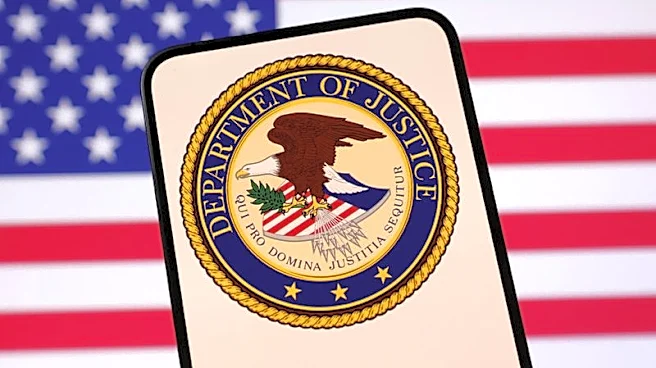
The Trump administration is reportedly advancing plans to create a national voter database as part of President Trump's executive order aimed at restricting mail-in voting. According to reports, White
House officials have been coordinating with the Department of Justice, Department of Homeland Security, and the U.S. Postal Service to implement federally approved voter lists. This initiative is part of a broader effort to limit mail-in voting by ensuring absentee ballots are only sent to voters on these lists. The executive order has sparked significant legal opposition, with Democratic Party officials and pro-voting groups filing lawsuits challenging its constitutionality. They argue that the U.S. Constitution grants states the authority to oversee elections, not the federal government. A federal judge is currently hearing the case in Washington, D.C., as the administration's actions contradict previous claims that no concrete steps had been taken to implement the order.
Why It's Important?
The creation of a national voter database and the restriction of mail-in voting could have significant implications for the U.S. electoral process. Critics argue that such measures could disenfranchise voters, particularly those who rely on mail-in voting due to accessibility issues. The legal challenges highlight the ongoing debate over federal versus state control of elections, a fundamental aspect of U.S. democracy. If the administration's plans proceed, it could set a precedent for increased federal involvement in election oversight, potentially altering the balance of power between state and federal authorities. The outcome of this legal battle could influence future election policies and voter access across the country.
What's Next?
The federal court's decision on the legality of President Trump's executive order will be pivotal. If the court rules in favor of the administration, it could pave the way for the implementation of the national voter database and further restrictions on mail-in voting. Conversely, a ruling against the order could reinforce state authority over elections and limit federal intervention. The case is likely to attract significant attention from political leaders, civil rights organizations, and the public, as it addresses critical issues of voter rights and election integrity. The decision could also prompt legislative action to clarify the roles of state and federal governments in election administration.