










What's Happening?
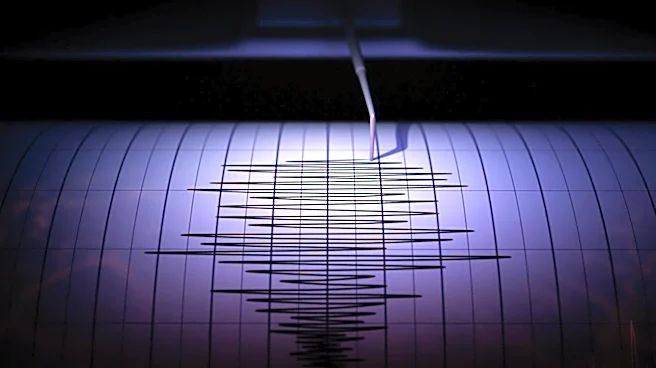
The U.S. Geological Survey (USGS) is conducting market research to acquire advanced software that leverages artificial intelligence (AI) and machine learning (ML) to enhance its seismic activity monitoring capabilities. The National Earthquake Information
Center (NEIC) of the USGS currently operates detection algorithms that process seismic data in near-real time to produce earthquake information products. The center aims to refresh its AI and ML tools to incorporate more real-time functionality, as stated in a recent sources sought notice. The NEIC faces technological challenges in deriving scientific data products from continuous seismic data acquisition systems, analysis systems, and data quality tools. The request for information outlines five key areas for software development: maintaining real-time seismic data streaming and detection systems, modernizing detection algorithms, integrating AI/ML capabilities, building monitoring and distribution systems, and supporting scientific research. Responses to the request are due by July 24.
Why It's Important?
The initiative by the USGS to enhance its earthquake monitoring systems with AI and ML technologies is significant for improving the accuracy and timeliness of seismic data analysis. This development could lead to better preparedness and response strategies for earthquake-prone areas, potentially saving lives and reducing economic losses. By modernizing its detection algorithms and integrating advanced technologies, the USGS aims to provide more reliable data to scientists, policymakers, and emergency response teams. The move reflects a broader trend in leveraging AI and ML across various sectors to improve data processing and decision-making capabilities. The success of this initiative could set a precedent for other government agencies and organizations to adopt similar technologies for monitoring and managing natural disasters.
What's Next?
The USGS will review responses to its request for information to identify potential software solutions that meet its requirements. The integration of new AI and ML tools will likely involve collaboration with technology developers and researchers to ensure the systems are effectively implemented. Stakeholders, including government agencies, emergency response teams, and the scientific community, will be closely monitoring the progress of this initiative. The outcome could influence future funding and policy decisions related to disaster preparedness and response. Additionally, the advancements in AI and ML technologies for seismic monitoring may prompt further research and development in related fields, potentially leading to innovations in other areas of natural disaster management.