



What's Happening?
A comprehensive study spanning two decades has revealed that adherence to a Mediterranean diet can significantly reduce the risk of various types of stroke. The research, involving over 105,000 women in California, found that those who closely followed
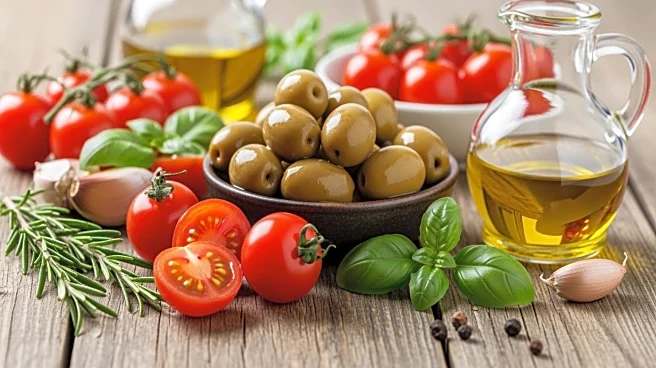
a diet rich in olive oil, nuts, seafood, whole grains, and vegetables were 18% less likely to experience a stroke compared to those who did not. The study, published in Neurology Open Access, highlights that the diet is particularly effective in reducing the risk of ischemic strokes by 16% and hemorrhagic strokes by 25%. Participants were scored based on their dietary habits, with higher scores indicating closer adherence to the Mediterranean diet. The findings suggest that dietary improvements could play a crucial role in stroke prevention.
Why It's Important?
The study's findings underscore the potential of dietary interventions in reducing the incidence of strokes, a leading cause of death and disability worldwide. With strokes affecting millions globally, the implications of this research are significant for public health strategies aimed at prevention. The Mediterranean diet, already known for its cardiovascular benefits, could be a key component in reducing healthcare costs and improving quality of life by preventing strokes. The study also highlights the importance of dietary habits in managing health risks, providing a non-invasive, cost-effective approach to disease prevention. This could influence dietary guidelines and public health policies, encouraging a shift towards healthier eating patterns.
What's Next?
Further research is needed to confirm these findings and explore the mechanisms by which the Mediterranean diet reduces stroke risk. The study's authors suggest that future studies should include diverse populations and consider other factors such as genetic predispositions. Public health campaigns may increasingly promote the Mediterranean diet as a preventive measure against strokes. Healthcare providers might also incorporate dietary counseling into routine care for patients at risk of stroke. As awareness grows, there could be a broader adoption of Mediterranean dietary practices, potentially leading to a decrease in stroke-related morbidity and mortality.
Beyond the Headlines
The study opens up discussions on the broader implications of diet on health beyond stroke prevention. It raises questions about the role of diet in managing other chronic conditions and the potential for dietary guidelines to evolve based on emerging evidence. The findings also highlight the need for accessible and affordable healthy food options to ensure that all populations can benefit from such dietary interventions. Additionally, the study may prompt further investigation into the cultural and socioeconomic factors that influence dietary habits and health outcomes.