
What's Happening?
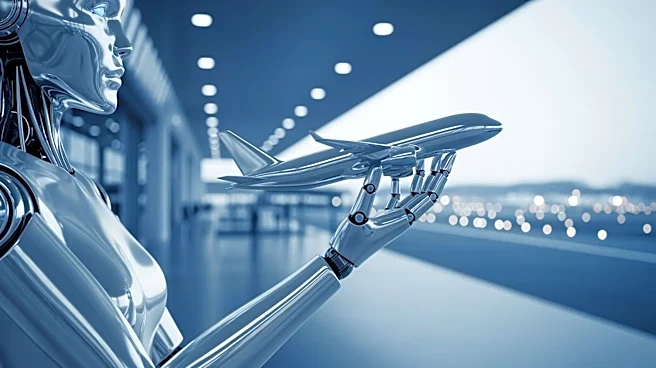
Japan Airlines has begun testing humanoid robots for ground operations at Tokyo's Haneda Airport in response to labor shortages. Partnering with GMO AI & Robotics, the airline is trialing robots for tasks
such as baggage loading and cabin cleaning. The initiative comes as Japan's aviation sector faces challenges from rising tourism demand and a shrinking workforce due to an aging population. The humanoid robots are expected to be deployed progressively across the airport, with the trial lasting for two years. The robots, produced by China's Unitree, are designed to perform tasks that were previously difficult for machines, thanks to advancements in joint dexterity and AI software.
Why It's Important?
The introduction of humanoid robots in airport operations could significantly impact the aviation industry by addressing labor shortages and improving efficiency. As Japan's population ages and the workforce shrinks, innovative solutions like these robots are crucial for maintaining service levels and meeting increasing tourism demands. The successful implementation of such technology could serve as a model for other industries facing similar workforce challenges. Additionally, the trial highlights the potential for AI and robotics to transform traditional labor roles, offering a glimpse into the future of automated work environments.
What's Next?
If the trial proves successful, Japan Airlines may expand the use of humanoid robots to other airports and operations, potentially setting a precedent for the global aviation industry. The trial's outcomes could influence policy decisions and encourage further investment in AI and robotics to address labor shortages. As the technology matures, we may see broader adoption across various sectors, leading to significant changes in workforce dynamics and operational efficiency.