




What's Happening?
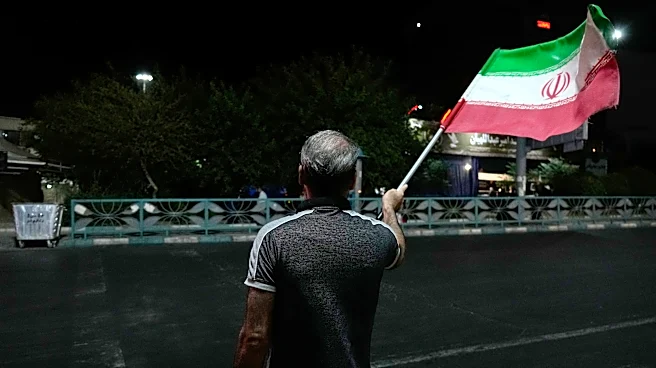
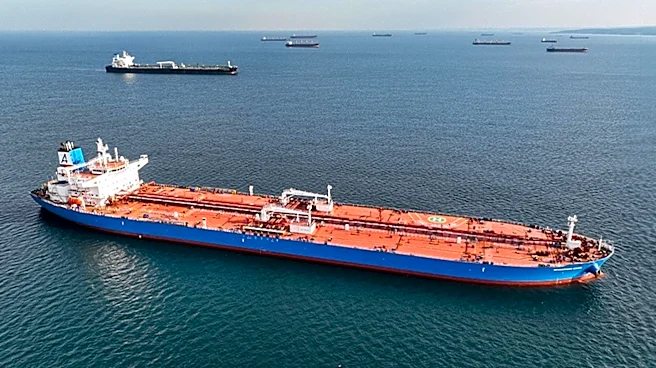
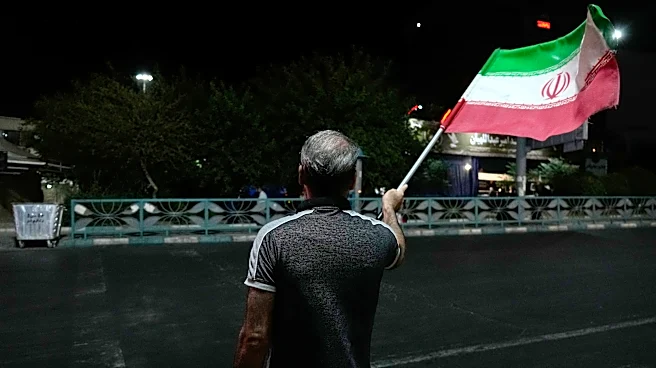
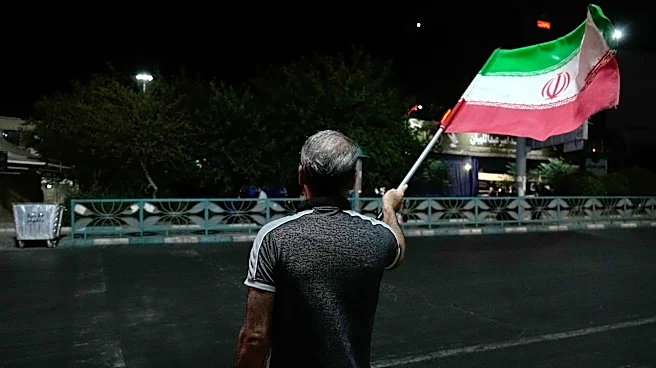
China has called for the reopening of the Strait of Hormuz following its closure by Iran amid escalating tensions with the United States. The strait, a critical passage for global oil trade, was effectively closed after intense military exchanges between
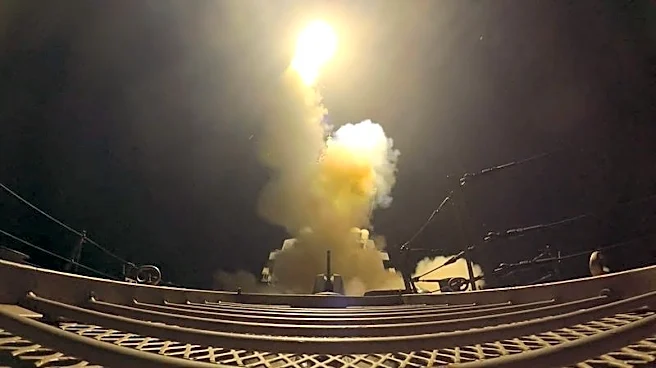
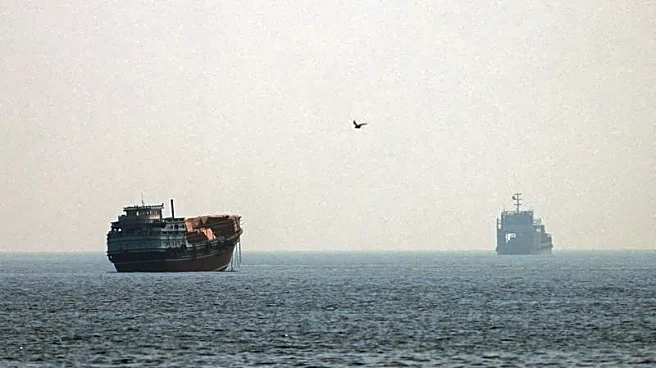
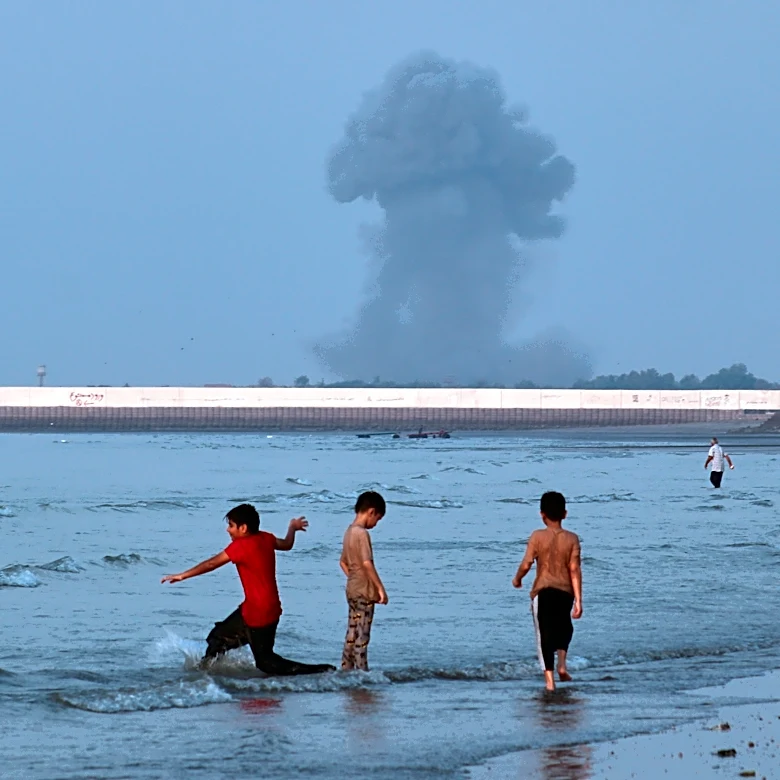
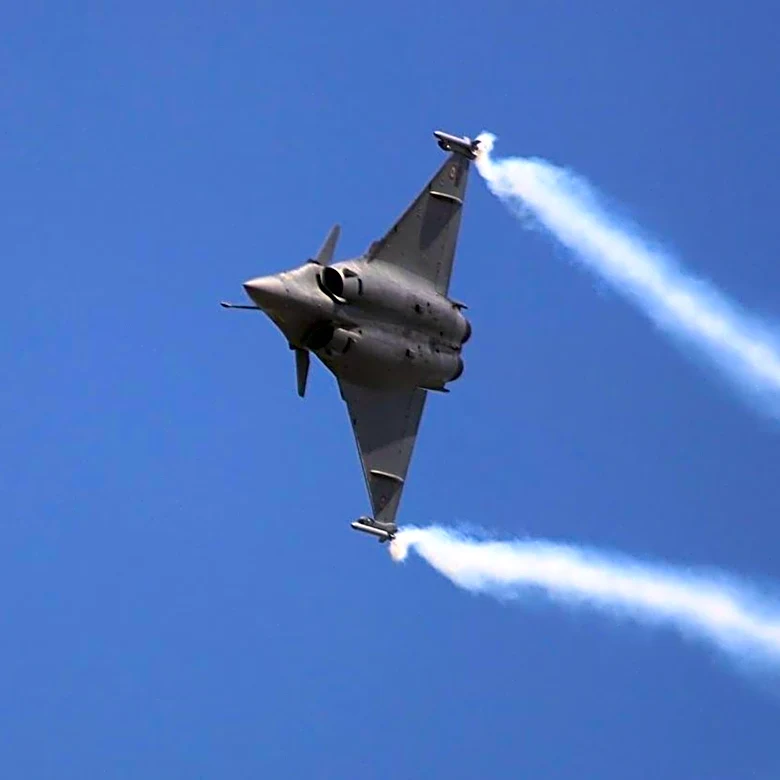
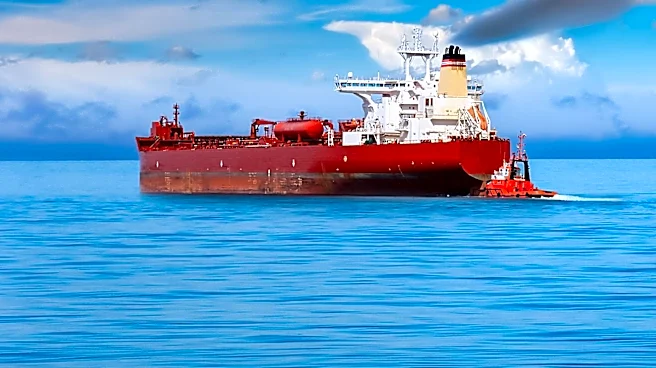
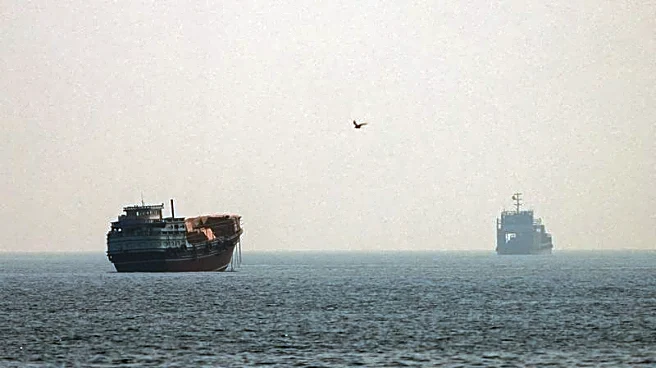
Iran and the U.S. Despite a memorandum of understanding reached in June, the situation has deteriorated, with the U.S. Central Command launching precision strikes on Iranian targets and Iran retaliating against U.S.-linked sites in the Middle East. China, a major importer of Iranian oil, has expressed its readiness to engage with involved parties to ensure safe navigation through the strait. The closure has significantly disrupted commercial shipping, with only approved companies allowed passage through the Iranian Persian Gulf Strait Authority.
Why It's Important?
The closure of the Strait of Hormuz has significant implications for global oil markets, as it is a conduit for a substantial portion of the world's seaborne oil trade. The disruption could lead to increased oil prices and heightened geopolitical tensions. China's involvement underscores its strategic interest in maintaining stability in the region, given its reliance on Iranian oil. The situation also highlights the fragile nature of the U.S.-Iran relationship and the potential for further escalation, which could impact international trade and security. The ongoing conflict poses risks to global economic stability and underscores the need for diplomatic solutions to prevent further disruption.
What's Next?
The international community is likely to monitor the situation closely, with potential diplomatic efforts to reopen the strait and de-escalate tensions. The U.S. and Iran may face pressure to engage in dialogue to prevent further military confrontations. China's role as a mediator could become more prominent, given its economic interests and influence in Tehran. The outcome of these developments will be crucial for regional stability and global energy markets. Stakeholders, including oil-importing nations and international organizations, may seek to facilitate negotiations to ensure the safe passage of oil and other goods through the strait.