





What's Happening?
The Trump administration's student loan repayment overhaul, effective July 1, 2026, has eliminated the SAVE plan, a Biden-era income-driven repayment program. This plan previously offered borrowers lower monthly payments and a faster path to debt relief.
As a result, student loan servicers began notifying borrowers in July 2026 about a 90-day window to transition to a new repayment plan. Borrowers who received these initial notices have until September 29, 2026, to select an alternative plan. Failure to choose a new plan will automatically transfer borrowers to a standard repayment plan, which typically carries the highest monthly payments. This change has led to reports of significantly higher monthly bills and difficulties in obtaining assistance from servicers for many borrowers who were previously on the SAVE plan. Notices are being sent in waves, with all SAVE borrowers expected to be informed by the end of 2026.
Why It's Important?
The elimination of the SAVE plan has significant financial implications for millions of student loan borrowers across the U.S. The transition to more expensive repayment plans could strain household budgets, potentially leading to increased financial stress and a reduction in discretionary spending. This policy shift could also impact the broader economy as consumers grapple with higher debt obligations. The move away from income-driven repayment options may disproportionately affect lower-income borrowers and those with high debt-to-income ratios, who relied on the SAVE plan for affordable payments. The increased financial burden could also contribute to higher default rates on student loans, which could have ripple effects on credit markets and financial institutions. Furthermore, the reported issues with payment calculations and servicer assistance highlight potential systemic challenges in the student loan administration process, raising concerns about borrower support and transparency.
What's Next?
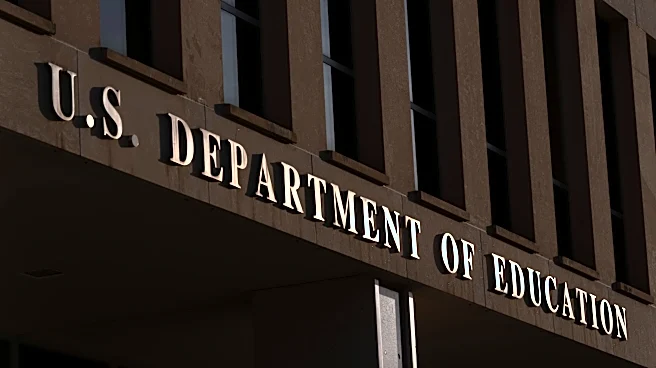
The immediate next step for many student loan borrowers is to select a new repayment plan by the September 29, 2026 deadline to avoid automatic enrollment in the most expensive standard plan. Borrowers who have not yet received their 90-day notice should anticipate it by the end of 2026. An ongoing lawsuit aims to halt the forced transfer of borrowers off the SAVE plan if they do not voluntarily transition, which could introduce further legal and administrative complexities. Democratic lawmakers, led by Senator Elizabeth Warren, have also urged the Education Department to extend the transition timeframe, citing the need for borrowers to have adequate time and information. However, the department, through Undersecretary Nicholas Kent, has maintained that the 90-day period provides sufficient time for borrowers to explore their options. The outcome of the lawsuit and any potential legislative actions will significantly shape the future landscape of student loan repayment for affected individuals.
Beyond the Headlines
The elimination of the SAVE plan and the subsequent increase in student loan payments could have broader societal and economic consequences. This policy change may exacerbate existing inequalities, particularly for individuals from marginalized communities who often rely more heavily on federal student aid and income-driven repayment plans. The increased financial burden could delay major life milestones such as homeownership, starting families, or pursuing further education, thereby impacting long-term economic mobility. Furthermore, the shift away from borrower-friendly repayment options could reignite debates about the role of government in higher education financing and the overall affordability of college. It also raises questions about the stability and predictability of federal student aid programs, potentially eroding trust among current and future students. The situation underscores the complex interplay between government policy, individual financial well-being, and the broader economic health of the nation.