







What's Happening?
A recent study conducted by Tulane University researchers has raised concerns regarding the health implications of sleeping with a light on. The study found a correlation between nighttime light exposure and an elevated risk of cardiovascular disease.
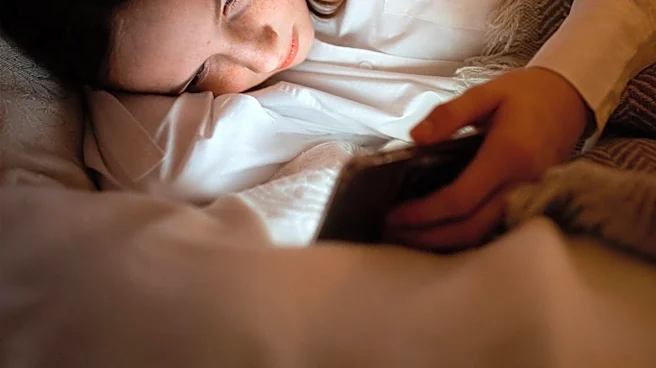
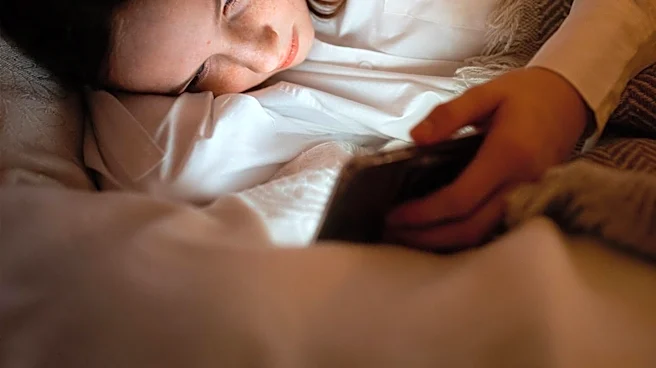
Specifically, exposure to more than 3 lux of light, which is approximately the brightness of moonlight, was associated with increased risks of several serious cardiovascular conditions. These conditions include heart failure, atrial fibrillation (an irregular and often rapid heart rhythm), heart attack, stroke, and cardiovascular death. Experts interviewed by Fox News Digital emphasized that sleep is regulated by the circadian rhythm, the brain's internal 24-hour clock. Light exposure significantly influences this rhythm by suppressing melatonin production, a hormone crucial for regulating sleep timing. Conversely, low light levels signal the brain to produce more melatonin. Light pollution in bedrooms can disrupt this natural process, leading to reduced melatonin production and negatively impacting sleep quality. Consistent poor sleep, as warned by sleep expert and neuroscientist Chelsie Rohrscheib, Ph.D., can impair essential biological processes, increasing the risk for various chronic health conditions.
Why It's Important?
This research highlights a common, yet often overlooked, environmental factor that could be significantly impacting public health in the U.S. The widespread use of nightlights, electronic devices, and ambient light in bedrooms means a large portion of the population could be unknowingly increasing their risk for severe cardiovascular diseases. The study underscores the critical role of the circadian rhythm in overall health, extending beyond just sleep quality to direct impacts on heart health. The findings suggest that even minimal light exposure during sleep can have detrimental effects, prompting a reevaluation of sleep environments. For individuals already at risk for cardiovascular issues, or those with sleep disorders like insomnia, these findings are particularly crucial, as light exposure can exacerbate existing conditions. The implications extend to healthcare providers, who may need to incorporate questions about sleep environment and light exposure into patient assessments, and to public health campaigns aimed at promoting better sleep hygiene.
What's Next?
Following these findings, it is anticipated that there will be increased public awareness campaigns regarding the importance of dark sleep environments. Healthcare professionals may begin to more actively advise patients on reducing light exposure during sleep as part of preventative cardiovascular care. Further research is likely to explore the specific mechanisms through which light exposure impacts cardiovascular health and to identify optimal light levels for sleep environments. There may also be a push for manufacturers of lighting and electronic devices to develop products that minimize disruptive blue light emissions, especially for use in bedrooms. Individuals are encouraged to adopt practices such as using blackout curtains, avoiding electronic screens before bed, and opting for dim, warm, red-toned night lights if any illumination is necessary, as these have less impact on melatonin production.
Beyond the Headlines
The Tulane University study delves into the subtle yet profound ways modern lifestyles intersect with fundamental biological processes. Beyond the immediate cardiovascular risks, the disruption of circadian rhythms by light pollution has broader implications for metabolic health, immune function, and cognitive processes. The prevalence of artificial light in contemporary society, from streetlights to personal devices, creates an environment that is often at odds with our evolutionary biology. This research underscores a growing understanding that our built environment significantly influences our health in ways that are not always immediately apparent. It also raises ethical considerations for urban planning and product design, suggesting a responsibility to create environments that support natural biological rhythms. The findings contribute to a larger body of evidence advocating for a holistic approach to health, where environmental factors like light exposure are recognized as critical determinants of well-being, alongside diet and exercise.