






What's Happening?
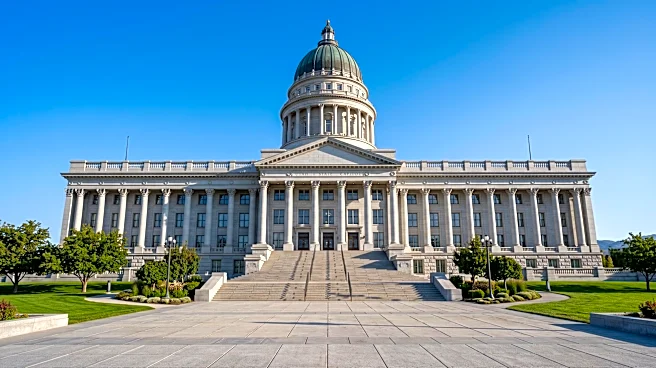
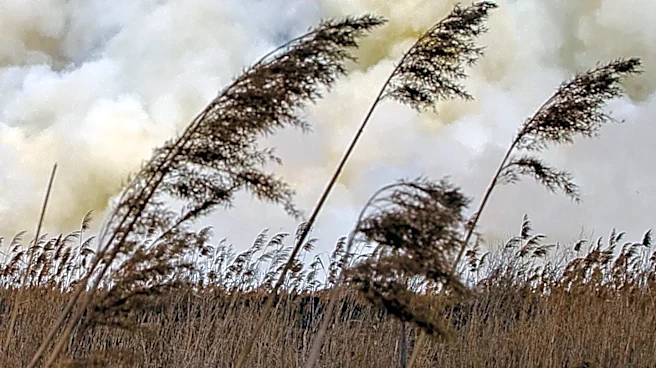
Utah state land managers informed legislators at the Utah Capitol that efforts to remove invasive phragmites around the Great Salt Lake could yield an estimated 82,000 more acre-feet of water annually. This amount is sufficient to meet the yearly indoor
water needs of a community the size of West Valley City. Lawmakers on the Legislative Water Development Commission view the eradication of these reeds as a high-priority, achievable goal in the state's broader objective to secure an additional 800,000 acre-feet of water each year. The invasive reeds, which proliferated after floods four decades ago, have displaced native plants and reduced habitat for migratory birds. Similar initiatives at Utah Lake have successfully reduced reed coverage by nearly 90%, according to Keith Hambrecht, restoration manager with the Division of Forestry, Fire, and State Lands. The state currently allocates $800,000 annually to this effort, with an additional $2.2 million set aside this year. Hambrecht indicated that consistent financial commitment could lead to the removal of most reeds around the lake within the next decade.
Why It's Important?
The initiative to remove invasive phragmites from the Great Salt Lake is crucial for Utah's water security and ecological health. The potential recovery of 82,000 acre-feet of water annually represents a significant gain for a state grappling with persistent drought conditions and increasing water demands. This effort directly impacts the availability of a vital resource for urban and agricultural use, potentially alleviating pressure on other water sources. Ecologically, the invasive reeds have degraded critical habitats for migratory birds, and their removal is essential for restoring biodiversity and the natural ecosystem of the Great Salt Lake. The success of this project could serve as a model for other regions facing similar environmental challenges, demonstrating the effectiveness of targeted restoration efforts. Furthermore, the legislative commitment and funding highlight a proactive approach to environmental management and resource conservation, which is vital for long-term sustainability in arid regions.
What's Next?
The state plans to continue its financial commitment to the phragmites removal effort, with the goal of eradicating the majority of the reeds around the Great Salt Lake within the next decade. However, the challenge extends beyond the lake's immediate shore, as phragmites are widespread throughout the watershed, including ditches, canals, and streams. Addressing these upstream sources will require more complex logistics and significantly higher costs. The panel discussed increasing coordination among counties, potentially with assistance from the Great Salt Lake commissioner, to tackle the broader watershed issue. The effectiveness of herbicide treatments, a key component of the removal strategy, is also dependent on weather patterns, with treatments prioritized during wet periods. Therefore, future efforts will need to adapt to climatic conditions to maximize success. Continued legislative support and funding will be critical for the long-term success of this comprehensive restoration strategy.
Beyond the Headlines
Beyond the immediate environmental and water supply benefits, Utah's strategy to combat invasive reeds at the Great Salt Lake touches upon broader themes of ecological resilience and inter-agency cooperation. The historical context of floods creating vulnerability to invasive species underscores the long-term consequences of environmental disturbances and the need for adaptive management. The project also highlights the economic trade-offs involved in environmental restoration, balancing the costs of removal with the economic and ecological value of recovered water and habitat. The discussion of upstream control points to the interconnectedness of ecosystems and the necessity of a holistic approach to environmental challenges, rather than isolated interventions. This effort could also foster greater public awareness and engagement in conservation, as the Great Salt Lake is a prominent natural landmark with significant cultural and recreational value. The long-term success will depend not only on funding and scientific methods but also on sustained political will and community involvement.