


What's Happening?
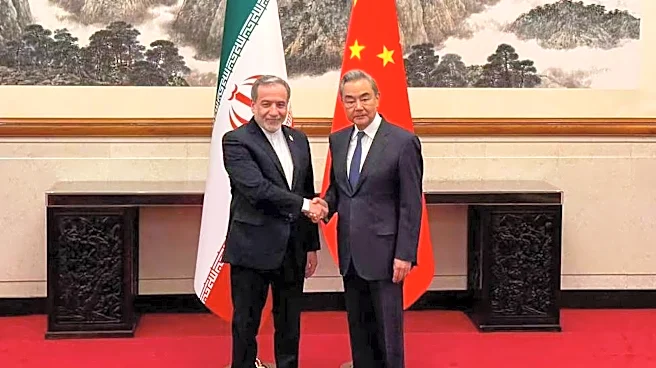
Iran is currently evaluating a proposal from the Trump administration aimed at ending the ongoing conflict, as stated by Iran's Foreign Ministry spokesperson, Esmaeil Baqaei. The proposal, which has not been publicly detailed, is being reviewed with the intention
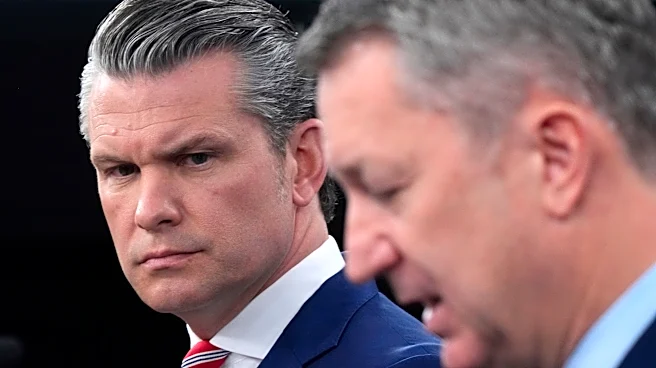
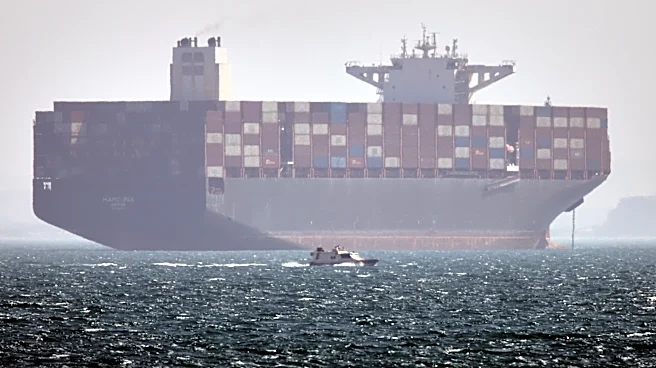
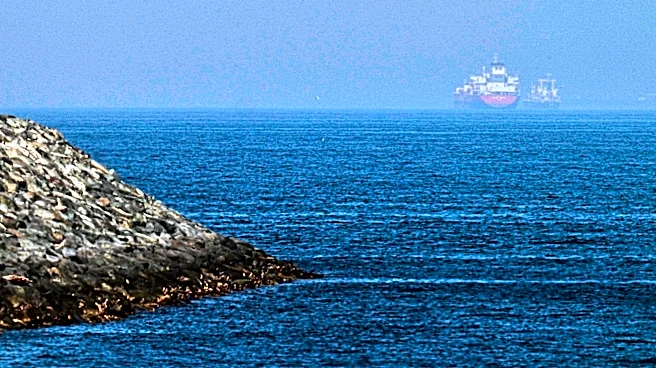
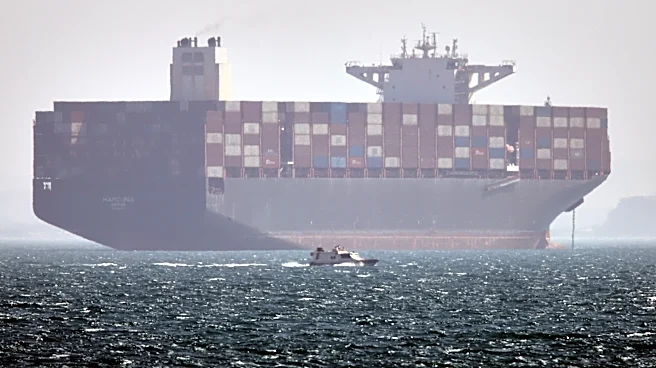
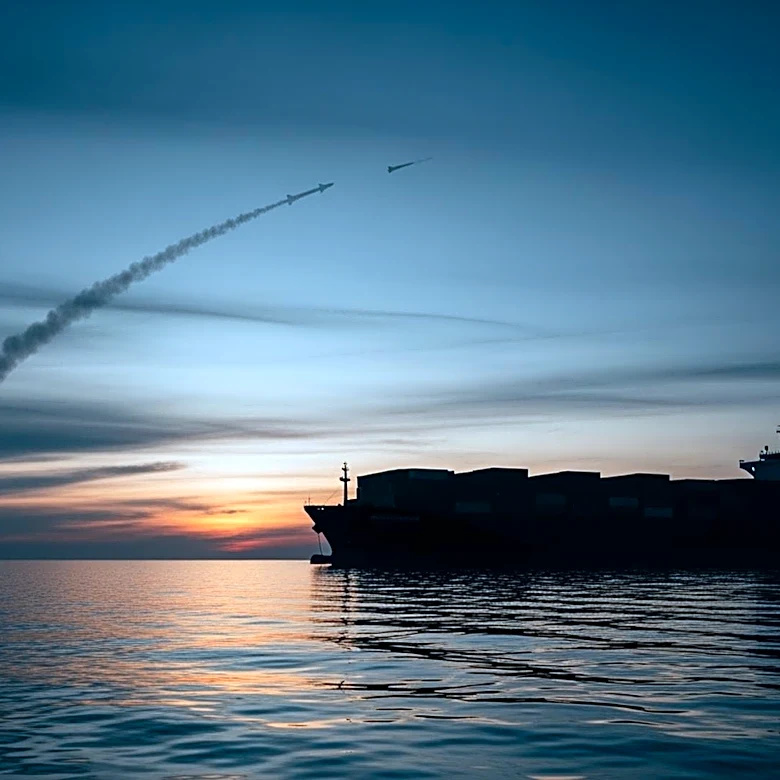
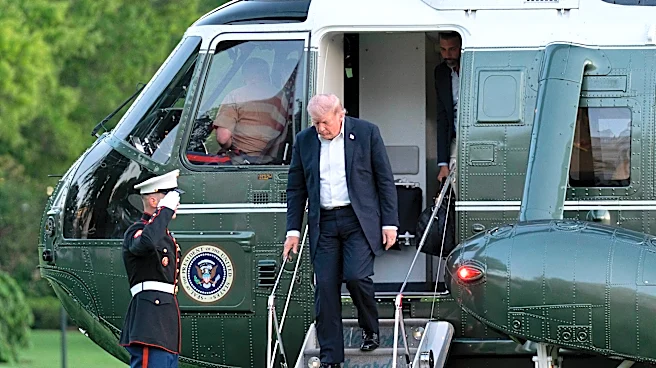
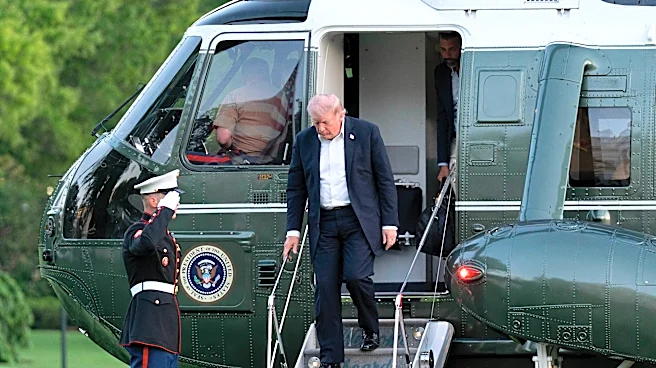
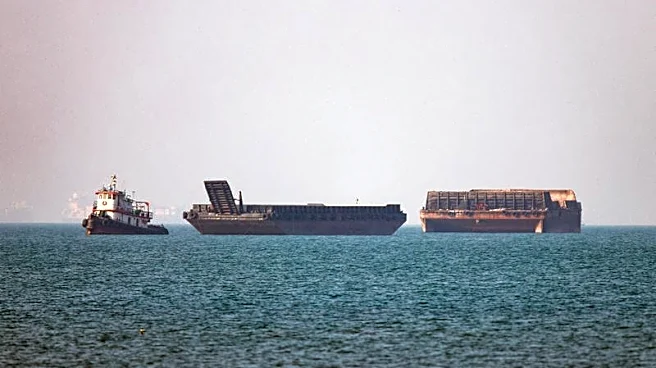
of communicating Iran's response to Pakistan, the mediating country. The situation follows a series of mixed messages from President Trump, who has threatened increased bombing if Iran does not agree to the terms. The Strait of Hormuz, a critical passageway for global oil supplies, has been effectively closed since the U.S. and Israel initiated attacks on Iran, leading to a U.S. naval blockade. The blockade has turned around 52 vessels as of the latest reports. Iran has indicated it will ensure safe passage through the strait with new protocols, although the specifics remain unclear.
Why It's Important?
The closure of the Strait of Hormuz has significant implications for global energy markets, as it is a vital route for oil and other goods. The ongoing conflict and blockade have disrupted global energy supplies, leading to increased fuel prices. The U.S. proposal, if accepted, could potentially reopen the strait, stabilizing energy markets and reducing geopolitical tensions. However, the threat of renewed bombing by President Trump adds uncertainty to the situation, potentially escalating the conflict further. The outcome of these negotiations could have far-reaching effects on international relations and economic stability.
What's Next?
Iran is expected to communicate its response to the U.S. proposal through Pakistan. The international community, particularly countries reliant on oil imports through the Strait of Hormuz, will be closely monitoring the situation. Any agreement could lead to the lifting of U.S. sanctions and a reopening of the strait, while failure to reach a deal may result in increased military action. The U.S. and Iran's next steps will be crucial in determining the future of the conflict and its impact on global markets.