







What's Happening?
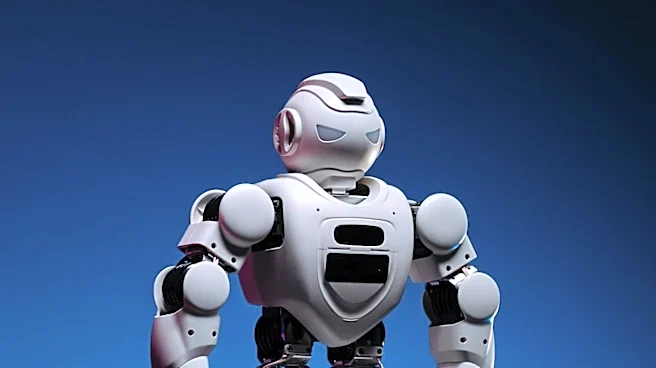
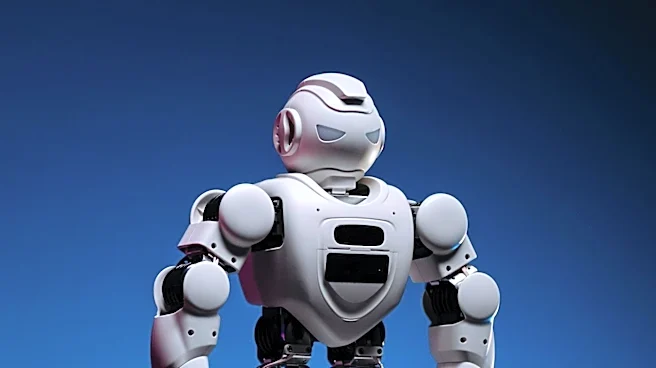
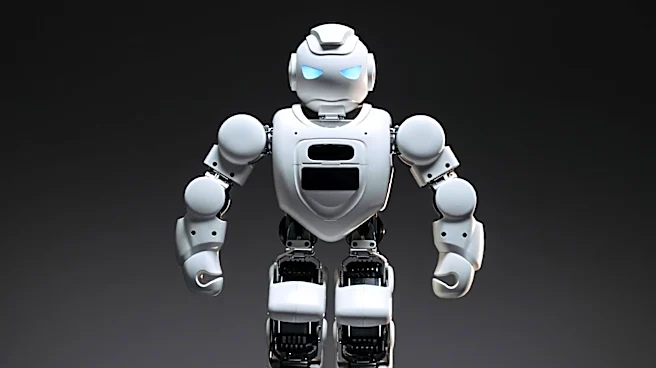
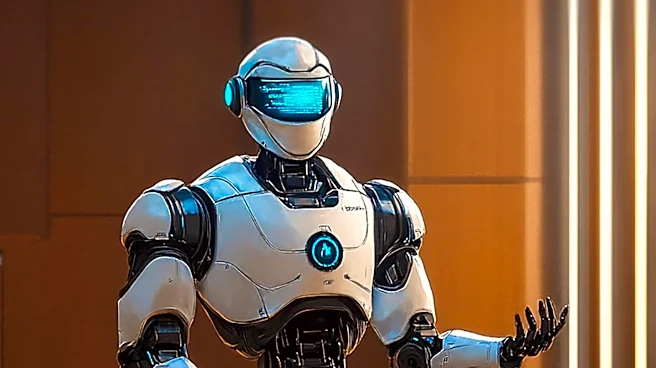
IEEE Spectrum's latest robotics video roundup showcases significant advancements in humanoid robotics and artificial intelligence. The featured humanoid, GENE.01, developed by Generative Bionics, represents a leap in Physical AI, capable of walking, sensing,
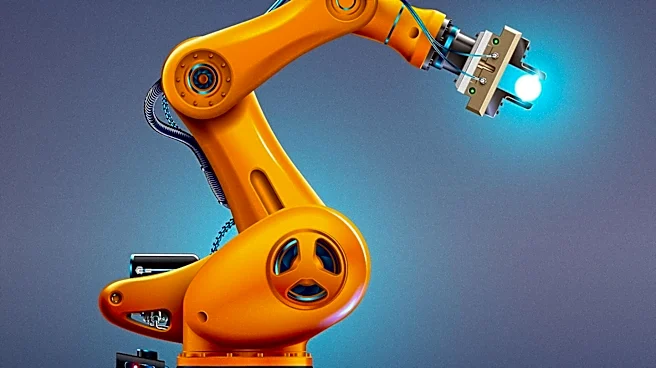
and interacting with its environment through a multimodal skin that perceives touch, proximity, force, and temperature. This development marks a step towards safer and more natural human-robot collaboration. Additionally, the GEN-1 model supports a variety of end effectors, allowing it to learn from different sensorimotor interfaces, enhancing its ability to interact with the physical world. The roundup also includes innovations such as a flat-packable flying wing made from corrugated cardboard, demonstrating potential for rapid deployment and low-cost logistics.
Why It's Important?
The advancements in humanoid robotics and AI integration have significant implications for various industries, including healthcare, logistics, and manufacturing. The ability of robots like GENE.01 to interact naturally with humans could revolutionize service industries, providing assistance in environments ranging from hospitals to homes. The GEN-1 model's adaptability to different tools and interfaces suggests a future where robots can perform a wide range of tasks, reducing the need for human intervention in hazardous or repetitive jobs. These developments could lead to increased efficiency and safety in workplaces, as well as open new markets for robotic applications.
What's Next?
As these technologies continue to evolve, we can expect further integration of AI and robotics in everyday life. The focus will likely shift towards improving the autonomy and decision-making capabilities of robots, enabling them to perform complex tasks with minimal human oversight. This could lead to broader adoption in industries such as logistics, where autonomous robots could handle tasks like inventory management and delivery. Additionally, regulatory frameworks will need to adapt to address the ethical and safety concerns associated with increased robot-human interactions.
Beyond the Headlines
The integration of AI in robotics raises important ethical and societal questions. As robots become more autonomous, issues such as job displacement and privacy concerns will need to be addressed. The development of ethical guidelines and standards for AI and robotics will be crucial to ensure that these technologies are used responsibly and for the benefit of society. Furthermore, the cultural acceptance of robots in daily life will play a significant role in their adoption, requiring public education and dialogue to address fears and misconceptions.