








What's Happening?
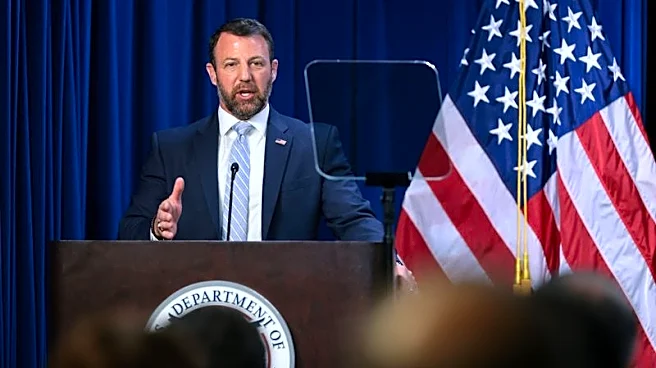
The U.S. Department of Justice (DOJ) has announced a new initiative to expedite the review of whistleblower complaints related to fraud against government benefit programs, such as Medicare. This move is part of a broader effort by the Trump administration
to prioritize fraud enforcement. The DOJ's Civil Division will now prioritize these complaints, deciding within a 60- to 120-day window whether to continue with litigation, investigate further, or dismiss the cases. This initiative aims to dismantle sophisticated fraud schemes that exploit taxpayer-funded programs. The DOJ's decision to fast-track these cases is seen as a way to maximize enforcement resources and quickly address meritorious cases.
Why It's Important?
This initiative is significant as it represents a strategic shift in how the DOJ handles fraud cases, potentially leading to quicker resolutions and more efficient use of resources. By accelerating the review process, the DOJ aims to rapidly identify and disrupt emerging fraud schemes, thereby protecting taxpayer money. This move could have a substantial impact on the healthcare industry, particularly in areas like hospice and home healthcare, which have been identified as targets for fraud. The initiative also reflects the Trump administration's focus on combating fraud, which has been a key priority. Successful claims could result in significant recoveries for the government, with whistleblowers potentially receiving a share of the recovered funds.
What's Next?
The DOJ's new approach may lead to increased scrutiny of healthcare providers and other entities involved in government-funded programs. As the DOJ implements these changes, there may be a rise in the number of fraud cases being prosecuted, potentially leading to more recoveries of fraudulently obtained benefits. The initiative could also prompt other states to establish similar task forces to combat fraud. Stakeholders in the healthcare industry and other sectors reliant on government funding will need to ensure compliance with regulations to avoid becoming targets of these expedited investigations.