






What's Happening?
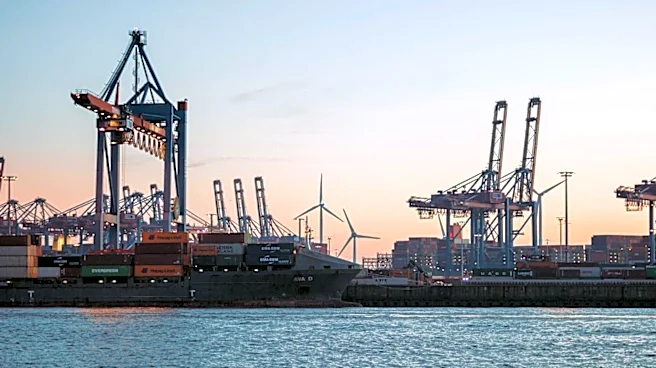
On Sunday afternoon, a significant maritime incident occurred at the Port of Tyne in the UK when the Wind Turbine Installation Vessel (WTIV) Wind Orca collided with a moored boxship, BG Orange. This collision, known as an allision, resulted in the collapse
of a gantry crane on the quayside. The incident happened as Wind Orca was departing the pier at Cadeler's offshore wind staging terminal. The crane's boom fell onto the top of BG Orange's wheelhouse, causing damage and leading to a massive emergency response. One person sustained non-life-threatening injuries and was transported to the hospital after receiving initial treatment from an air ambulance crew. The Wind Orca, a large O-class jackup WTIV operated by Cadeler, is known for its capability to install ultra-large wind turbines. It had recently been retrofitted with a 1,600-tonne mega-crane to maintain its competitive edge. The exact circumstances of the allision are still under investigation.
Why It's Important?
This incident highlights the risks associated with the operation of large maritime vessels, particularly in busy ports. The collision and subsequent crane collapse could have significant implications for port operations and safety protocols. The Port of Tyne is a critical hub for offshore wind projects, and any disruption could impact the timeline and logistics of renewable energy installations. Additionally, the incident underscores the importance of stringent safety measures and the need for comprehensive investigations to prevent future occurrences. The financial implications for Cadeler, the operator of Wind Orca, could be substantial, considering the potential for repair costs and operational delays. This event also serves as a reminder of the complexities involved in integrating large-scale renewable energy infrastructure with existing maritime operations.
What's Next?
A full investigation into the incident is underway to determine the exact cause and to prevent similar occurrences in the future. The Port of Tyne and Cadeler will likely review and possibly revise their safety and operational protocols. Stakeholders in the maritime and renewable energy sectors will be closely monitoring the outcomes of the investigation. The findings could lead to changes in regulations or industry standards, particularly concerning the operation of large vessels in port areas. Additionally, there may be insurance claims and potential legal actions resulting from the damages and injuries sustained.