







What's Happening?
Residents in Eastern Kentucky are experiencing significant increases in their energy bills, with some reporting monthly costs rising by hundreds of dollars. This surge comes as Kentucky Power, which serves 162,000 customers across 20 eastern counties,
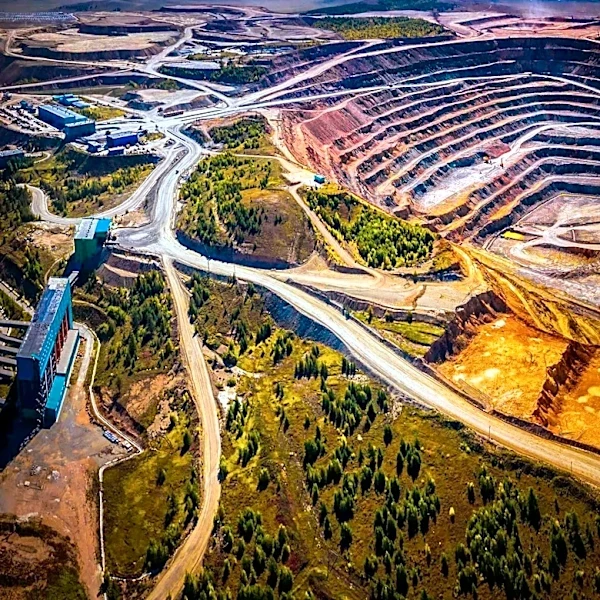
has seen a decline in its load due to the closure of coal mines and a steel mill, alongside a reduction in the number of households paying for electricity as residents leave the region. Consequently, the remaining customers are shouldering some of the highest utility bills in the state. American Electric Power, Kentucky Power’s parent company, reported a substantial profit increase, making $1.2 billion in the June-to-September quarter, up from $972 million in the same period last year. State utility regulators approved a 6% rate increase for Kentucky Power customers, effective immediately, followed by an additional 1% increase next year, which will raise the average monthly bill by $11. The utility is exploring data center projects as a potential solution to offset costs and stabilize rates.
Why It's Important?
The escalating energy costs in Eastern Kentucky highlight a critical economic challenge for a region already grappling with industrial decline and population outflow. The burden of higher utility bills disproportionately affects low-income households and essential community services, such as the Thankful Hearts Food Pantry, which has seen its electricity bill nearly triple. The situation underscores the complex interplay between utility company profitability, regional economic shifts, and consumer affordability. While utility companies like American Electric Power are reporting increased profits, the financial strain on individual customers and local organizations is intensifying. The proposed data center projects, while offering a potential large-load customer to help stabilize rates, also introduce environmental concerns and debates over transparency and equitable cost distribution, reflecting a broader national discussion on energy infrastructure and economic development.
What's Next?
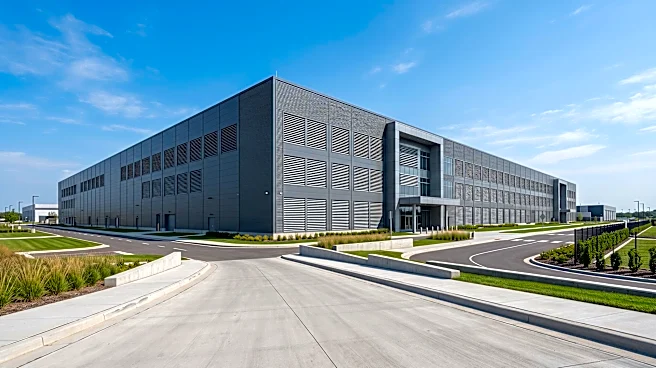
Kentucky Power is pursuing a data center project two hours north of Pikeville, which they claim could be a 'transformational opportunity' for Eastern Kentucky. This project involves building new transmission lines and a substation, with the data center developer, TeraWulf, agreeing to cover these upgrade costs if approved by state regulators, potentially preventing further rate increases for residential customers. TeraWulf has also committed to paying for a new power plant in the region, which is expected to generate jobs and tax revenue. Additionally, Kentucky Power and TeraWulf have an agreement to credit residential customers $25 for three winter months a year for 10 years, starting in 2029. However, community members express mixed feelings, citing environmental concerns and the adequacy of the proposed credits. The legal durability of Governor Andy Beshear's executive order, which prohibits utility rate increases that pass data center costs to residential customers, remains untested.
Beyond the Headlines
The situation in Eastern Kentucky reflects a broader national trend where regions facing economic transitions, such as the decline of the coal industry, seek new avenues for growth while contending with existing infrastructure and cost challenges. The debate over data centers highlights the tension between economic development, energy consumption, and environmental impact. The significant energy demands of data centers, particularly those tied to artificial intelligence, raise questions about sustainable growth and the equitable distribution of energy costs. The community's mixed reactions, ranging from hope for economic relief to concerns about environmental impact and transparency, underscore the need for comprehensive planning that balances economic incentives with social and environmental responsibilities. This scenario also brings to light the challenges of transitioning from traditional industries to new economic models, and the potential for utility rate structures to exacerbate economic disparities.