



What's Happening?
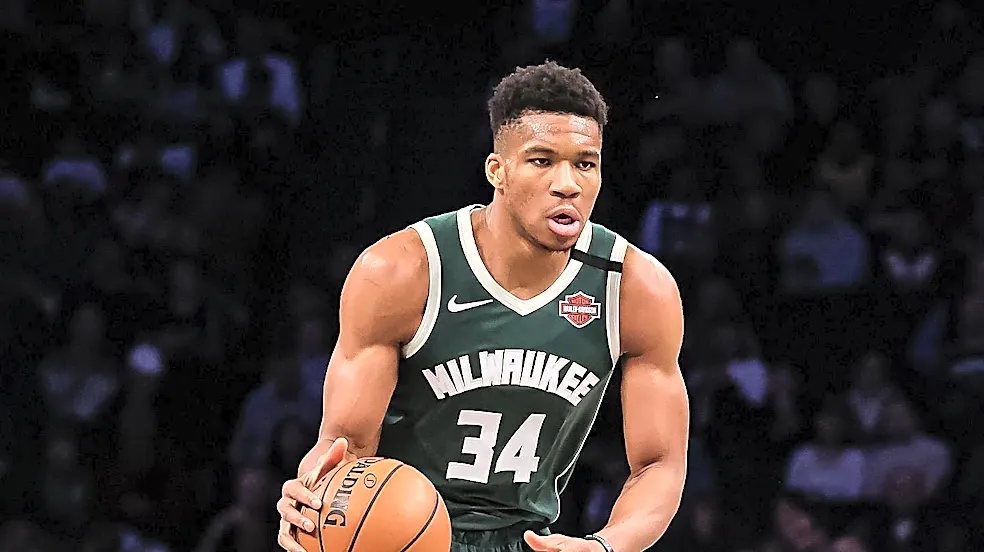
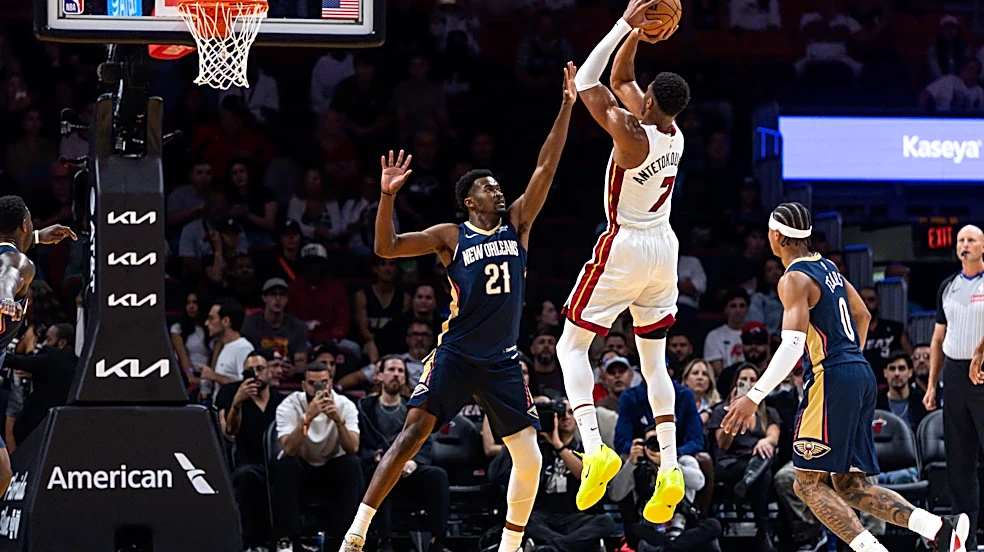
NBA star Giannis Antetokounmpo spent the first 18 years of his life stateless in Athens, Greece, despite being born there to Nigerian parents. Under Greece's nationality rules at the time, he was not automatically entitled to citizenship. His parents,
who had migrated from Lagos, lacked legal documentation, leaving Giannis and his siblings in a precarious position. This lack of citizenship created significant obstacles, including restrictions on international travel, which became a critical issue as his basketball talent began to attract international attention. The turning point came in 2013 when the Nigerian embassy in Athens reportedly offered to issue him a Nigerian passport. This development prompted the Greek Interior Ministry to accelerate his citizenship application, leading to him becoming a Greek citizen on May 9, 2013. Just 49 days later, the Milwaukee Bucks selected him as the 15th overall pick in the NBA Draft.
Why It's Important?
This situation highlights the complex challenges faced by children born to undocumented immigrant parents, even in countries where they have spent their entire lives. Antetokounmpo's case underscores how the lack of legal status can impede an individual's ability to pursue opportunities, even those with exceptional talent. The intervention by the Nigerian embassy and the subsequent acceleration of his Greek citizenship application demonstrate the critical role that nationality and documentation play in global mobility and professional careers. His story also sheds light on the broader issue of statelessness and the human impact of restrictive citizenship laws, emphasizing the anxiety and limitations experienced by families without secure legal status. The timing of his citizenship, just before the NBA Draft, was crucial for his career trajectory, allowing him to travel to the U.S. and begin his professional journey.
What's Next?
While Giannis secured his Greek citizenship, his family continued to face immigration challenges. His brothers and parents needed to navigate visa processes to join him in the United States, with his brother Kostas recalling two denials for American visas. Giannis's mother, Veronica Antetokounmpo, did not receive Greek citizenship until September 2021, three decades after her arrival in Athens and years after her son's NBA success. This indicates that securing citizenship for one family member does not automatically resolve the legal status for others. The ongoing challenges faced by his family, even after Giannis's fame, underscore the persistent complexities of immigration and citizenship laws. His story continues to be a prominent example in discussions about birthright citizenship and immigration policies globally.
Beyond the Headlines
Antetokounmpo's journey from statelessness to NBA superstardom carries profound ethical and social implications. It brings to light the moral questions surrounding the denial of citizenship to individuals born and raised within a country's borders, particularly when such policies create a class of 'stateless' persons. His experience also highlights the systemic barriers that can prevent talented individuals from reaching their full potential due to administrative and legal hurdles. The narrative challenges perceptions of national identity and belonging, demonstrating that cultural and social integration do not always equate to legal recognition. Furthermore, the story serves as a powerful testament to resilience and the transformative power of opportunity, once legal barriers are overcome. It implicitly advocates for more inclusive and humane approaches to citizenship and immigration policies worldwide.