
What's Happening?
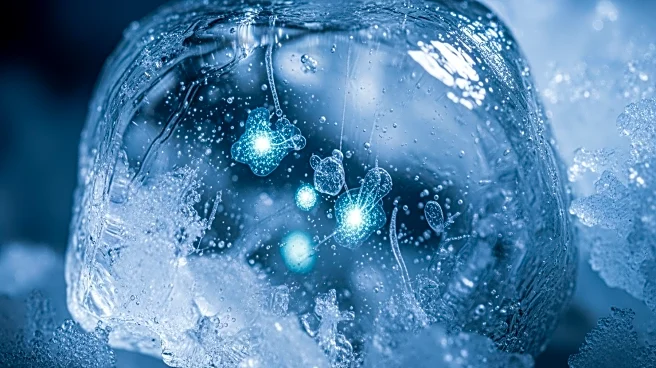
The U.S. Army Corps of Engineers has discovered 26 new species of microbes in 40,000-year-old permafrost in Fox, Alaska. These microorganisms were found in the Cold Regions Research and Engineering Laboratory
(CRREL) and have been revived in a laboratory in New Hampshire. The discovery is part of Project ICE, which aims to study how these microbes survive extreme cold to develop biotechnologies for military applications. Potential uses include creating skin creams to protect against frostbite and coatings to prevent ice buildup on military equipment. The microbes will be stored in CRREL’s Innovative, Collaborative, Exploratory Cold Regions Organism Library for Discovery in Biotechnology (ICE COLD), which houses microorganisms from various cold environments.
Why It's Important?
This discovery holds significant potential for enhancing the U.S. military's operational capabilities in extreme cold environments. By understanding how these microbes survive sub-zero temperatures, researchers can develop new technologies that could protect military personnel and equipment. This could lead to advancements in protective gear and vehicle maintenance, reducing the risks and costs associated with operating in harsh climates. The findings also contribute to the broader scientific understanding of life in extreme conditions, potentially leading to innovations beyond military applications.
What's Next?
The U.S. Army Corps of Engineers plans to continue exploring the permafrost for more undiscovered species, as over half of the bacteria found so far are new. This ongoing research could lead to further breakthroughs in biotechnology. The military and scientific communities will likely monitor these developments closely, as they could influence future strategies for operating in cold regions. Additionally, the findings may attract interest from other sectors looking to apply similar technologies in civilian contexts.