






What's Happening?
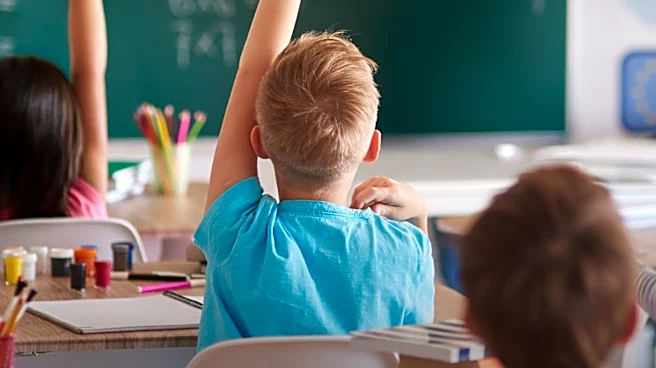
Minnesota is piloting a new kindergarten assessment called the Minnesota Kindergarten Fall Assessment (MnKFA) in 70 public schools. This assessment is designed to evaluate kindergartners' readiness through observation rather than traditional testing methods.
The MnKFA focuses on four domains: language, literacy, and communications; foundational math; social and emotional development; and approaches to learning. The initiative aims to provide a comprehensive understanding of a child's capabilities upon entering kindergarten, moving away from conventional readiness tests that often rely on computer or paper-based evaluations.
Why It's Important?
The introduction of the MnKFA represents a shift in educational assessment practices, emphasizing developmental and observational approaches over standardized testing. This change is significant as it addresses concerns about the appropriateness of traditional tests for young children and the potential stress they can cause. By focusing on observation, the MnKFA aims to provide a more holistic view of a child's development, which can better inform educators and parents about a child's needs and strengths. This approach could influence other states to reconsider their assessment methods, potentially leading to broader changes in early childhood education.
What's Next?
As the pilot program progresses, Minnesota will gather data on the effectiveness of the MnKFA and its impact on teaching practices. The results will help determine whether the assessment will be implemented statewide. Educators and policymakers will be closely watching the outcomes to assess the feasibility of adopting similar methods in other regions. The success of this pilot could lead to a reevaluation of kindergarten readiness assessments across the country, promoting a more individualized and developmentally appropriate approach to early education.
Beyond the Headlines
The MnKFA highlights the ongoing debate about the role of standardized testing in education, particularly for young children. This initiative underscores the importance of considering developmental appropriateness and the diverse backgrounds of students when designing assessments. It also raises questions about how educational systems can better support children from various environments and the role of families in the educational process. The shift towards observational assessments may encourage a broader discussion about the goals of early childhood education and how best to achieve them.