

What's Happening?
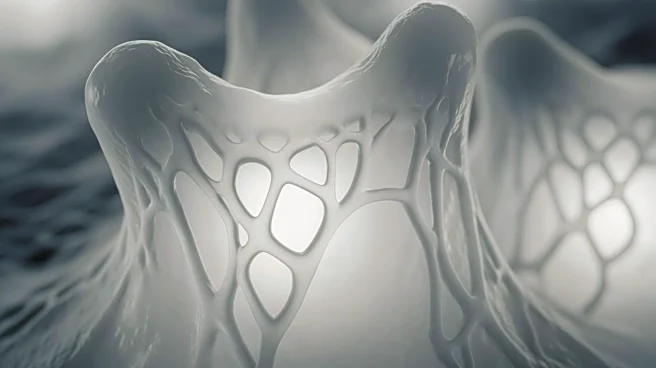
A new study published in Science reveals a breakthrough in cartilage regeneration, where researchers have successfully regrown healthy cartilage in mice without using stem cells. The study involved blocking an enzyme associated with aging, which led to
the regeneration of hyaline cartilage in aging and injured joints. This method also showed early signs of cartilage regeneration in human samples from knee replacement surgeries. The findings suggest that cartilage loss, previously considered irreversible, may be treatable by targeting specific enzymes.
Why It's Important?
This discovery has significant implications for treating osteoarthritis, a condition affecting millions of Americans and leading to chronic pain and joint replacements. By potentially reversing cartilage loss, this method could reduce the need for invasive surgeries and improve the quality of life for those with joint degeneration. The approach also aligns with a broader push towards treatments that modify the disease process rather than just alleviating symptoms, offering hope for more effective management of osteoarthritis.
What's Next?
The next steps involve further testing of the enzyme-blocking drug in human clinical trials to assess its safety and efficacy in treating joint diseases. Researchers are optimistic about the potential for this treatment to be adapted for human use, given its promising results in preclinical studies. If successful, this could lead to a new class of therapies for joint regeneration, transforming the management of osteoarthritis and related conditions.