








What's Happening?
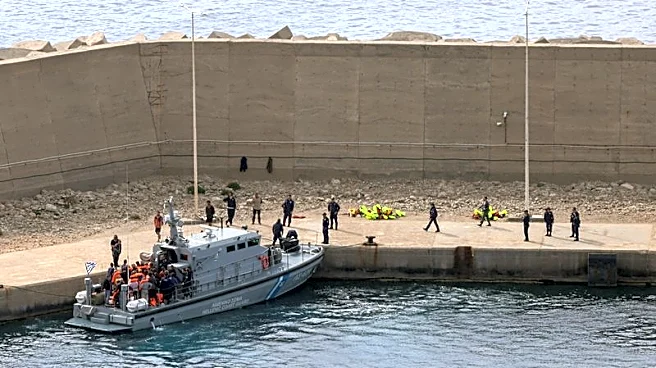
The Ashkelon Magistrate’s Court in Israel has extended the detention of two foreign activists, Saif Abu Keshek from Spain and Thiago Ávila from Brazil, who were part of a Gaza-bound flotilla intercepted by Israeli forces. The flotilla, consisting of over
50 vessels, aimed to break the Israeli blockade of Gaza and deliver supplies. The activists were detained in international waters off Greece and brought to Israel for interrogation. They face accusations of aiding the enemy during wartime and providing services to a terrorist organization. The rights group Adalah, representing the activists, claims they were subjected to extreme brutality during their detention. The activists deny the allegations, stating they had no intention of reaching Gaza or Israel.
Why It's Important?
This case highlights the ongoing tensions surrounding the Israeli blockade of Gaza and the international efforts to challenge it. The interception of the flotilla and the subsequent legal proceedings underscore the complex geopolitical dynamics in the region. The accusations against the activists, if proven, could have significant implications for international relations and the legal frameworks governing humanitarian efforts in conflict zones. The involvement of foreign nationals and the allegations of mistreatment raise concerns about human rights and the treatment of activists by Israeli authorities. The case also reflects the broader international debate over the legitimacy and impact of the blockade on Gaza's civilian population.
What's Next?
The court's decision to extend the activists' detention suggests that further legal proceedings are likely. The case may attract international attention and diplomatic responses, particularly from the activists' home countries. Human rights organizations may increase their advocacy efforts, calling for transparency and accountability in the treatment of detainees. The legal outcome could influence future actions by pro-Palestinian groups and the international community's approach to the Israeli-Palestinian conflict. Additionally, the case may prompt discussions on the legal and ethical implications of blockades and humanitarian interventions in conflict zones.