


What's Happening?
President Trump has outlined his strategy towards Iran, emphasizing the prevention of nuclear weapon development while maintaining military pressure. In his State of the Union address, Trump highlighted the deployment of U.S. military assets in the Persian
Gulf as a deterrent, while expressing a preference for diplomatic solutions. Iran has publicly denied pursuing nuclear weapons, yet skepticism remains due to its past uranium enrichment activities. The U.S. demands Iran halt its nuclear and missile programs and dismantle its network of proxy fighters. In exchange, Trump offers the prospect of lifting economic sanctions, potentially reintegrating Iran into the global economy.
Why It's Important?
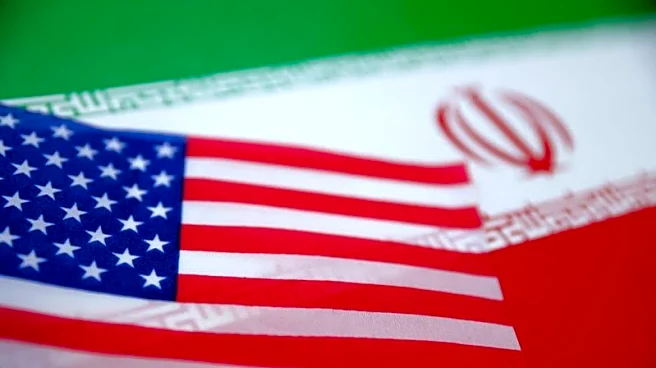
Trump's approach to Iran is pivotal in shaping U.S. foreign policy and its influence in the Middle East. The strategy aims to curb Iran's military capabilities while offering economic incentives, reflecting a blend of hard and soft power tactics. The outcome of this strategy could redefine U.S.-Iran relations and impact global security, particularly if it leads to a reduction in regional tensions. The potential lifting of sanctions could also have significant economic implications, affecting global oil prices and trade dynamics. However, the success of this strategy hinges on Iran's willingness to comply with U.S. demands.
What's Next?
The U.S. and Iran are expected to continue negotiations, with the international community closely watching for any breakthroughs. The U.S. may need to clarify its strategic objectives and red lines to facilitate progress. Iran's response to U.S. demands will be critical in determining the path forward. The potential for military conflict remains if diplomatic efforts fail, underscoring the high stakes involved. Future developments will likely influence U.S. relations with other Middle Eastern countries and global powers, shaping the broader geopolitical landscape.