




What's Happening?
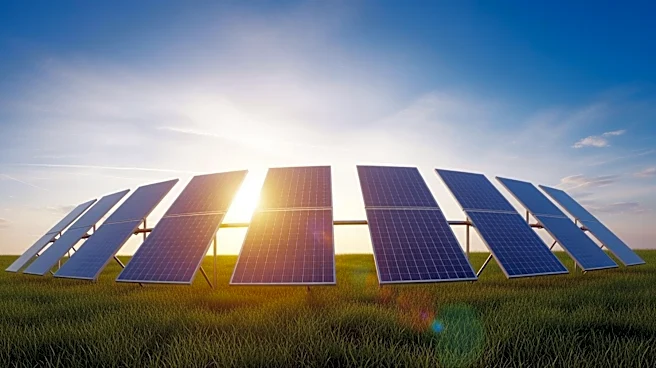
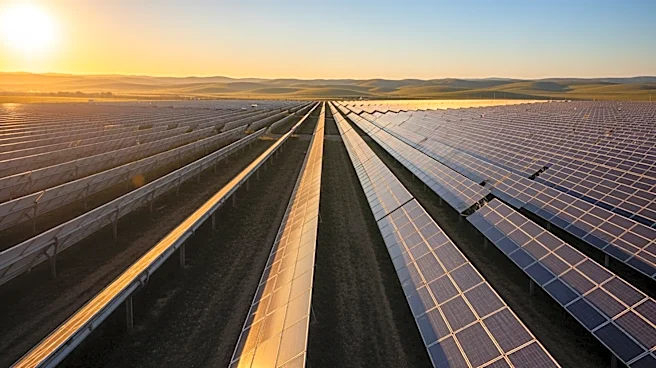
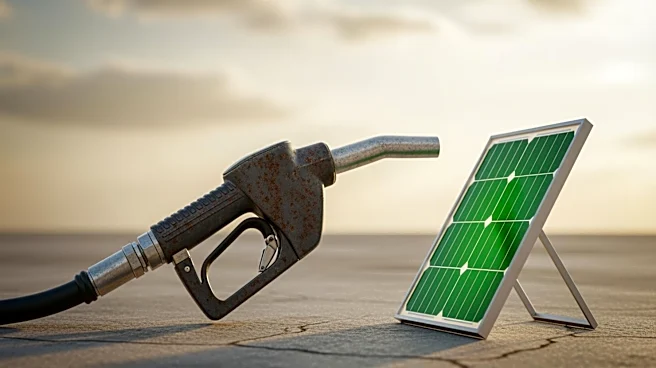
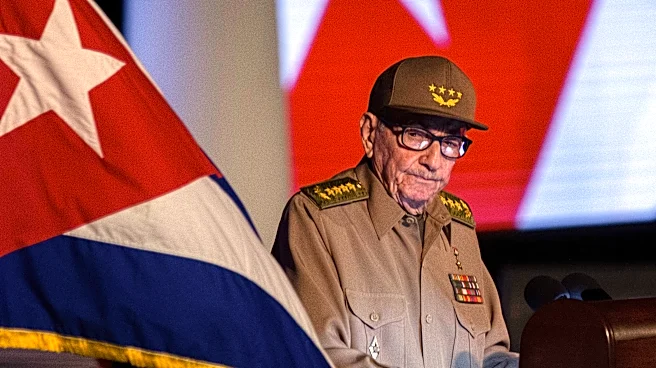
Cuba is experiencing significant energy challenges, leading many residents to turn to alternative sources like solar power and charcoal for cooking. The Cuban government has announced plans to transition to renewable energy over the next 24 years, aiming
for greater energy sovereignty. However, achieving 100% renewable energy by 2050 appears unlikely without substantial investments. The current energy crisis has forced residents like Lisbet Reyes to use charcoal, which is both time-consuming and poses health risks due to smoke inhalation. The cost of charcoal is also burdensome, given the low average salaries in Cuba.
Why It's Important?
The energy crisis in Cuba highlights the broader challenges faced by countries with limited resources in transitioning to renewable energy. The reliance on charcoal and wood for cooking not only impacts health but also raises environmental concerns. The Cuban government's ambitious renewable energy goals underscore the need for significant investment and innovation to overcome these challenges. The situation also reflects the economic hardships faced by Cubans, with energy shortages exacerbating daily struggles. This scenario could influence U.S. policy and aid considerations, as well as international investment in Cuba's energy sector.
What's Next?
Cuba's path to renewable energy will require international support and investment, particularly in technologies like solar and biomass. The government may seek partnerships to develop its energy infrastructure, potentially involving foreign companies or governments. The ongoing energy crisis could lead to increased public pressure on the government to expedite its renewable energy plans. Additionally, the health impacts of using charcoal may prompt public health initiatives to mitigate risks. The success of Cuba's energy transition will depend on its ability to attract investment and implement effective policies.
Beyond the Headlines
The reliance on charcoal in Cuba raises ethical and environmental questions about energy access and sustainability. The health risks associated with smoke inhalation highlight the need for safer cooking alternatives. The situation also reflects broader global challenges in achieving energy equity and sustainability. Cuba's experience could serve as a case study for other developing nations facing similar energy transitions. The cultural and social impacts of energy shortages, such as changes in daily routines and community resilience, are also significant.