







What's Happening?
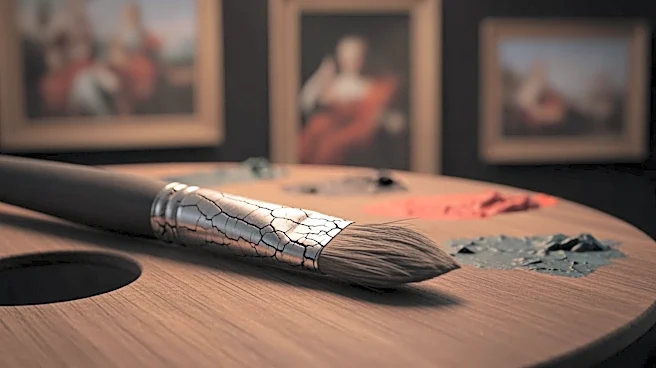
Erwin Bankowski and his daughter, Karolina Bankowska, from Lawrence, New Jersey, have pleaded guilty to orchestrating a five-year scheme involving the sale of over 200 counterfeit artworks. These works were falsely attributed to renowned artists such
as Andy Warhol, Pablo Picasso, and Banksy, among others. The fraudulent activities, which took place between 2020 and 2025, defrauded buyers of at least $2 million. The counterfeit pieces were sold through reputable galleries and auction houses across the United States, with prices ranging from $2,000 to $160,000. The duo used forged gallery stamps and certificates of authenticity to deceive buyers. They are facing recommended prison terms of 33 to 41 months, and prosecutors are seeking restitution of at least $1.9 million.
Why It's Important?
This case highlights significant vulnerabilities in the art market, where the authenticity of artworks can be difficult to verify, making it susceptible to fraud. The scheme not only defrauded collectors but also undermined trust in galleries and auction houses. The involvement of high-profile artists' names in the forgeries could have long-term implications for the valuation and marketability of genuine works by these artists. Additionally, the case underscores the importance of due diligence and authentication processes in art transactions. The invocation of the Indian Arts and Crafts Act in the charges also emphasizes the legal protections in place for Native American art, highlighting the cultural sensitivity and legal ramifications of falsely marketing such works.
What's Next?
The sentencing of Erwin Bankowski and Karolina Bankowska is pending, with both facing potential prison terms. The case may prompt galleries and auction houses to enhance their authentication processes to prevent similar frauds in the future. Legal experts and art market stakeholders might advocate for stricter regulations and more robust verification systems to protect buyers and preserve the integrity of the art market. The restitution process will aim to compensate the defrauded buyers, although recovering the full amount may be challenging.