


What's Happening?
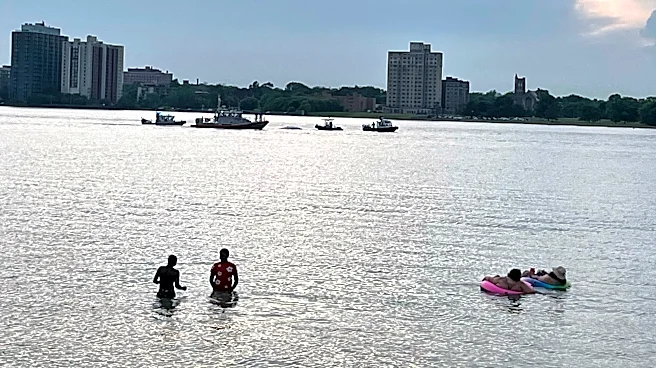
Minneapolis is dealing with significant budgetary challenges, with the police department expected to exceed its budget by $23 million due to overtime costs related to recent public safety operations. Meanwhile, environmental concerns have led to the closure
of six beaches due to blue-green algae and E. coli. These issues are part of broader challenges facing the city, including debates over public safety funding and environmental health. The city is also witnessing unique social activities, such as large gatherings of electric scooters and e-bikes, reflecting changing urban dynamics.
Why It's Important?
The budgetary and environmental issues in Minneapolis highlight the complex challenges urban areas face in balancing public safety, fiscal responsibility, and environmental health. The city's decision to increase police funding despite budget overruns may influence public debates on resource allocation and community safety strategies. Additionally, the environmental closures underscore the importance of addressing ecological health to ensure public safety and quality of life. These developments could impact local policy decisions and serve as a case study for other cities facing similar challenges.
What's Next?
Minneapolis will need to address its budgetary shortfall while considering public safety and environmental priorities. This may involve exploring alternative funding strategies or reallocating resources to balance fiscal constraints with community needs. The city may also need to enhance its environmental monitoring and response capabilities to prevent future closures and protect public health. Ongoing community engagement and policy discussions will be crucial in shaping the city's approach to these challenges and ensuring sustainable urban development.