



What's Happening?
The Jerusalem District Planning and Building Committee has granted final approval for a significant urban redevelopment project centered around the historic Orion Cinema complex. This comprehensive plan aims to revitalize a prominent area in Jerusalem's
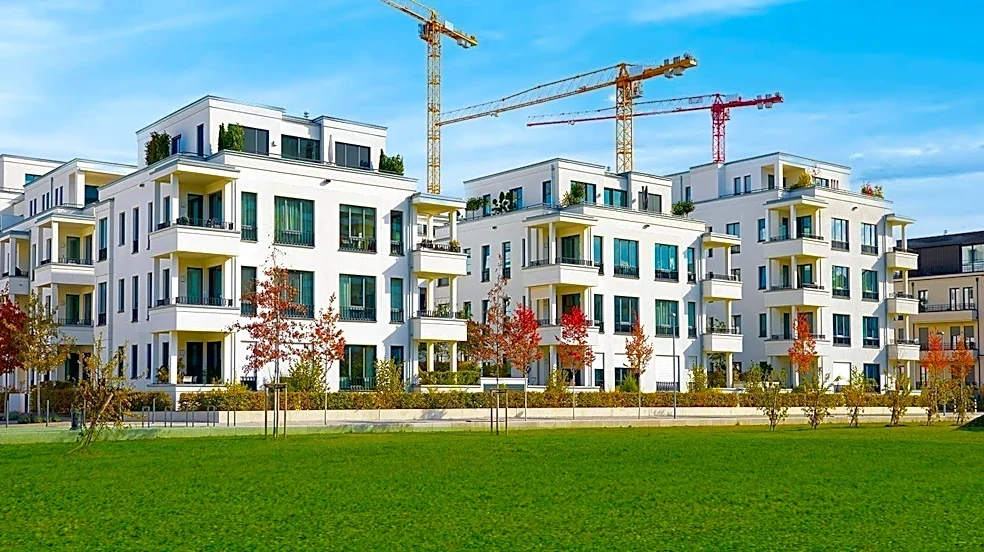
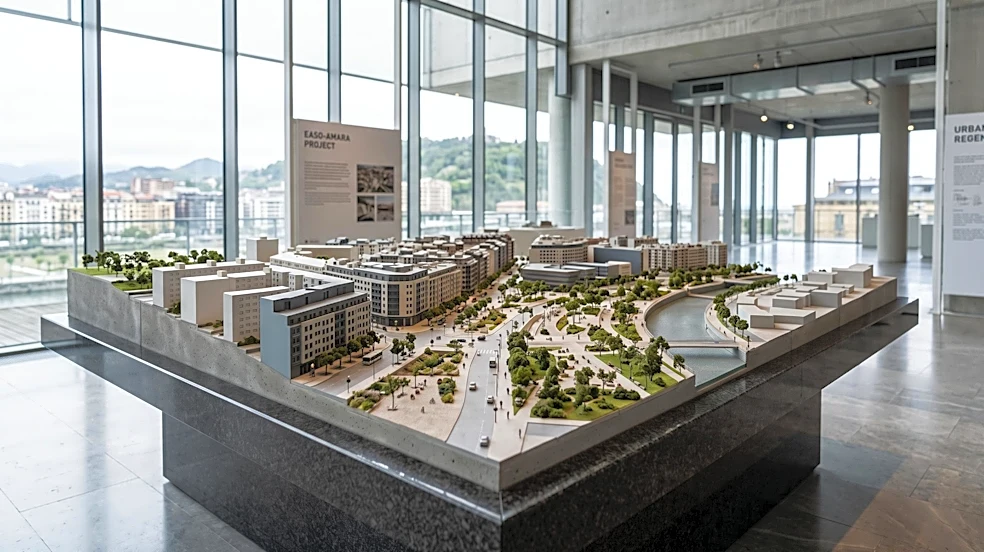
city center through a mixed-use development. The project includes the construction of two residential towers, one 34 stories high and the other 30 stories, which will house a total of 202 apartments. Additionally, a 12-story hotel with 140 rooms and various commercial storefronts will be integrated into the complex. A key feature of the plan is the establishment of a green urban plaza designed to serve as a public space for recreation and social gatherings, enhancing connectivity between Hillel, Shammai, and Histadrut streets. Crucially, the project also mandates the preservation and reopening of the historic Orion Cinema as a movie theater and cultural venue, retaining its distinctive architectural features after being closed for 30 years. The plan also includes approximately 3,300 square meters for public facilities, such as a college, school, or other cultural institutions.
Why It's Important?
This urban transformation project holds significant importance for Jerusalem's city center, aiming to inject new life and functionality into a historically rich area. The addition of 202 residential units, including smaller apartments, addresses housing needs within the city, while the new hotel and commercial spaces are expected to boost local commerce and tourism. The creation of a central green urban plaza signifies a commitment to improving public spaces and promoting walkability, which can enhance the quality of life for residents and visitors. The preservation and restoration of the Orion Cinema are particularly noteworthy, as it ensures the continuity of a significant cultural landmark. This approach, combining modern development with historical preservation, sets a precedent for urban planning in areas with deep historical roots, demonstrating how cities can evolve while honoring their heritage. The project's scale and mixed-use nature are designed to create a vibrant, self-sustaining urban hub.
What's Next?
With the final approval from the Jerusalem District Planning and Building Committee, the project is set to move forward into its implementation phases. The Tanufa company, the initiator of the project, in collaboration with Ian Bader Architects, will proceed with detailed planning and construction. Future steps will involve securing necessary permits for construction, followed by the actual building of the residential towers, hotel, and commercial spaces. The restoration of the Orion Cinema will be a critical component, aiming to bring it back into operation as a cultural venue. The establishment of the green urban plaza will also be a key focus, as it is intended to become a central public gathering space. The project's progress will likely be closely watched as it represents a significant model for urban renewal that balances development with heritage preservation in a major historical city.
Beyond the Headlines
The Jerusalem urban transformation project extends beyond its immediate physical developments, touching upon broader themes of urban identity, cultural preservation, and sustainable growth. The decision to integrate modern skyscrapers with the meticulous restoration of a historic cinema reflects a complex negotiation between progress and heritage. This approach could serve as a case study for other global cities grappling with similar challenges of modernization in historic districts. Ethically, it highlights the responsibility of urban planners to ensure that new developments enhance, rather than erase, the existing cultural fabric. The emphasis on public spaces, such as the green urban plaza, also underscores a growing recognition of the importance of communal areas in fostering social cohesion and well-being in dense urban environments. This project could influence future urban planning policies by demonstrating a successful model for creating dynamic, mixed-use urban centers that respect and leverage historical assets.