





What's Happening?
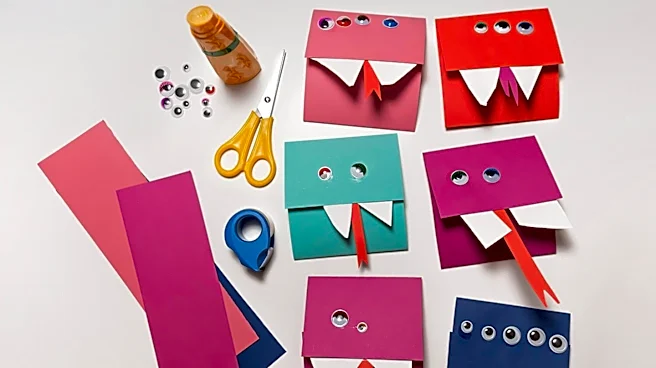
Kansas City artist Harold Briscoe has initiated a public art installation titled 'Don't Be a Monster' to promote mental health awareness during Mental Health Awareness Week. Briscoe is personally present at the Mill Creek Fountain daily from 3:30 to 6:30
p.m., engaging with the public and sharing messages about trauma, awareness, and healing. The installation serves as a visual metaphor, encouraging individuals to confront and process their hidden traumas, such as anger, fear, loss, anxiety, and pain. Briscoe emphasizes that meaning can be derived from how people deal with trauma, stating, 'Trauma can distort you. Awareness can restore you.' He aims to highlight the availability of dedicated and compassionate support for those seeking help with their mental health.
Why It's Important?
This initiative is important as it directly addresses the stigma surrounding mental health, particularly for men who often feel pressured to suppress their emotions and problems. By creating a public and interactive space, Briscoe's installation encourages open dialogue about mental health challenges, fostering a sense of community and shared experience. The emphasis on confronting 'hidden scars' like anger, fear, and anxiety can help individuals recognize and validate their struggles, which is a crucial first step towards healing. The project also underscores the broader societal need for accessible mental health resources and the importance of seeking help, potentially inspiring more people to reach out to the 'dedicated, compassionate people' Briscoe mentions are available in the area. This public engagement can contribute to a more supportive and understanding environment for mental well-being in Kansas City.
What's Next?
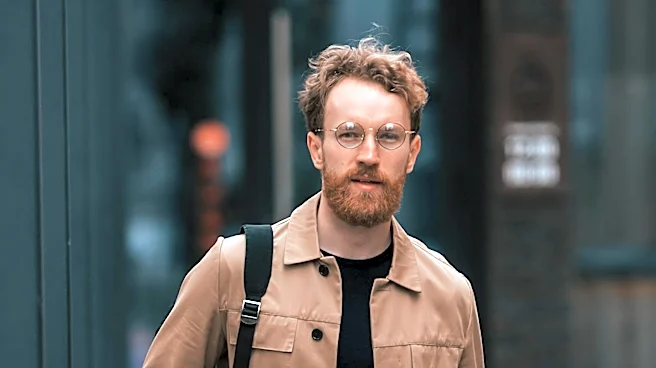
Harold Briscoe will continue to be present at the Mill Creek Fountain every day this week from 3:30 to 6:30 p.m., offering an ongoing opportunity for public engagement and discussion about mental health. The continued presence of the artist and the installation is expected to further spark conversations and raise awareness throughout Mental Health Awareness Week. The interaction with visitors, such as Pascal Lippert, who was inspired to speak more openly about mental health, suggests that the installation will continue to have a direct impact on individuals. The project's success may also inspire similar public art initiatives in other communities, potentially leading to broader adoption of creative approaches to mental health advocacy.
Beyond the Headlines
The 'Don't Be a Monster' installation delves into the deeper psychological and cultural aspects of trauma and healing. By framing the experience as a 'visual metaphor,' Briscoe encourages a more introspective and symbolic understanding of personal struggles. The project subtly challenges traditional notions of masculinity, which often discourage men from expressing vulnerability, as highlighted by Pascal Lippert's comment about men feeling 'weak' when discussing their problems. This initiative contributes to a cultural shift towards destigmatizing mental health conversations and promoting emotional literacy. Furthermore, the use of public art as a medium for social commentary and healing demonstrates the powerful role that creative expression can play in addressing complex societal issues, fostering empathy, and building a more supportive community fabric.