








What's Happening?
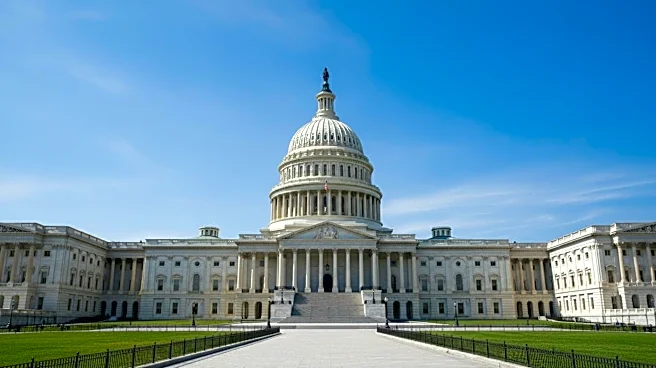
The U.S. House of Representatives has passed the Financial Exploitation Prevention Act of 2025 with a bipartisan vote of 414-2. This legislation aims to protect older adults and individuals with disabilities from financial fraud by allowing mutual funds
and exchange-traded funds to pause redemption requests if financial exploitation is suspected. The bill, sponsored by Rep. Ann Wagner, R-Mo., seeks to provide an additional layer of defense for vulnerable populations against the increasing prevalence of financial scams. The bill also mandates the Securities and Exchange Commission to report to Congress on potential regulatory and legislative measures to further reduce financial fraud among vulnerable adults. The legislation now moves to the Senate, where its future remains uncertain.
Why It's Important?
The passage of this bill is significant as it addresses the growing issue of financial fraud targeting older adults, a demographic that reported $2.4 billion in fraud losses in 2024 alone. The Federal Trade Commission estimates that actual losses could be as high as $81.5 billion due to underreporting. By allowing financial institutions to delay transactions suspected of exploitation, the bill aims to prevent substantial financial losses for older adults. This legislative effort reflects a broader societal need to protect vulnerable populations from sophisticated scams, which have seen a dramatic increase in recent years. The bill's success could lead to more robust protections and awareness, potentially reducing the financial impact on older adults and their families.
What's Next?
The bill now awaits consideration in the Senate, where its companion bill, S. 2840, is pending in the Banking Committee. The outcome in the Senate will determine whether these protections become law. If passed, financial institutions will need to implement procedures to identify and act on suspected financial exploitation cases. Additionally, the SEC's forthcoming report could influence future regulatory and legislative actions aimed at further safeguarding vulnerable adults from financial fraud. Stakeholders, including financial institutions and advocacy groups for older adults, will likely monitor the bill's progress and prepare for its potential implementation.