




What's Happening?
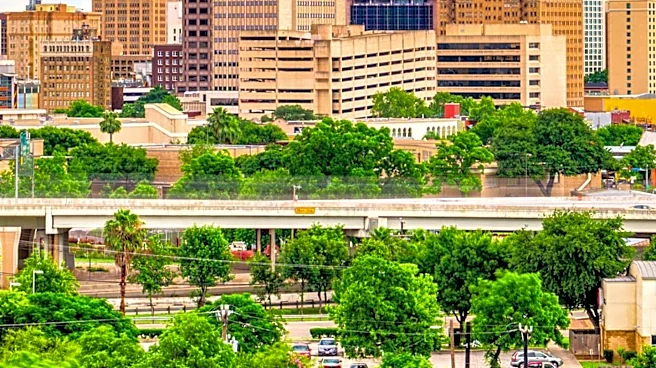
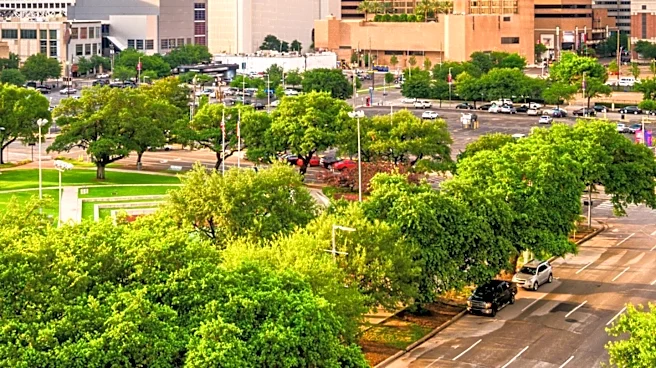
San Antonio, Texas, a city with over 300 years of history, continues to celebrate its deep cultural heritage and diverse community. Originally founded on the site of a Coahuiltecan Native American village, the city grew from a presidio, town, and five
Franciscan missions. Today, San Antonio is the seventh-largest city in the U.S., attracting over 30 million visitors annually to attractions like the River Walk, the Alamo, and Hemisfair Park. In 2015, the Alamo and San Antonio Missions National Historic Park received recognition as a UNESCO World Heritage Site. The city is known for its confluence of rich and diverse cultures, fostering a community where people of various backgrounds coexist and thrive. San Antonio is also a majority-minority city, boasting a vibrant and growing art scene, a downtown filled with niche restaurants and boutiques, and annual city-wide festivals. Notably, it hosts one of the nation's largest MLK Day marches, drawing an estimated 300,000 participants.
Why It's Important?
San Antonio's commitment to preserving and celebrating its cultural heritage is vital for both its local identity and its national standing. As a major U.S. city that is also a majority-minority area, San Antonio serves as a model for cultural integration and community building. Its historical sites, like the UNESCO-recognized Alamo and San Antonio Missions, contribute significantly to the national narrative of American history and attract substantial tourism, boosting the local economy. The city's vibrant arts scene and diverse culinary offerings enhance its appeal as a cultural destination. Furthermore, hosting one of the largest MLK Day marches in the nation underscores its role in promoting civil rights and social justice, reflecting a broader commitment to inclusivity and historical remembrance that resonates across the country.
What's Next?
San Antonio is expected to continue its efforts in promoting its cultural and historical assets, likely leading to sustained tourism growth and further recognition of its unique identity. The ongoing development of its art scene and downtown areas suggests a continued focus on urban revitalization and cultural enrichment. The city's annual festivals and events, including the large MLK Day march, will likely remain key components of its community engagement and public image. These initiatives are anticipated to further solidify San Antonio's reputation as a diverse and culturally rich metropolitan area, potentially attracting new residents and businesses seeking a vibrant and inclusive environment. Continued investment in infrastructure and cultural programs will be crucial to maintaining this trajectory.
Beyond the Headlines
Beyond its immediate economic and social benefits, San Antonio's emphasis on its diverse heritage highlights a deeper societal trend towards recognizing and valuing multiculturalism. The city's success in integrating various cultural backgrounds into a cohesive community offers valuable lessons for other urban centers grappling with similar demographic shifts. The preservation of historical sites like the Alamo, while celebrating indigenous and colonial histories, prompts ongoing discussions about national identity and historical interpretation. San Antonio's role as a majority-minority city also underscores evolving demographics in the U.S. and the importance of inclusive governance and representation. This cultural richness contributes to a unique civic identity that fosters social cohesion and a strong sense of place for its residents.