





What's Happening?
Americans are facing the highest Labor Day gas prices on record, with average prices expected to reach at least $4.03 per gallon, surpassing the 2012 record of $3.83. This surge in fuel costs, particularly for gasoline and diesel, is putting significant
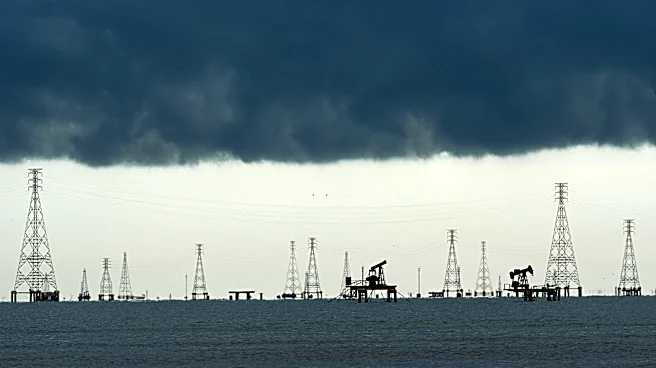
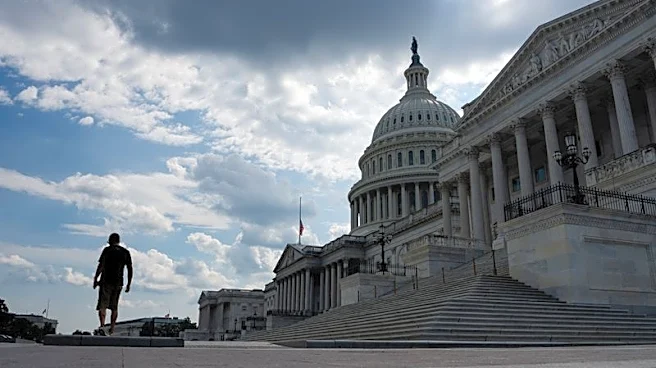
pressure on the Trump administration. Diesel prices have also hit an all-time high of $5.8500 per gallon, exceeding the previous record set in June 2022. The administration has taken several actions, including calling refining executives to the White House, announcing an oil deal with Venezuela, and launching new airstrikes in response to Iranian attacks on tankers. Additionally, regulations have been eased to speed up fuel deliveries, and a historic amount of oil has been released from the Strategic Petroleum Reserve, which is now at its lowest level since the early 1980s. Despite these efforts, officials acknowledge there are no easy solutions to the current fuel crisis, which is exacerbated by a global refining shortage and geopolitical tensions.
Why It's Important?
The escalating fuel prices have a substantial impact on the U.S. economy and its citizens. Higher gasoline costs directly affect household budgets, with Americans already paying an additional $97 billion due to increased gas and diesel prices since the start of the Iran conflict, amounting to over $740 per U.S. household. The surge in diesel prices is particularly critical as diesel is essential for powering trucks, tractors, trains, and construction vehicles, making it the 'lifeblood of the economy.' This directly translates to increased costs for transportation, agriculture, and various industries, potentially leading to higher prices for goods and services across the board. The situation also poses a political challenge for the Trump administration ahead of the midterms, as affordable energy was a key campaign promise. The global refining shortage, with three out of four major hubs in crisis, highlights a systemic vulnerability that makes short-term solutions difficult and underscores the interconnectedness of global energy markets.
What's Next?
The Trump administration is likely to continue exploring options to alleviate the fuel crisis, though officials concede that easy solutions are not available in the short term. Efforts to ramp up U.S. refining capacity are being discussed with refining executives, but building new refineries is a complex and time-consuming process, potentially taking years and billions of dollars. The oil deal with Venezuela, while significant, is not expected to provide a substantial increase in global oil supply for many years, possibly not until 2035. The ongoing geopolitical tensions, particularly with Iran, suggest that the situation could worsen before improving, as Rapidan Energy Group founder Bob McNally noted that Iran is 'not ready to roll over and capitulate.' Consumers should anticipate continued high fuel prices, and businesses reliant on diesel will likely face sustained operational cost pressures. The administration's ability to manage this crisis will be closely watched, especially with upcoming elections.
Beyond the Headlines
The current fuel crisis extends beyond immediate price hikes, revealing deeper structural and geopolitical challenges. The reliance on a global refining infrastructure, much of which is currently in crisis, underscores the fragility of the energy supply chain. The long-term underinvestment in refining capacity, coupled with the significant time and capital required to build new facilities, suggests that this issue is not a temporary blip but a persistent challenge. The psychological impact of high gas prices on consumers, often viewed as a barometer for the cost of living, can influence public sentiment and political outcomes, even when adjusted for inflation. Furthermore, the geopolitical landscape, particularly the conflict with Iran and the situation in Venezuela, highlights how international events can directly translate into domestic economic pressures. The crisis also brings into focus the strategic importance of the Strategic Petroleum Reserve and the implications of its depletion, raising questions about national energy security and future preparedness for supply disruptions.