




What's Happening?
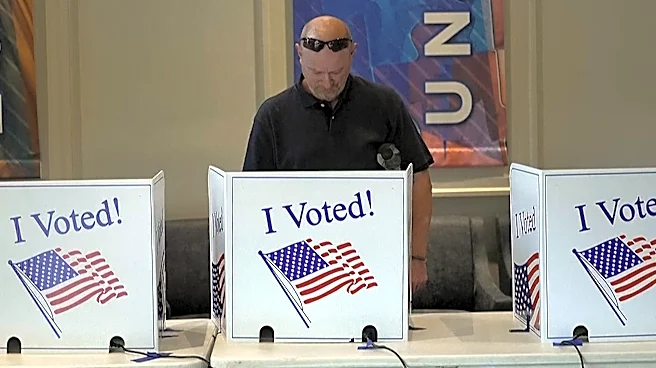
Top Connecticut lawmakers, including House Speaker Matt Ritter and House Republican leader Vincent Candelora, are actively considering a legislative change to move the state's August primary date. This discussion is prompted by consistently low voter
turnout during mid-summer elections. House Speaker Ritter has expressed openness to shifting the primary to either June or September, stating that "August doesn't work" for voter engagement. He anticipates that the legislature will formally discuss this proposal during its 2027 session. Historically, Connecticut's primary date has been a point of contention; it was moved from September to August due to lawmakers' concerns about insufficient time between the primary and the November general election. Earlier resistance to a June primary stemmed from the legislative session's end in early May, which lawmakers felt left inadequate time for campaigning. However, Ritter now believes six weeks would be sufficient. House Republican leader Candelora supports discussing a date change but also advocates for broader electoral reforms, such as implementing "open primaries" to allow unaffiliated voters to participate, and questioning the effectiveness of current early voting periods. Governor Ned Lamont, who has participated in multiple August primaries, has previously voiced his disapproval of the mid-summer timing, suggesting it favors "party-endorsed, insider candidates" and is detrimental to democratic participation.
Why It's Important?
The timing of primary elections significantly influences voter participation and the democratic process. Low turnout in August primaries means that a smaller, potentially less representative, segment of the electorate is responsible for selecting party nominees, which can impact the broader political landscape. Moving the primary date could lead to increased voter engagement, potentially resulting in nominees who better reflect the diverse views of their party's base. This debate highlights the complex interplay between legislative session demands, the practicalities of political campaigning, and the goal of maximizing voter convenience and participation. A shift to June or September would necessitate adjustments in campaign strategies and resource allocation for candidates. Furthermore, the proposal for "open primaries" by Candelora introduces a fundamental question about the inclusivity of party nomination processes, potentially empowering unaffiliated voters who constitute a substantial portion of the electorate. This legislative consideration reflects a broader concern about voter apathy and the health of local democracy, aiming to make elections more accessible and representative for all citizens.
What's Next?
The Connecticut legislature is slated to discuss a bill to change the primary date during its 2027 session. This process will involve extensive debates among lawmakers, likely including public hearings, to evaluate the merits and drawbacks of moving the primary to June or September, and the potential implications for campaigning and voter turnout. The proposal for "open primaries" could also become a central part of this broader discussion, potentially leading to significant reforms in how candidates are nominated within the state. Political parties, advocacy groups, and various stakeholders are expected to actively lobby for their preferred outcomes, considering how any changes to the primary schedule or structure might affect their influence and candidate selection processes. Any legislative changes would require careful planning for implementation, including adjustments to election administration, voter registration deadlines, and campaign finance regulations. The ultimate decision will directly impact future election cycles in Connecticut, potentially reshaping the state's political landscape and the dynamics of primary contests for years to come.
Beyond the Headlines
The persistent issue of low primary turnout in August points to a broader societal trend of declining civic engagement, particularly when electoral events coincide with peak vacation periods. This phenomenon raises questions about the structural barriers to participation in modern democracies. The debate over primary dates and the potential for open primaries delves into fundamental questions of party control versus broader democratic participation. Closed primaries, as currently practiced in Connecticut, empower party loyalists and active members, while open primaries could dilute party influence but significantly increase overall voter involvement by including unaffiliated citizens. Governor Lamont's past observations about August primaries favoring "insider candidates" suggest a systemic issue where the timing inadvertently benefits those with strong party backing and organized ground games, potentially disadvantaging grassroots challengers. This discussion is not unique to Connecticut; many states across the U.S. grapple with optimizing their primary schedules to maximize participation and ensure fair representation, reflecting an ongoing effort to refine electoral systems to better serve the populace.