



What's Happening?
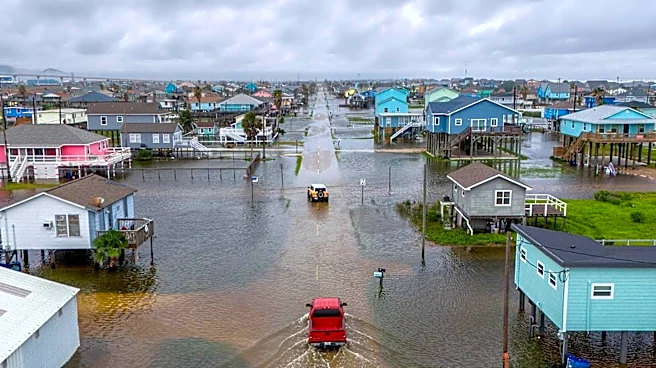
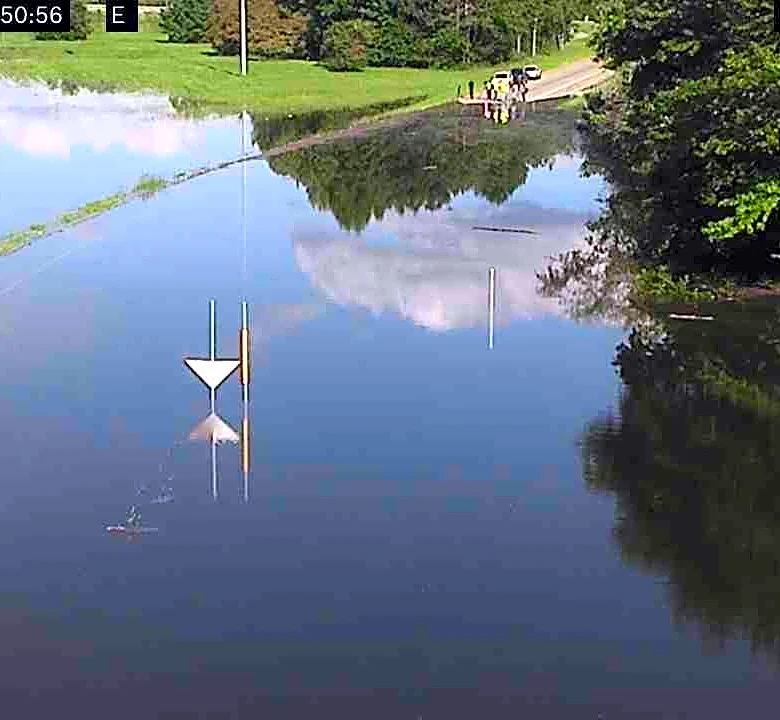
Northwest Florida experienced significant storms late Wednesday afternoon, leading to widespread flooding and property damage. Residents across the region, including Fort Walton Beach, Milton, and Pensacola, reported severe impacts. Heavy flooding made
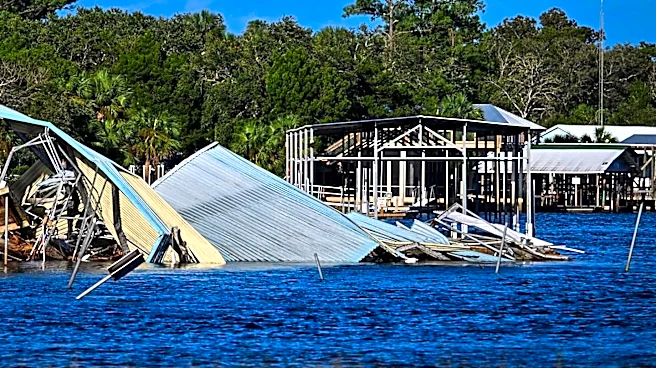
streets impassable for drivers in Fort Walton Beach. In Milton, resident John Sandry captured video footage of flooding off Avalon Boulevard. The storms also caused property damage, with a tree falling on a home in the 6900 block of Burrell Lane in Pensacola, though no injuries were reported. Another incident involved a shed from a neighbor's property being blown into Alex Hunt's yard in Pace, also causing partial damage to his fence. These events highlight the immediate and tangible effects of the severe weather on local communities.
Why It's Important?
The severe storms in Northwest Florida underscore the vulnerability of coastal communities to extreme weather events, which can have significant economic and social repercussions. The widespread flooding disrupts daily life, impacting transportation, local businesses, and emergency services. Property damage, such as fallen trees and displaced structures, leads to substantial financial burdens for homeowners and insurers, potentially increasing insurance premiums in affected areas. Furthermore, repeated incidents of severe weather can deter tourism, a vital industry for many Florida communities, and strain local government resources allocated for disaster response and infrastructure repair. The lack of reported injuries in the Pensacola tree incident is fortunate, but the potential for harm remains a serious concern during such events, emphasizing the importance of robust emergency preparedness and infrastructure resilience.
What's Next?
Following the storms, local authorities and residents in Northwest Florida will likely focus on damage assessment and recovery efforts. This will involve clearing flooded streets, removing debris, and repairing damaged infrastructure and homes. Emergency services will continue to monitor weather patterns for any further threats. Residents will be filing insurance claims for property damage, which could lead to a surge in demand for construction and repair services in the coming weeks. Local governments may also review and update their storm preparedness and response protocols based on the lessons learned from this event. Discussions about long-term solutions for flood mitigation and infrastructure hardening in vulnerable areas are also probable, especially given the increasing frequency and intensity of severe weather events.
Beyond the Headlines
Beyond the immediate damage, these storms highlight broader issues related to climate change and urban development in coastal regions. The increasing intensity of rainfall and storm surges can overwhelm existing drainage systems, leading to more frequent and severe flooding. This necessitates a re-evaluation of urban planning and infrastructure development, pushing for more resilient designs that can withstand extreme weather. There's also a growing conversation around the economic feasibility of rebuilding in high-risk areas versus implementing managed retreat strategies. The psychological toll on residents who repeatedly face such events, coupled with the financial strain, can lead to long-term community impacts. These incidents serve as a stark reminder of the complex interplay between environmental changes, human settlement, and the urgent need for adaptive strategies.