






What's Happening?
The Trump administration has initiated a series of actions aimed at tightening voting rules, particularly targeting mail-in voting, which President Trump claims contributes to election fraud. An executive order issued in March grants the United States
Postal Service new powers to regulate mail-in voting, sparking lawsuits from states and voting rights groups. The Department of Justice has also been involved in seeking voter data from states and investigating alleged voting fraud in swing states. These moves have been criticized as attempts to undermine state control over elections and intimidate voters.
Why It's Important?
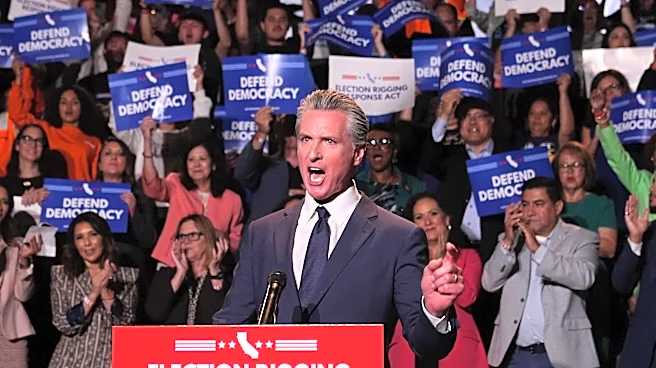
The administration's efforts to alter voting rules have significant implications for the integrity and accessibility of U.S. elections. Critics argue that these actions could disenfranchise voters, particularly in states with large Democratic populations, and undermine public confidence in the electoral process. The legal challenges and public outcry highlight the contentious nature of voting rights in the U.S., with potential consequences for future elections. The administration's focus on election fraud, despite a lack of evidence, raises concerns about the politicization of federal agencies and the potential erosion of democratic norms.
What's Next?
The legal battles over the executive order and other voting restrictions are likely to continue, with courts playing a crucial role in determining the outcome. The administration's actions may also prompt legislative responses at the state and federal levels to protect voting rights. As the midterm elections approach, the issue of voting access and election integrity will remain a focal point of political debate. The outcome of these disputes could shape the future of U.S. election laws and influence voter turnout and engagement.